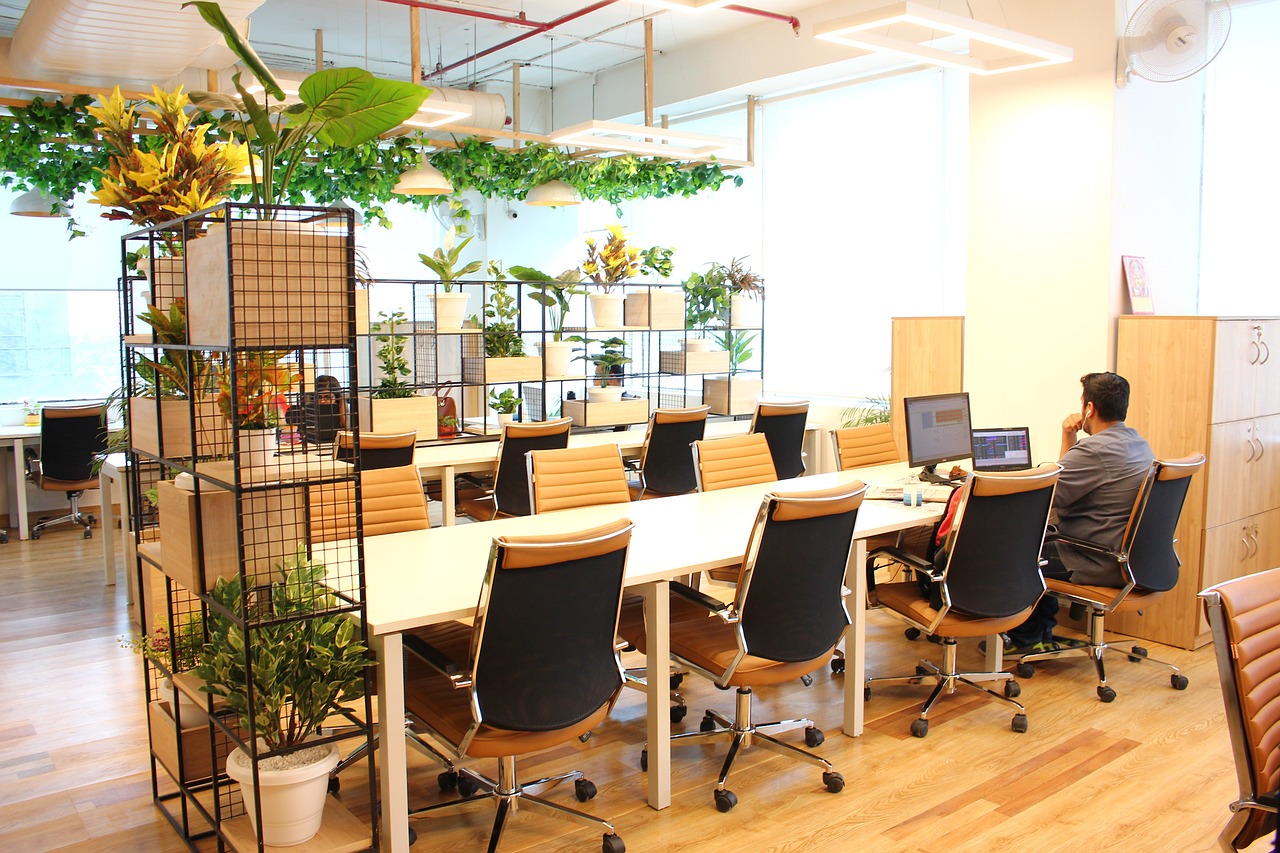
The most common understanding around co-working profitability is: fill desks, cover rent, keep the margin. In reality, the model is operationally unforgiving and more complicated than just the surface level understanding. Small inefficiencies compound quietly and consistently, eroding margins long before they appear on a P&L. Having operated in this space, I’ve seen some common mistakes surface repeatedly, which can be avoided as and when one progresses with the operations and logistics on a daily basis.
Here are five that matter most.
1. Pricing to Win Members Instead of Sustaining the Business
Early-stage operators often price aggressively to build occupancy, assuming rates can be corrected later. But pricing sets culture. First impressions are what sets the tone for your brand and a dynamic change in price later can affect loyalty from the customers. Your earliest members anchor expectations, and upward corrections create friction and churn. Sustainable operators reverse-engineer pricing from their true cost structure — rent, staffing, utilities, technology, reserves — and build margin into the model from day one. Discounts should be strategic and time-bound, not habitual.
2. Treating Every Square Foot the Same
Hot desks, private cabins, and meeting rooms are not interchangeable revenue streams. Each has different cost dynamics and margin potential. When operators blend all square footage into a single occupancy metric, they lose visibility into what is actually working. Mature operators track revenue per square foot by zone. An underperforming meeting room is often a discoverability or packaging issue — not simply a pricing one. Granularity is not complexity; it is discipline.
3. Building for Aesthetics Before Validating Economics
Design matters. But front-loading capital into premium interiors before validating demand creates structural fragility. Heavy capex locks the business into fixed cost pressure, leaving little room for market fluctuations. The more resilient approach is phased investment — launch functional, test price acceptance, then upgrade based on real traction. Good design should support economics, not override them.
4. Treating Churn as a Sales Problem Instead of an Operational Signal
When members leave, the instinct is to push harder on acquisition. But churn is rarely random. If exits consistently occur at predictable intervals, it signals operational friction — service inconsistency, noise levels, maintenance delays, or weak community engagement. Replacing churn without diagnosing it is like refilling a leaking bucket. Sustainable operators treat churn data as a feedback loop, not just a revenue gap.
5. Staffing for the Good Months
Demand in coworking fluctuates. Staffing models built around peak occupancy strain margins during slower cycles. The stronger model is a lean core team supported by efficient systems and flexible capacity. Operational resilience comes from adaptability, not overcommitment.
The Future of Profitable Coworking
As the sector matures, landlords and investors are asking sharper questions around unit economics and operational discipline. Profitability in coworking is rarely accidental. It comes from understanding cost structures deeply, managing space intentionally, and treating operations with the same seriousness as sales.
Authored by;

About Author
The author is the Founder and CEO of Dextrus, a design-led coworking brand redefining how flexible workspaces function and feel in India. A qualified architect by training, Robin combines strong design sensibilities with operational expertise to build work environments that enhance productivity, collaboration, and long-term business performance. With a founder-operator’s perspective, he offers practitioner-led insights into how India’s coworking and flex office sector is evolving—particularly as enterprises embrace hybrid work models, startups prioritize capital efficiency, and occupiers demand greater value, experience, and adaptability from physical workspaces.