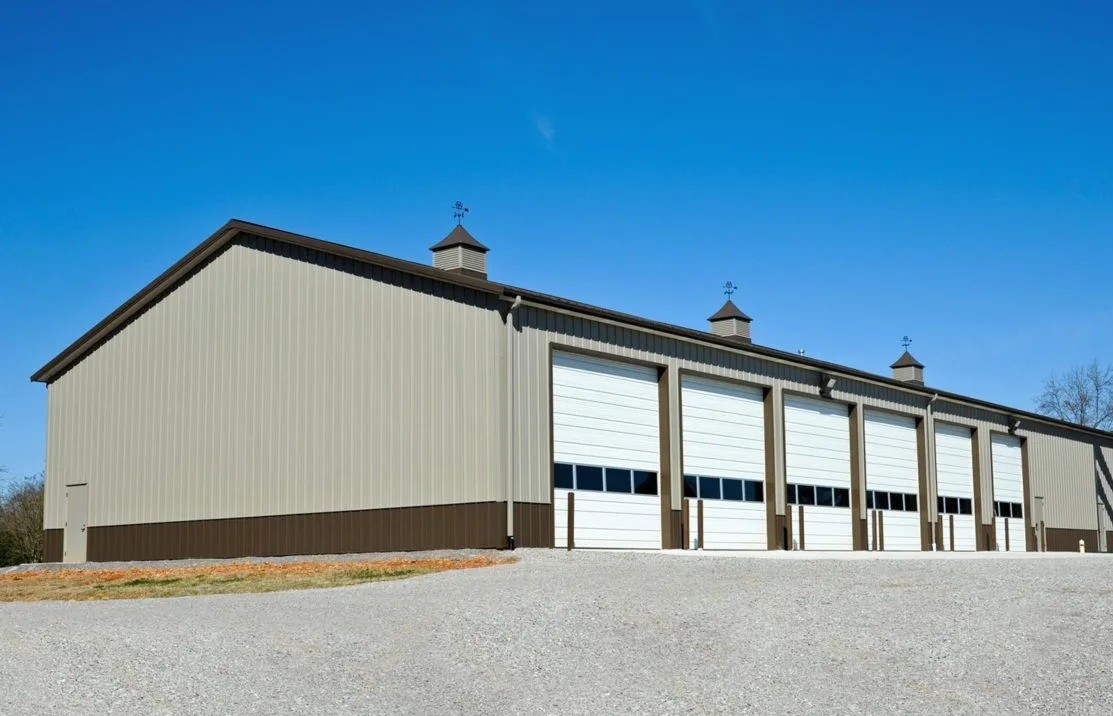
When a commercial steel building is completely installed and functioning, it is easy to imagine that the structure will remain in acceptable operation in many years. Nevertheless, similar to any other important investment, there is a need to carry out regular inspections to maintain safety, durability and efficiency. Steel buildings are said to be very strong, however, they are not immune to environmental pressures, wear and tear due to usage as well as the possibilities of maintenance problems that can emerge over time. Regular inspections are also beneficial in that they allow minor problems to be nipped before developing into major structural or operational problems.
Considerable maintenance of adherence to safety standards and warranty requirements is also achieved through regular inspections by the property owner and facility managers. Several manufacturers and insurers insist on regular reviews of warranties to remain valid and insurance policies to be in good conditions. In addition to compliance, inspections are a source of peace of mind, as it is evident that the building is in good health and that it still performs as intended in different weather and operational conditions.
Preserving Structural Integrity
The main objective of having regular inspections is to safeguard the structural integrity of buildings. As time passes, the slight changes can develop in steel parts due to the changes in temperature, exposure to moisture, and intensive usage. When these changes are not identified, they may end up undermining the strength or alignment of the framework. Periodic checks help to detect the existence of corrosion, loosening bolts, or fatigue in the beams before they become expensive or harmful.
The pre engineered steel buildings have long-term performance, however, they still require good care and attention. Checks could help to ensure that the load-bearing components are tight, the wall panels are not damaged, and no structural slips have taken place because of external forces. This proactive model will make sure that the building remains safe and performs as per the expectations during its lifespan.
Ensuring Long-Term Safety
Frequent checks are important to ensure the safety of all surfaces of a commercial steel construction. Even the smallest problems like a small leak or misplaced panel may pose dangers in the long run unless they are addressed. During the inspections, professionals can assess the safety measures, exits, and the roof strength and determine any possible risk posed by the internal systems including the wiring, HVAC, or plumbing fixtures.
Safety risks are easy to deal with when the inspections are performed regularly and they do not affect the operational processes. The owners of the businesses would have the advantage of understanding that their plant is devoid of risks that could pose harm to the staff, clients, and equipment. Having a safe environment with frequent inspections leads to the improvement of the company reputation as well as adherence to the building code and the provisions of occupational safety.
Reducing Repair and Maintenance Costs
Cost effectiveness is another big benefit of regular building inspections. Reducing the cost of repairing in the long term is possible as the minor problems are detected and addressed at an earlier stage. Steel structures are very robust, however, when they are not maintained the minor issues have the ability to grow into big and costly problems. As an example, one small leak or crack may result in corrosion or damaged insulations when it is not addressed.
Having the inspections performed at a certain period, the owners can be more strategic in planning the maintenance activities and prevent certain unforeseen downtime. Preventive maintenance does not only save money, it also prevents depreciation of original investment. The prefab steel buildings are especially cheap to maintain in case the buildings are checked frequently because most of the problems can be solved in little time and do not need significant rebuilding.
Improving Energy Efficiency and Performance
Frequent checks will lead to continued energy efficiency of a steel building. Heating and cooling systems can have small structural defects, gaps between insulation and leaks in the air which increase consumption of energy. These inefficiencies may be detected during an inspection and rectified before they affect utility costs or comfort to the occupants. A properly maintained building will make the process of insulation, ventilation, and sealing to be functional and efficient in any weather conditions.
The inspections will also be used to verify that the systems installed, e.g., solar panels, lights, and ventilation units, remain efficient. An efficient building saves on the cost of operations and helps in sustainability. The consistent evaluation of these factors contributes to the fact that business organizations can be up-to-date in terms of energy standards and become environmentally responsible.
Extending Building Lifespan
Regular checks increase the life span of the commercial steel structures by making sure that all the parts are in fine condition. Preventive care reduces the level of deterioration and makes the structure resilient to the environmental stressors. With the small flaws fixed early enough, the building still stands firm and beautiful even after several years of use which are much greater than the anticipated life.
The physical inspection of the building as well as protecting the financial investment that was undergone during the construction of the building in itself serves as a way of safeguarding the building as well as protecting the financial investment made during the construction of the building. To businesses that make their day to day activities dependent on their facilities, a longer life span implies that there will be fewer interruptions, less money spent on reconstruction, and that they have a constant space, which still serves their needs well.
Conclusion
It is not only a maintenance procedure but also a serious part of responsible ownership to ensure a regular check-up after installation. They enhance the structural integrity, ensure safety, lower the cost, and increase the building life. In dealing with pre engineered steel buildings or the current prefab steel buildings, regular evaluations assist in maintaining the reliability and performance. With the help of a regular inspection program, business owners will be able to be sure of their investment, high efficiency in operations and long-term benefits of a properly maintained steel building.