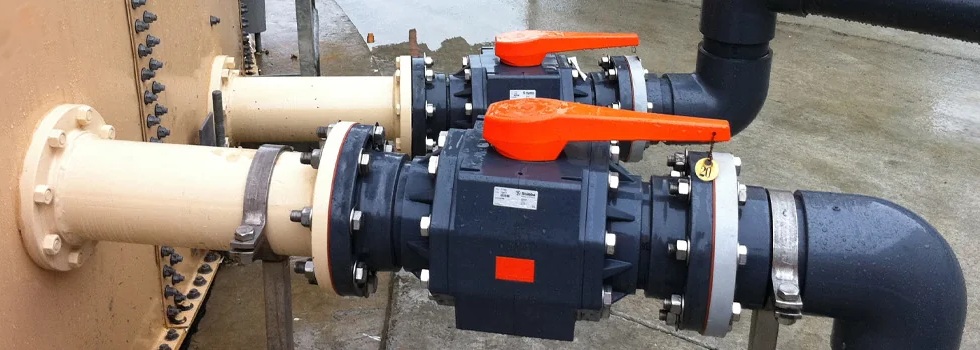
The industrial ball valves play a vital role in most fluid handling and process systems. They are the ones controlling the movement of liquids and gases to ensure that operations proceed well and safely. Although these valves are well built, they are not resistant to wear and corrosion or even to mechanical failures. To ensure their operability and to avoid the possible risks, they should be regularly checked. Proactive maintenance is important in the safety of industrial settings and the inspection of ball valves is a major part of this preventive maintenance strategy.
Industrial ball valves are used to contain the high pressure and corrosive fluids, and hence their functionality is very critical. The failure of these components may lead to leakages, damage of equipment, or even accidents at the workplace. With the introduction of a regular inspection process, firms will be able to identify early signs of wear, corrosion or mechanical breakdowns. Such a proactive measure not only increases the life of the equipment but also reduces the possibility of equipment downtimes and expensive maintenance.
Learning Valve Wear and Corrosion
The industrial ball valves are subjected to diverse high pressure and other demanding environments such as high temperatures, changes in pressure and chemically aggressive fluids. These conditions over time may lead to both internal and external corrosions that can lead to the sealing ability of the valve. Lack of early detection of corrosion may cause leakages, spillage of fluids, and personnel injuries. Valves should be inspected periodically to determine any corrosion which can be rectified before it turns into a major issue.
The efficiency of having the valve may also decrease due to wear on the moving parts including the ball and stem. The valve can become more difficult to act on, or it may not reach a complete seal, which may lead to unwanted flow. These problems can be identified by regular inspections, which will help the maintenance teams to replace the parts that became worn, and make sure that the valves are running smoothly. Ignorance of wear and corrosion might make the maintenance process more expensive and constitute a significant safety issue.
Using the Right Components
Inspection also enables the operators to determine the appropriateness of the certain components like a butterfly valve in particular parts of the system. Some applications might demand substituting or adding ball valves with butterfly valves to enhance control of flows or minimize the maintenance requirements. In the inspection, the evaluation of the state and suitability of these components contributes to the preservation of maximum performance and safety of the system.
Valves should be selected and maintained appropriately to minimize unexpected shutdowns and accidents. The continuous check ups serve to ensure that all components such as ball valves and butterfly valves are in good operation and are appropriate to the operating conditions. Such careful equipment management is conducive to safe, efficient and reliable industrial operations.
Ensuring Proper Operation
Inspection is also necessary to ensure that industrial ball valves have been operated as intended. Partially open or closed valves may impair the flow of fluid leading to pressure disequilibrium or process inefficiencies. In other sectors like chemical processing or oil and gas, even the slightest failure may result in a big safety issue. Technicians can check the working integrity of every valve with the help of in-depth inspections, which will allow keeping the system safe and efficient.
When the inspections are conducted, the testing of the valves also enables the operators to ensure that the parts are properly positioned. Valves that are misaligned or partly blocked may cause unwanted pressure burst or fluid bypass that may destroy other equipment in the system. Inspection of these problems and correcting them can ensure the reliability of the entire system and minimize the possibility of accidents. One of the fundamentals of safe industrial practices is to ensure that the ball valves are functioning properly.
Identification of Leaks and Pressure
Leakages in the industrial systems may be very detrimental as they may result in the loss of fluids as well as dangerous spillages. Periodic checking of ball valves is one of the measures that allow preventing accidents and contamination of the environment by early identification of leaks. Even the small leaks will signify more severe issues like damaged seals or misaligned parts. Timely resolution of the matters will save time, finances and possible regulatory fines.
Besides the leakage, inspection assists in revealing the problems of pressure. Malfunctioning valves may lead to pressure accumulations that may put pipes and fittings under excessive strains, exceeding their design pressure limits. In the long run, this may lead to disaster failures. Examining the industrial ball valves on a regular basis can help the operator to maintain the pressure levels that are within safe operating limits which keep the system intact as well as the safety of the personnel.
Adherence to Safety Standards
The use of industrial equipment has stringent safety and regulation measures applicable to most industries. One of the major aspects of the compliance with these requirements is the inspection of ball valves. Written inspection processes show that an organization is in the process of overseeing the safety and dependability of its systems. Facilities can also be prepared in terms of the audit and certifications through regular inspections as the facilities demonstrate that preventative maintenance is implemented.
Failure to conduct inspections may cause breach of safety provisions subject to fines or even legal charges or even closure of operations. The necessity to make sure that industrial ball valves and similar equipment are checked as per recommended frequencies shows the willingness to ensure safety and compliance with the regulations. Introduction of a well-organized inspection process enhances the overall functioning efficiency and reduces the resolutions of risks.
Conclusion
Industrial ball valves require regular inspection to keep the industrial activities safe, reliable and efficient. Early detection of wear and corrosion, leaks and other operational problems would enable companies to avoid accidents, reduce downtime, and extend the life of equipment. The compliance level with the regulatory standards and the opportunity to evaluate all the valve parts including butterfly ones in case they are used are also inspected. The implementation of regular inspection schedules is an effective way to ensure the safety of personnel, equipment, and business continuity, and thus safety is a feasible and long-lasting concern.