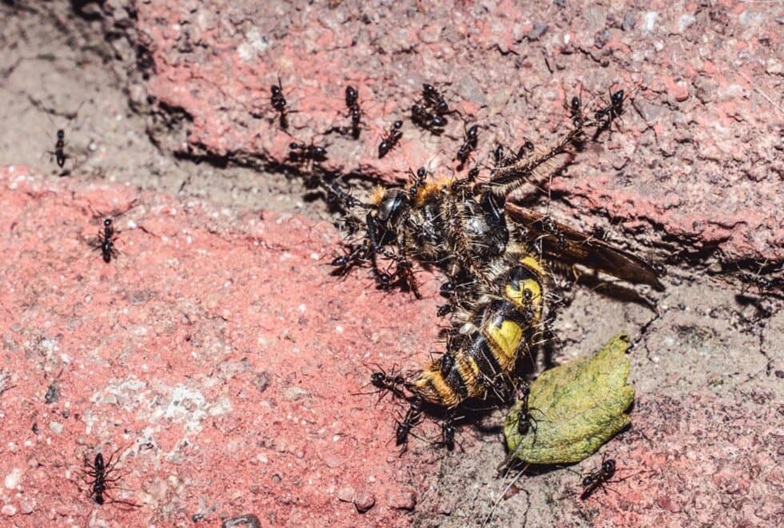
When most people think about pest problems in a home, they focus on the inside: termites eating away at the wood, rodents scurrying through the attic, or even ants marching across the kitchen counter. But pest issues often start outside, and they can spread into the house before you even realize it.
The yard, fence, and decking around your property might seem like safe zones, but these outdoor spaces can harbor serious pest risks. For homeowners, understanding where to look and what to check for is the first step toward preventing costly pest damage.
If you’re in Melbourne, or anywhere else, don’t underestimate the importance of inspecting the perimeter of your property when it comes to pest control. Here’s what to keep an eye out for when it comes to outdoor pests.
1. Termites: The Silent Destroyers
Termites are arguably the most feared pests when it comes to homes, and they often make their first appearance outdoors. These wood-eating insects thrive in damp, shaded areas, so it’s no surprise that yards, fences, and decking are prime spots for them to settle.
While termites can be tricky to detect because they often tunnel inside wood, they leave signs that any vigilant homeowner can spot. Look for soft spots on wooden fences or decks. Tap the wood with a tool—if it sounds hollow, termites might be inside. You may also notice mud tubes along the wood, which termites use to travel between their nests and the wood they’re eating.
The best way to catch a termite problem early is to invest in a Melbourne Building and Pest Inspection. These inspections can identify termite activity and help you take action before the damage becomes severe.
2. Ants: More Than Just an Annoyance
Ants are often seen as a minor nuisance, but some species can cause significant damage if left unchecked. Carpenter ants, in particular, are notorious for burrowing into wood to create nests. They may not eat the wood like termites, but they will weaken its structure over time.
If you notice ant trails leading to wooden fences, posts, or decking, it could be a sign that they’ve set up camp nearby. The presence of larger-than-usual ants or sawdust around the base of wood structures is another red flag that carpenter ants are at work.
Preventing ant infestations outside starts with keeping the yard clean. Trim back any tree branches or vegetation that touch wooden structures and clear away any piles of wood or debris that could act as a nest.
3. Rodents: Not Just an Indoor Problem
While it’s common to find rodents inside the house, outdoor areas can also be prime breeding grounds for rats and mice. These pests tend to look for shelter, and your yard can offer plenty of hiding spots in the form of sheds, piles of leaves, or even under the decking.
Rodents are notorious for chewing through insulation, wiring, and even wood. They are particularly drawn to areas that offer easy access to shelter and food. Look for droppings around the yard, chew marks on the base of the fence, or burrows near the foundation of your house.
If you have a vegetable garden, be aware that rodents are attracted to fruits, vegetables, and even seeds. Keeping the area clean and sealing any potential entry points into your home is key to preventing an outdoor rodent problem from becoming an indoor nightmare.
4. Fleas and Ticks: Outdoor Health Hazards
Fleas and ticks are more than just annoying—they pose serious health risks to both pets and humans. These pests thrive in grassy or wooded areas, so they’re often found in yards, especially if you have pets that roam outside.
Ticks, in particular, can transmit diseases like Lyme disease, and fleas can cause allergic reactions in pets. If you notice your pets scratching more than usual or finding ticks on them after they’ve been outside, it’s time to inspect the yard thoroughly.
To reduce the risk of fleas and ticks, keep grass and vegetation trimmed and clear away any piles of leaves or wood where these pests might hide. Using pest treatments on your pets, as well as in the yard, can also help keep these pests at bay.
5. Weeds and Debris: Unlikely Pest Hiding Spots
Weeds, leaves, and general yard debris aren’t just an eyesore—they’re also the perfect hiding places for pests. Piles of leaves, overgrown shrubs, and neglected corners of the yard can create shelters for all kinds of unwanted critters, including spiders, snakes, and even small mammals.
Keeping your yard well-maintained doesn’t just make it look better—it’s also an effective way to prevent pests from taking over. Regularly rake leaves, trim bushes and trees, and clear away any debris that could provide shelter.
Additionally, make sure to keep wood piles elevated off the ground. Wet wood is a magnet for termites and other pests, so storing firewood away from your house and keeping it dry can go a long way in preventing infestations.
6. Fences: Potential Pest Highways
Wooden fences are a common site for pest activity, especially in areas where termites are a problem. If your fence is touching the ground or has gaps where pests can enter, it could serve as a highway for insects or rodents heading toward your home.
Look for signs of pest activity around the base of the fence, such as mud tubes, droppings, or burrows. You should also inspect the fence posts, as these are vulnerable spots for termites and ants.
If your fence is older, it might also be more susceptible to damage from pests. Replacing damaged or rotting fence boards can help deter pests from making a home in your yard and getting too close to your house.
7. Decking: A Breeding Ground for Moisture and Pests
Decking is often overlooked when it comes to outdoor pest control, but it can be one of the most problematic areas of the yard. Moisture can get trapped under the deck, creating a perfect breeding ground for termites, ants, and other pests. The gaps between deck boards can also become filled with debris, providing a hiding spot for pests.
Check for any signs of rot or damage on the deck, especially around the beams and posts that are in contact with the ground. If your decking is built near trees or shrubbery, it’s essential to trim back the vegetation to prevent pests from accessing the wood.
To prevent moisture buildup, ensure that the deck is properly ventilated, and check for any leaks from sprinklers or downspouts that may be affecting the area beneath the decking.
Final Thoughts: Preventing Pests Before They Enter Your Home
When it comes to pest control, prevention is key. By regularly inspecting your yard, fence, and decking for potential problems, you can catch issues early before they escalate into costly damage. Don’t wait for the signs of pest activity to appear inside your home—take action outside to protect your investment and keep your property pest-free.
If you suspect a more significant problem or need a thorough check, a Melbourne Building and Pest Inspection can provide a comprehensive assessment of your property, identifying any hidden risks before they become a major issue. Whether you’re a homeowner or a buyer, understanding the potential pest risks outside the house is an essential part of maintaining a safe, healthy home.