Did you know that the electrical compliance and certification market is projected to reach $5.4 billion by 2033? This shows the growing need for safe and compliant electrical systems.
Safety and efficiency are essential in industrial construction. Proper electrical regulations help prevent serious hazards. These rules protect workers and keep equipment running smoothly.
In this article, you will learn why electrical codes matter in industrial projects. The information will cover safety rules and compliance needs. Read on to help you understand what keeps job sites safe.
The Importance of Electrical Regulations
Electrical regulations create a strong framework for safety. They guide proper installation and maintenance in industrial settings. These rules support efficient operations every day.
Local agencies establish standards for each region. These rules ensure proper electrical design and performance. They protect workers and valuable equipment from harm.
Non-compliance can lead to serious accidents. Electrical fires or shocks can cause major injuries. Violations also result in costly financial penalties.
Key Components of Electrical Regulations
Understanding key electrical rules supports safe industrial projects. It also helps managers and contractors stay compliant. Here are some significant aspects:
Wiring Methods
Regulations specify which wiring materials are allowed. These rules ensure safe power distribution in industrial spaces. Proper choices help prevent electrical failures.
Installation techniques must follow safety guidelines. Correct methods reduce the risk of short circuits. They also lower the chance of fires on the job site.
Protective Devices
Protective devices are essential in industrial electrical systems. They help manage power safely at all times. These tools reduce the chance of dangerous faults.
Circuit breakers and fuses prevent overloads. They stop excessive current from damaging equipment. Their proper use keeps workers safe from electrical hazards.
Grounding Requirements
Grounding systems keep electrical energy under control. They provide a safe path for excess electricity. This reduces the risk of dangerous shocks.
Proper grounding prevents damage to equipment. It helps maintain a stable and safe work environment. Following the grounding rules protects everyone on site.
Phase and Load Balancing
Proper load distribution keeps electrical systems balanced. It helps prevent overheating during operation. This support extends the lifespan of equipment.
Careful planning ensures each circuit handles the right amount of power. Overloaded circuits can cause failures and safety risks. Following load rules keeps industrial sites running smoothly.
Compliance and Inspection Processes
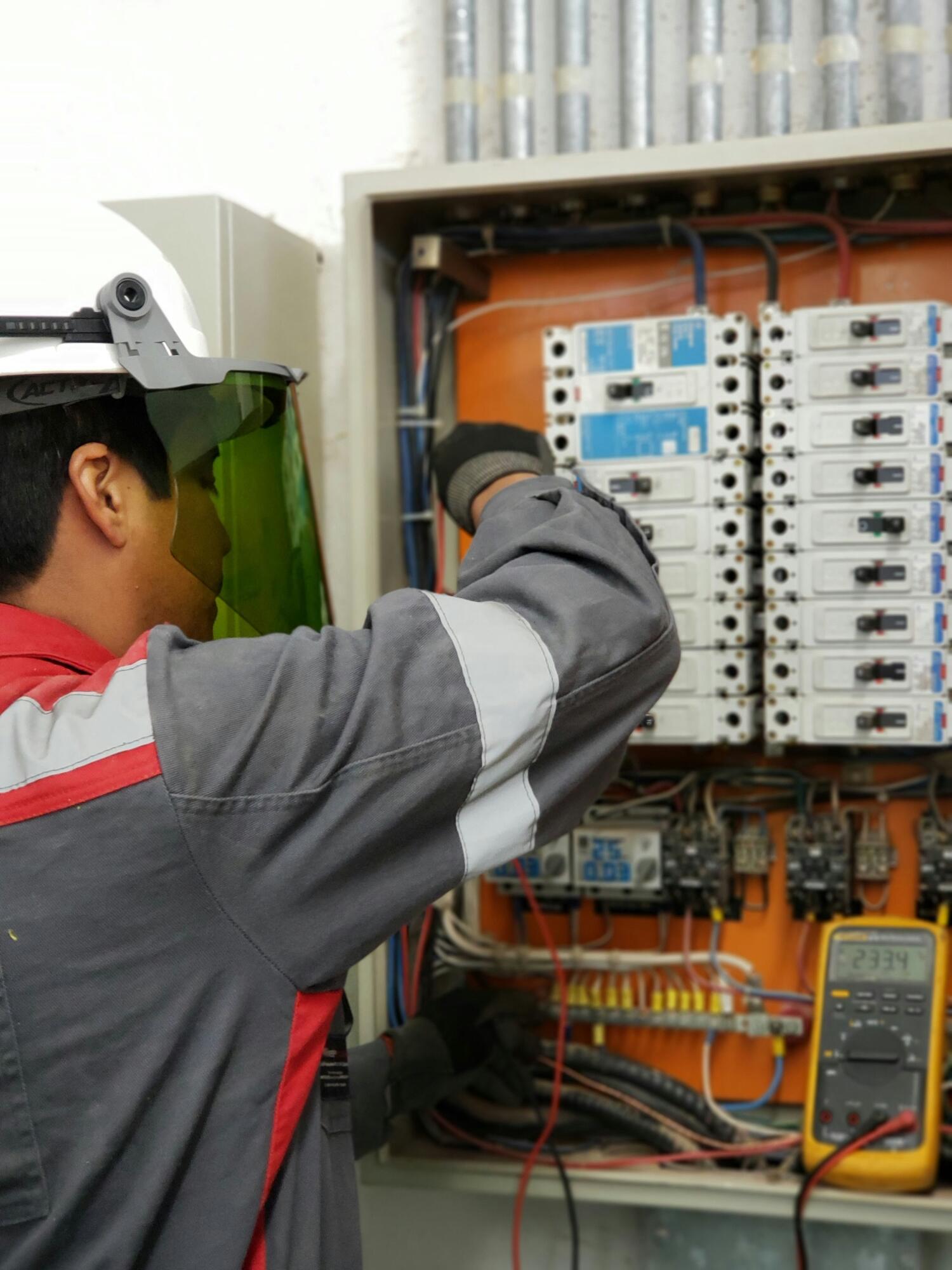
Compliance requires regular inspections and proper maintenance. Electrical reviews are important in every industrial construction project. Certified professionals should always lead these checks.
Inspectors confirm that installations meet all required codes. They also review equipment to ensure it is safe to use. Their work helps prevent major electrical failures.
Inspections can detect risks early. Timely repairs keep projects safe and compliant. Hiring commercial electrical services supports strong safety standards.
The Path to Electrical Safety and Efficiency
Understanding electrical regulations keeps workplaces safe. Compliance helps prevent hazardous incidents. Strong safety practices protect both people and equipment.
Training ensures workers know the correct procedures. Knowledge supports efficient and reliable operations. Protect your team by staying current with every rule.
If you enjoyed this article, explore our other articles to expand your knowledge.