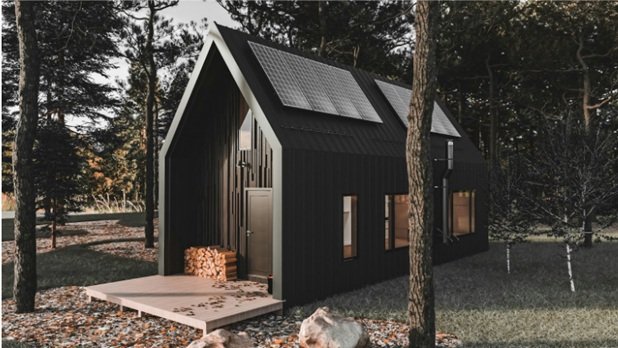
The tiny house movement has evolved from a fringe lifestyle choice to a mainstream housing alternative, addressing affordability and sustainability concerns.
Living in compact spaces under 400 square feet challenges conventional assumptions about necessary living space while offering financial and lifestyle benefits. Understanding how to maximize limited space and minimize costs makes tiny house living practical and enjoyable.
The Appeal of Tiny House Living
Housing costs consume disproportionate percentages of household income, leaving little for savings, experiences, or financial security. Tiny houses dramatically reduce both initial purchase prices and ongoing expenses, freeing financial resources. This liberation from housing burden represents the primary attraction drawing people to compact living.
Environmental consciousness motivates many tiny house enthusiasts seeking to minimize their ecological footprints. Smaller spaces require less energy for heating and cooling, fewer construction materials, and reduced consumption overall. Living lightly on the earth becomes achievable through intentional downsizing.
Freedom and flexibility accompany tiny house ownership in ways traditional homeownership cannot match. Lower costs mean reduced work obligations, more travel opportunities, and lifestyle choices prioritizing experiences over possessions. This autonomy appeals particularly to those rejecting conventional consumer-driven lifestyles.
Understanding Tiny House Economics

Modern tiny houses typically cost between $50,000 and $150,000, depending on size, quality, and customization levels.
This represents a fraction of traditional home prices while delivering complete, functional living spaces. Many buyers purchase tiny houses outright, avoiding decades of mortgage obligations.
Building costs for DIY tiny houses can drop to $20,000-$40,000 for those willing to invest time and labor.
Quality materials, efficient designs, and careful planning allow budget-conscious builders to create comfortable homes affordably. Sweat equity transforms into housing security without crushing debt.
Ongoing expenses decrease dramatically compared to conventional housing. Utility bills for heating, cooling, and electricity often total under $50 monthly in well-designed tiny houses. Property taxes, insurance, and maintenance costs all scale proportionally with reduced square footage.
Hidden savings emerge through reduced consumption and simplified lifestyles. Less space means fewer possessions, less cleaning, and diminished temptation toward unnecessary purchases. These indirect financial benefits compound over the years, building wealth through controlled spending.
Space Maximization Strategies

Vertical space utilization doubles or triples usable area in tiny houses with proper design. Loft sleeping areas, high storage cabinets, and tall shelving exploit volume rather than just floor area. Thinking three-dimensionally transforms cramped spaces into surprisingly functional environments.
Multi-functional furniture serves multiple purposes, eliminating redundancy in compact interiors. Dining tables that fold into walls, beds with storage drawers beneath, and ottomans containing hidden compartments maximize utility. Each item earning its place through multiple functions prevents clutter accumulation.
Built-in furniture and storage solutions utilize every inch efficiently without wasting space. Custom cabinetry fits awkward corners and under-stair areas that standard furniture cannot address. Integrated solutions create seamless appearances while maximizing functional capacity.
Murphy beds, fold-down desks, and convertible spaces allow rooms to serve different purposes throughout the day. Living areas transform into bedrooms at night, then back to social spaces each morning. This temporal flexibility multiplies effective square footage through adaptive use.
Kitchen Design Excellence

Compact kitchens require thoughtful organization to remain functional despite limited counter and storage space. Vertical pot racks, magnetic knife strips, and wall-mounted spice storage keep essentials accessible without consuming precious counter area. Every item needs a designated place, preventing clutter buildup.
Apartment-sized appliances deliver full functionality while fitting tiny house proportions appropriately. Smaller refrigerators, two-burner cooktops, and combination microwave-convection ovens meet cooking needs efficiently. Right-sized appliances prevent wasting space on excess capacity rarely used.
Pull-out cutting boards, fold-down countertop extensions, and nesting mixing bowls expand work surfaces when needed. Flexible elements adapt to task requirements without permanently consuming limited space. Strategic expandability maintains functionality while preserving openness.
Open shelving instead of upper cabinets creates visual spaciousness while providing necessary storage. Displaying attractive dishes and glassware turns functional storage into decorative elements. This approach works when a disciplined organization prevents shelves from becoming cluttered eyesores.
Bathroom Efficiency
Wet baths combining shower and toilet areas in waterproof rooms maximize efficiency in minimal square footage. European-style designs prove compact bathrooms needn’t sacrifice functionality. Proper ventilation and drainage make these consolidated spaces practical and pleasant.
Composting toilets eliminate plumbing complexity and water consumption while functioning perfectly in tiny houses. Modern units produce no odors and require minimal maintenance beyond occasional emptying. These systems particularly suit off-grid or mobile tiny houses.
Corner sinks, wall-mounted toilets, and narrow shower stalls fit full bathroom functionality into remarkably small footprints. Creative fixture selection and placement prevent bathrooms from feeling claustrophobic despite compact dimensions. Quality fixtures in small sizes perform as well as full-sized alternatives.
Storage solutions, including recessed medicine cabinets, over-toilet shelving, and under-sink organizers, maximize bathroom storage capacity. Bathrooms generate surprising amounts of necessary items that require organized storage. Thoughtful planning prevents bathroom clutter from overwhelming tiny spaces.
Bedroom and Sleeping Solutions
Loft bedrooms accessed by ladder or stairs utilize otherwise wasted ceiling height for primary sleeping areas. This classic tiny house design element frees the main floor space for living functions. Adequate loft headroom and ventilation ensure comfortable sleeping despite compact dimensions.
Murphy beds disappear into walls during daytime hours, transforming bedrooms into multi-purpose spaces. This flexibility proves particularly valuable in tiny houses where every square foot must justify its existence. Quality hardware ensures easy operation and long-term reliability.
Storage beds with drawers or hydraulic lift mechanisms provide substantial storage beneath sleeping surfaces. Beds occupy a significant floor area that can simultaneously serve storage functions. This dual-purpose approach prevents wasting valuable space.
Sleeping lofts above living areas or kitchens create dedicated sleeping zones without separate rooms. Partial-height walls or curtains provide privacy while maintaining open sightlines and airflow. These semi-private arrangements work well for individuals or couples.
Living Area Optimization

Open floor plans eliminate unnecessary walls, creating spacious feelings despite compact square footage. Visual continuity across the entire main floor makes tiny houses feel substantially larger than their actual dimensions. Strategic furniture placement defines zones without physical barriers.
Large windows maximize natural light and create connections to outdoor spaces. Visual extension beyond physical walls psychologically expands interior volumes. Quality windows serve as artwork, providing ever-changing views.
Minimalist decor prevents visual clutter that makes small spaces feel cramped. Carefully curated possessions displayed intentionally create calm, organized environments. Every decorative item should earn its place through beauty or meaning.
Neutral color palettes with strategic accent colors create harmonious, spacious atmospheres. Light colors reflect illumination, brightening interiors and enhancing openness. Dark accent walls can add depth when used judiciously.
Storage Innovation
Creative storage utilizes every available space, including stair risers, under-furniture areas, and wall cavities. Building storage into structural elements maximizes capacity without adding bulk. These integrated solutions maintain clean aesthetics while providing surprising capacity.
Seasonal rotation of clothing and possessions keeps only currently relevant items in active storage. Off-season items move to external storage, vehicles, or friends’ spaces temporarily. This rotation prevents overcrowding while maintaining access to full wardrobes.
Digital solutions reduce physical media collections that once consumed substantial storage space. Books, music, movies, and documents exist electronically without physical storage requirements. This dematerialization particularly suits tiny house living constraints.
Outdoor storage sheds or deck boxes supplement interior capacity for items used infrequently. Tools, seasonal equipment, and recreational gear are stored externally without cluttering living spaces. Weather-resistant exterior storage extends effective capacity significantly.
Cost Control Strategies
DIY construction reduces labor costs dramatically for skilled or determined builders. Numerous resources, including books, online tutorials, and workshops, teach necessary skills. Sweat equity investment creates custom homes at material-only costs.
Salvaged and reclaimed materials provide character while reducing expenses substantially. Architectural salvage yards offer windows, doors, fixtures, and lumber at fractions of new prices. Creative reuse adds a unique charm impossible with standard building materials.
Simple designs without complex roof lines, custom features, or elaborate finishes cost less while remaining attractive and functional. Straightforward construction approaches suit DIY builders while reducing professional labor requirements. Beauty emerges through proportion and material quality rather than complexity.
Phased completion allows occupancy while finishing continues gradually as budgets permit. Core systems, including structure, insulation, plumbing, and electrical, establish livability. Interior finishes, landscaping, and upgrades proceed incrementally as finances allow.
Challenges and Solutions
Zoning regulations in many jurisdictions restrict or prohibit tiny houses as permanent residences. Research local ordinances thoroughly before purchasing land or commencing construction. Some areas now create tiny house-friendly zones, recognizing their housing value.
Social perception challenges arise when family and friends question tiny house choices. Confidence in lifestyle decisions and willingness to educate others help navigate skepticism. Inviting doubters to visit often converts skeptics into supporters.
Relationship dynamics in tiny spaces require excellent communication and respect for personal space needs. Couples must negotiate household systems, storage allocation, and alone time intentionally. Successful tiny house relationships thrive through deliberate compatibility building.
Weather extremes test tiny house climate control systems and occupant tolerance. Quality insulation, efficient heating and cooling, and appropriate climate-zone construction techniques ensure year-round comfort. Proper design makes tiny houses comfortable anywhere.
Conclusion
Tiny house living offers genuine alternatives to conventional housing through dramatic cost reduction and simplified lifestyles. Maximizing limited space through clever design and minimizing expenses through intentional choices creates sustainable, satisfying living arrangements. This lifestyle suits those prioritizing financial freedom, environmental responsibility, and experiences over material accumulation.
Success in tiny houses requires embracing minimalism, creative problem-solving, and intentional living. The constraints become catalysts for innovation, forcing residents to question assumptions about necessary possessions and space.
For those ready to challenge conventional housing norms, tiny houses provide pathways to financial security and lifestyle freedom that traditional homeownership increasingly cannot deliver in modern housing markets.