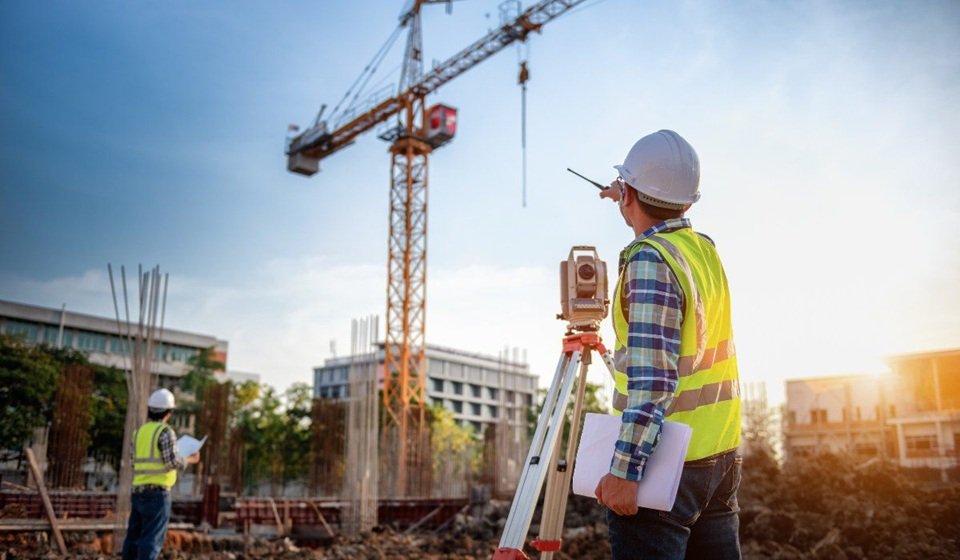
Buying or selling an under-construction building often feels like purchasing time itself. The finished property exists on paper, the schedule can move, and the contract language often favors the developer. That reality does not make the deal risky by default. It raises the bar for preparation. Strong due diligence, clear documentation, and firm risk planning matter more here than in a standard resale.
Many buyers see value in new construction for clean layouts, reduced short-term maintenance, and modern systems. Sellers see opportunity in price growth during the build phase and steady demand for newly completed properties. We’ve consulted reputable Kansas City home buyers who approach these deals like structured transactions, not verbal assurances. Success comes down to precision. Timelines, deposits, specifications, approved changes, and a full paper trail shape outcomes more than optimism ever will.
Know What You Are Actually Buying or Selling
Start by defining the product in writing. “Two-bedroom unit” is not a product description. A real description ties to plans, elevations, finish schedules, appliance packages, parking rights, storage, and any common-area features that affect value. If the contract references exhibits, get every exhibit and keep stamped copies.
Pay close attention to “allowances” and “or equal” language. Allowances can sound generous and still cover entry-level finishes once the design center prices hit. “Or equal” can let a developer swap materials while staying within a broad spec. Ask for brand, model, size, and installation method where it matters, such as windows, HVAC, flooring, cabinetry, and waterproofing.
For sellers, market clarity lowers friction. Provide a clean packet: reservation docs, purchase agreement, addenda, build updates, change orders, receipts, and current construction status. Buyers pay more confidently when they can verify selections and timeline.
Vet the Developer, Builder, and Project Health
A glossy brochure does not show financial strength. Look for a track record of delivering similar projects on time and at the promised quality level. Ask for addresses of completed builds, then check reviews and local permit history. If the project has an HOA or condo association planned, request the draft budget and rules early.
Confirm the project’s financing structure. Some developments rely on pre-sales to release construction funding. Others carry construction loans with milestones and inspections. A buyer should ask: What percentage is sold? How far along is the lender draw schedule? How does the developer handle cost spikes? A seller should be ready to answer these questions during resale marketing.
Verify permits and approvals. Many delays trace back to inspections, utility sign-offs, environmental conditions, or design revisions required by the city. Ask for the current permit status and the expected certificate of occupancy timeline. Treat “estimated” dates as placeholders until the paperwork supports them.
Treat the Contract Like a Construction Agreement, Not a Standard Purchase
Under-construction contracts often limit buyer remedies, expand developer rights, and add strict notice rules. Read the default, delay, and termination sections with extra care. Look for clauses that allow extensions for supply chain issues, labor shortages, weather, or “events beyond control.” These provisions can stretch the closing by months.
Pay attention to how deposits are held. A strong setup uses an escrow account with clear release conditions. Some contracts allow the developer to access funds during construction, which raises risk if the project stalls. Confirm deposit milestones, refund triggers, and what happens if the lender or city blocks completion.
Lock down change order rules. Ask how pricing works, who approves changes, and how long changes extend the schedule. Then budget for them. Buyers often spend more than planned once they see upgrade menus. Sellers should disclose all changes clearly and keep proof, since missing documentation can derail a resale later.
Plan Financing and Cash Flow Early, Then Recheck Often
Financing for a home that will close months later has moving parts. A buyer should talk to a lender early, then schedule check-ins during construction. Rates, underwriting rules, and income documentation can shift. Some lenders offer extended rate locks, often for a fee, with float-down terms in certain cases. Read those terms closely.
Understand the difference between a construction loan, a construction-to-permanent loan, and a standard mortgage at completion. In many condo and developer-build situations, the buyer closes with a standard mortgage after the building receives occupancy approval. In custom builds or major renovations, the loan structure may fund work in draws and convert later.
Sellers face a different cash-flow question: timing. If you sell your contract position (an assignment) or sell after completion, your costs change. You may pay holding costs, upgrade costs, and transaction fees for longer than expected. Build a buffer for delays, and plan for appraisal risk if the market cools before closing.
Protect Yourself With Inspections, Warranty Strategy, and Insurance
New construction can hide defects behind fresh paint. A buyer should schedule inspections at the right stages when possible: pre-drywall, pre-close, and after move-in. A pre-drywall inspection can catch framing, wiring, plumbing runs, and flashing problems while they remain visible. A pre-close inspection focuses on function and finish. A post-close inspection helps document issues before warranty deadlines.
Treat warranties as a calendar, not a comfort blanket. Builder warranties often include short windows for cosmetic items and longer windows for structural coverage. Track deadlines, submit requests in writing, and keep photos. If the project uses third-party warranty coverage, request the warranty booklet and claim process upfront.
Insurance needs attention on both sides. Buyers should confirm when coverage begins and what the HOA master policy covers for condos. Sellers should confirm coverage for an unoccupied or partially finished property if they hold title during work. Construction sites attract risks: theft, water damage, and accidental fires. Make sure the policy matches the stage of the build.
Selling Under-Construction: Assignment Rules, Disclosures, Taxes, and Timing
Selling before completion can mean an assignment sale, a contract resale, or a full property sale, depending on how the original deal is structured and local rules. Many developer contracts restrict assignments or require written approval, fees, and buyer qualifications. Some developers ban public marketing before a certain milestone. Read your agreement first, then plan your sale strategy around it.
Disclose construction status with precision. Provide a timeline of progress, a list of selections and upgrades, and any known changes to the plan, such as revised completion dates or substituted materials. If you received notices about delays, scope changes, or HOA updates, share them. Surprises kill deals fast in under-construction transactions.
Finally, map out the money side early. Assignment profits can trigger different tax treatment than a traditional sale, and closing costs can change based on structure. Talk to a tax professional who handles real estate transactions in your state, and keep a clean ledger of deposits, upgrade payments, and any fees you paid to the developer. When you price the deal, account for buyer concerns like appraisal gaps, remaining build risk, and the time value of money. A realistic price and a strong document packet can beat a higher number with shaky paperwork.