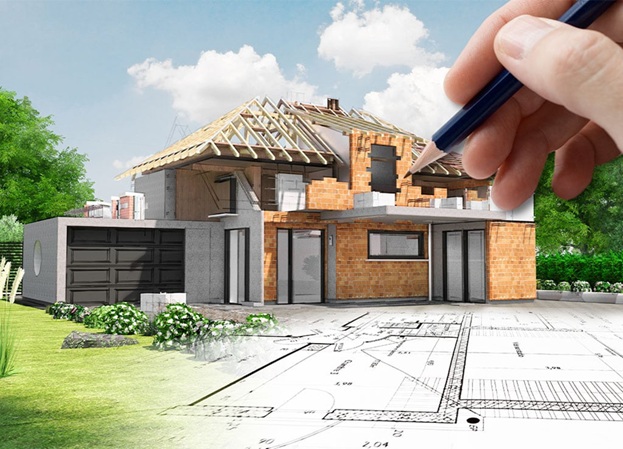
Planning a home extension is one of the most exciting yet complex projects a homeowner can take on. A well-designed extension can transform your property, add valuable living space, and increase the overall value of your home. However, it requires careful planning, expert advice, and a clear understanding of the process from start to finish.
If you’re considering expanding your property, consulting with experienced building extension specialists in Melbourne is one of the best steps you can take. They can guide you through the intricate process, ensuring your vision is realised while complying with all legal and structural requirements.
In this comprehensive guide, we’ll walk you through everything you need to know when planning a home extension — from design and budget to permits and construction.
Why Consider a Home Extension?
A home extension allows you to make the most of your current property without the stress of moving. Common reasons homeowners choose to extend include:
- Additional living space – Whether it’s a new bedroom, a family room, or a home office.
- Increasing property value – Extensions often provide an excellent return on investment.
- Modernising the home – Bringing in more natural light, creating open-plan living, or updating outdated spaces.
- Accommodating family needs – Growing families often require more room without wanting to leave their neighbourhood.
Types of Home Extensions
Before starting, it’s essential to understand the different types of extensions available and which will suit your property best.
Single-Storey Extensions
Ideal for expanding kitchens, living areas, or creating open-plan spaces. They are cost-effective and can dramatically improve your home’s layout.
Double-Storey Extensions
Perfect for adding multiple rooms, such as extra bedrooms upstairs and living areas downstairs. These maximise space but require a larger investment.
Rear Extensions
Extend your home into your backyard, often creating larger kitchen-dining spaces or open-plan living.
Side Extensions
Best suited for homes with unused side land. These are common in suburban properties with wide blocks.
Wrap-Around Extensions
A combination of rear and side extensions that create substantial new space. Excellent for redesigning your home flow.
Second-Storey Additions
Building upward is ideal if you lack backyard space. This option provides more rooms without losing outdoor living areas.
Planning Your Home Extension
Define Your Goals
Be clear on why you want an extension. Is it for more space, improved design, or increased property value? Defining your purpose will help guide design and budget decisions.
Set a Realistic Budget
Costs vary greatly depending on the size, style, and finishes. A general guideline in Australia ranges between $2,000–$4,000 per square metre. Always factor in:
- Building materials
- Labour and trades
- Permits and approvals
- Architectural and engineering fees
- Unexpected contingencies (10–15% extra)
Check Zoning and Building Regulations
Local councils in Melbourne and across Australia enforce strict planning regulations. You may need planning permission depending on the extension type, property size, and heritage overlays.
Work with Professionals
Hiring an architect or draftsperson ensures your design is practical and visually appealing. Engaging with experienced builders is critical for turning your plans into reality.
The Importance of Building Permits
No matter the size of your extension, obtaining the right building permits is non-negotiable. Building permits ensure:
- Your project complies with the Building Code of Australia (BCA).
- Structural safety is maintained.
- Fire, health, and safety regulations are met.
Skipping this step can result in costly fines, delays, and even orders to demolish unapproved work.
Design Considerations for Home Extensions
When planning your design, keep these critical elements in mind:
- Natural Light – Large windows, skylights, and open layouts enhance comfort and appeal.
- Energy Efficiency – Incorporate insulation, energy-efficient windows, and smart orientation.
- Blending Old and New – Ensure your extension complements your existing structure for seamless integration.
- Functionality – Design for your lifestyle needs today and in the future.
Choosing the Right Builder
The success of your project relies heavily on the builder you select. Look for:
- Proven experience with extensions (not just new builds).
- References and portfolio of past projects.
- Transparent contracts and cost breakdowns.
- Proper licences and insurance coverage.
- Ability to manage timelines and subcontractors.
A good builder will communicate clearly, provide realistic timeframes, and keep your project within budget.
Timeline of a Home Extension Project
Although each project differs, the general timeline looks like this:
- Initial Consultation & Design – 2–6 weeks
- Planning & Permit Approvals – 4–12 weeks (depending on council)
- Construction Phase – 3–9 months depending on scope
- Final Inspections & Handover – 1–2 weeks
Common Mistakes to Avoid
- Underestimating the budget and failing to include contingencies.
- Ignoring council requirements and skipping permits.
- Choosing the cheapest builder instead of the most reliable.
- Failing to consider natural light, ventilation, and long-term energy costs.
- Not planning for future needs, such as growing families or resale appeal.
How a Home Extension Adds Value
A well-designed extension can add significant value to your property. Buyers are often drawn to homes with extra bedrooms, modern kitchens, and spacious living areas. In many Melbourne suburbs, home extensions are not only a lifestyle improvement but also a strong financial investment.
Final Thoughts
A home extension is a rewarding project that transforms your living space, enhances your lifestyle, and adds value to your property. With careful planning, realistic budgeting, and the right professionals by your side, your dream extension can become a reality.
If you’re ready to explore your options, working with trusted extension specialists is the key to ensuring your project runs smoothly from concept to completion.