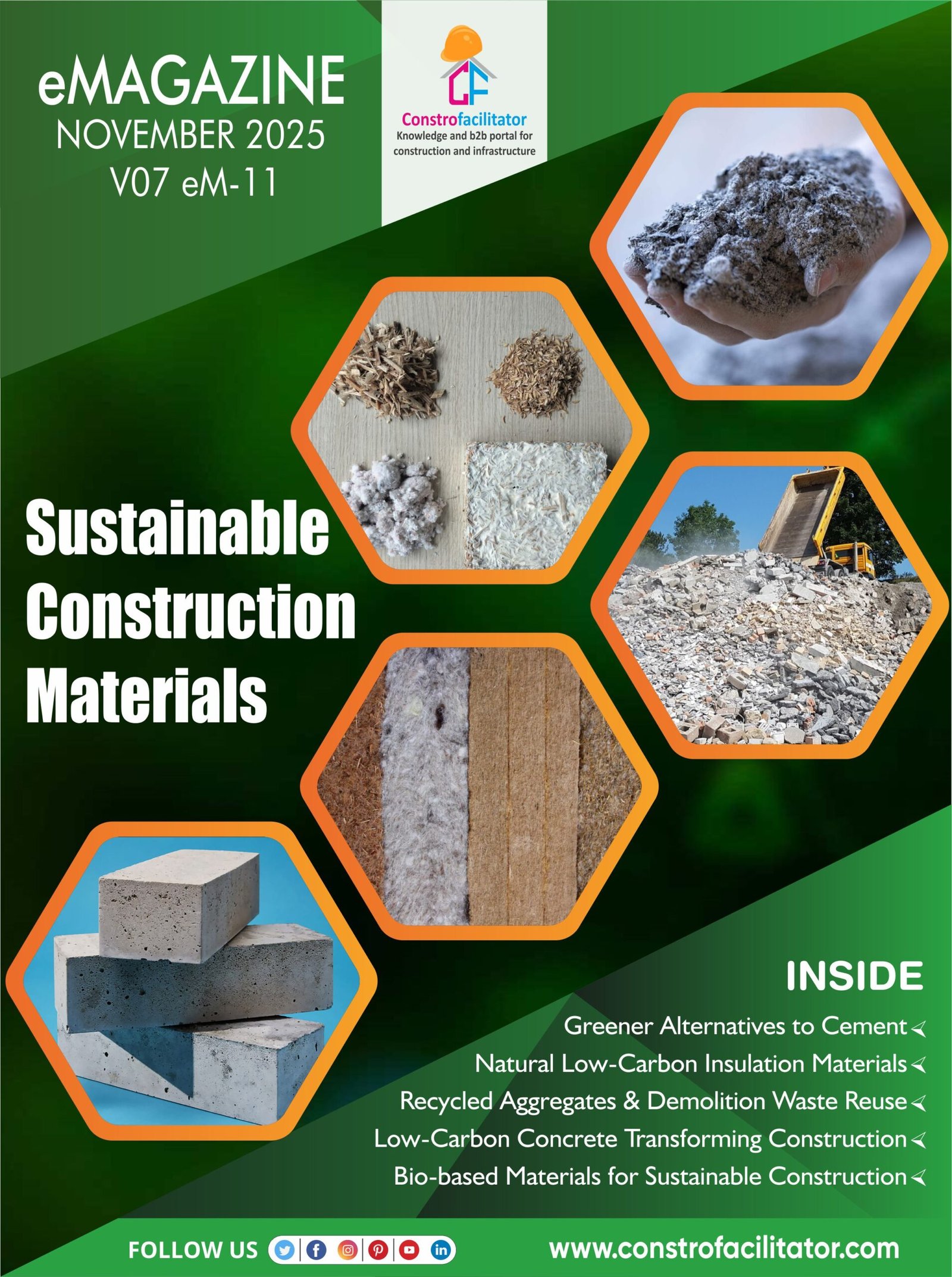
The demand for sustainable building materials is on the rise. This is due to communities and developers aim to reduce the environmental impact of construction.
From traditional practices to modern innovations, the evolution of these materials offers an exciting glimpse into the future. It is where eco-friendly options dominate the construction landscape. Understanding this transition is essential for builders and architects. It is also for anyone interested in creating a more sustainable built environment.
In this exploration of building materials, you’ll discover about advances in technology and changes in consumer preferences. Learn how they are shaping the future of construction. Keep on reading!
Where Sustainable Building Materials Began
Long ago, builders used materials like wood, stone, and clay because they were easy to find and strong enough to last. These natural resources provided insulation and protection from the elements. As people became more aware of environmental damage, they started looking for better ways to build.
Some early changes included using recycled materials. It also involves choosing resources that could be replaced without harming the planet. This shift marked the start of a movement toward greener construction methods.
New Developments in Sustainable Materials
Today, there are more options for eco-friendly building materials than ever before. Bamboo has become a popular choice because it grows quickly and absorbs carbon from the air. Reclaimed wood, taken from old buildings and furniture, helps reduce waste while adding a unique look to new construction. Recycled metal is another option, cutting down the need for mining and making use of old materials instead of throwing them away. These choices help lower the environmental footprint of new buildings.
How Technology is Changing Building Materials
Technology is making sustainable construction even more effective. New techniques allow manufacturers to create materials that use less energy and produce less waste. One example is 3D printing. This can build structures using fewer raw materials while reducing waste.
Another is biocomposites. This involves combining natural fibers with biodegradable resins. It can create strong but eco-friendly materials. These innovations are helping the construction industry. They become more efficient and less harmful to the planet.
Why Sustainable Materials Matter?
Choosing sustainable building materials brings many benefits. They can help lower energy bills by providing better insulation and reducing the need for heating and cooling. Sourcing materials locally also cuts down on transportation pollution. This makes the entire process more environmentally friendly. Using sustainable materials can even improve indoor air quality. This makes homes and workplaces healthier for people.
Challenges in Using Sustainable Building Materials
Sustainable building materials have many benefits, but there are still obstacles to using them. One of the biggest challenges is cost. Eco-friendly materials often have higher upfront prices than traditional ones. This can make builders and homeowners hesitant to use them, even if they save money in the long run. Another issue is that many of these materials are still new, and there are not enough standardized tests or certifications. Without clear guidelines, people may doubt their safety, strength, and long-term performance.
Another problem is availability. In some areas, it is harder to find suppliers or a good variety of sustainable materials. Builders and homeowners may also not know much about these materials or how they help the environment. Without education and easy access, the shift to green construction remains slow.
Finding Solutions
To make sustainable building materials easier to use, industries and governments are working on solutions. Education programs help builders and homeowners learn about the benefits of eco-friendly materials. Training courses also teach workers how to handle and install them properly.
New certifications and building codes are being introduced to ensure quality and reliability. Labels like LEED help people trust that a product meets sustainability standards. There are also financial incentives, such as tax breaks and government grants. They make eco-friendly construction more affordable. These programs help lower costs and encourage more people to use green materials.
The Future of Sustainable Building Materials
As technology advances, sustainable materials will become even better and more widely used. Scientists are developing materials that are stronger and more energy-efficient. For example, nanotechnology is improving material durability, while biodegradable materials help reduce waste.
A new design trend, called biophilic design, is also growing. This approach includes natural elements. Plants and sunlight in buildings to improve both sustainability and well-being. As more people seek eco-friendly solutions, industries will continue to innovate. Over time, sustainable materials will become easier to find, more affordable, and a normal part of construction.
Comparing Traditional and Sustainable Materials
Understand the differences between traditional and sustainable construction equipment. This is crucial for those interested in eco-friendly projects. Here’s a brief comparison:
Durability
Many sustainable materials are designed to last as long. They may be even longer than traditional building materials. Options like bamboo and recycled metal provide strength. They resist wear and tear over time.
Energy Efficiency
Sustainable materials help regulate indoor temperatures. This reduces the need for heating and cooling. This can lead to lower electricity bills and a more comfortable living environment.
Environmental Impact
Eco-friendly materials produce fewer carbon emissions. They generate less waste during production. Many also contain non-toxic components. This improves indoor air quality and makes buildings safer for occupants.
Cost-Effectiveness
Some sustainable materials may cost more initially. However, they often require less maintenance and have lower energy costs. Over time, these savings can make them a smart financial choice for both homeowners and businesses.
Integrating Sustainable Practices with Construction Equipment
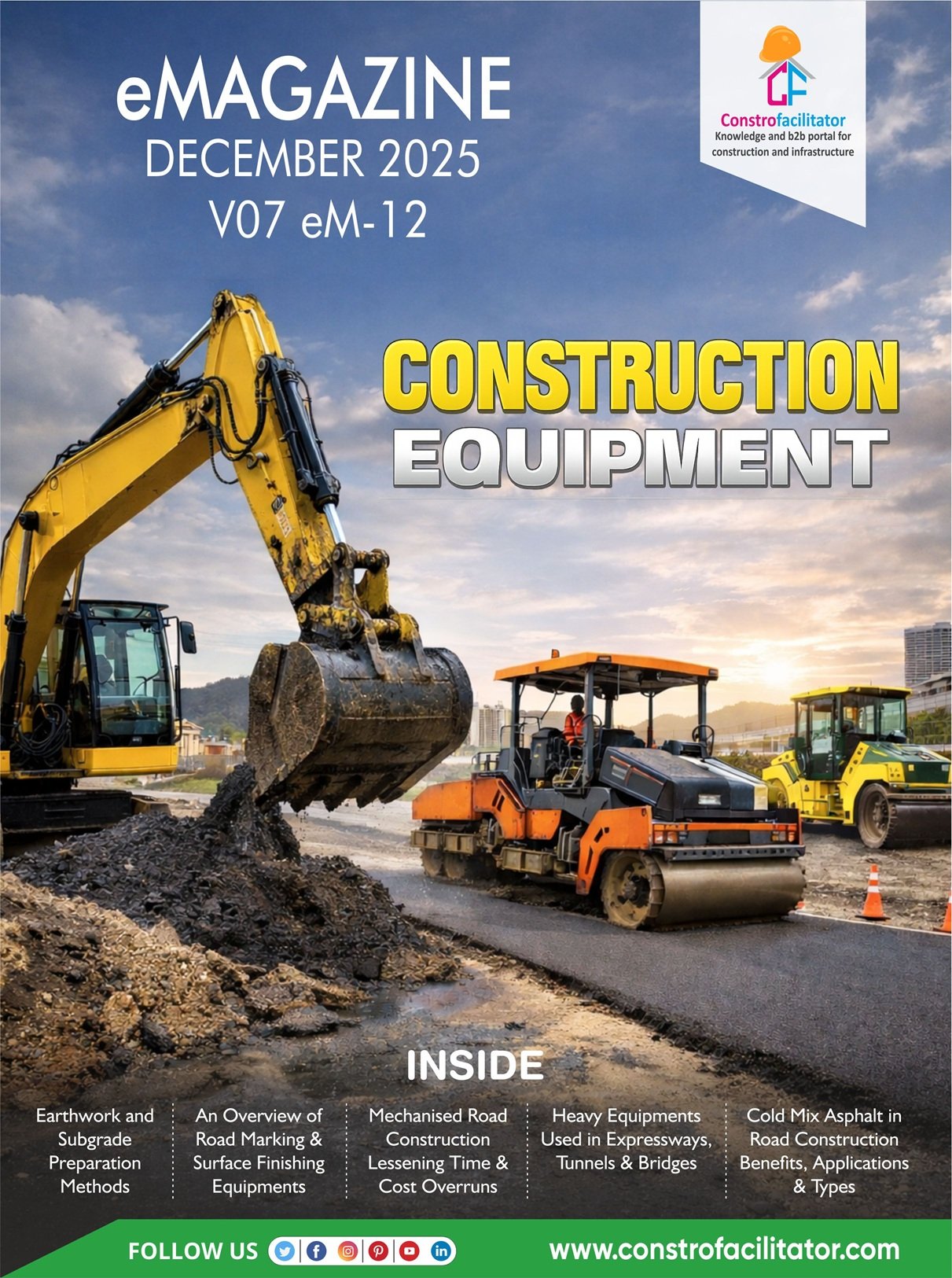
As the need for sustainable building materials grows, so too does the demand for construction equipment that supports this shift. Utilizing construction equipment designed for efficiency can complement sustainable practices. Equipment that minimizes energy use and enhances productivity can significantly contribute to greener construction projects.
Builders can access the latest advancements in sustainable equipment. This enables them to manage resources effectively and reduce waste during the building process. By adopting more efficient construction equipment, the industry can further its commitment to sustainability. It also enhances project outcomes.
Building a Sustainable Future
The way we build is changing, with more focus on using sustainable materials. As people become more aware of environmental concerns, construction practices are shifting toward eco-friendly options. Choosing sustainable materials can improve energy efficiency. It can also reduce waste and create healthier living spaces.
Builders and architects play a big role in making these changes happen. Using the latest advancements in green materials helps make buildings more durable and efficient. This shift is good for the environment. It also makes economic sense in the long run.
For more related topics, visit our blog!