
Foundation systems represent the most critical yet least visible components of any building structure. Whether constructing new buildings or protecting existing properties, understanding foundation services enables informed decisions that safeguard significant investments.
This comprehensive guide explores essential foundation services, including piling installation, precision cropping, and stabilisation techniques.
The Critical Importance of Foundation Integrity
Every structure depends entirely on its foundation for stability, safety, and longevity. Foundation problems manifest through cracking walls, sticking doors, uneven floors, and in severe cases, structural failure. Addressing foundation concerns promptly prevents minor issues from escalating into major structural crises.
Property values directly correlate with foundation condition and documented maintenance history. Buildings with foundation problems face significant valuation discounts and difficulty attracting buyers or tenants. Investing in foundation quality protects both structural integrity and financial investments in properties.
Insurance considerations increasingly factor foundation condition into coverage decisions and premium calculations.
Neglected foundations may void coverage or trigger policy exclusions when problems emerge. Proactive foundation management maintains insurance protection while preventing costly claims.
Understanding Piling Systems
Deep foundation piling transfers structural loads through inadequate surface soils to stable bearing strata below.
This technology enables construction on sites where conventional shallow foundations would fail. Piling systems support everything from residential buildings to massive industrial facilities and infrastructure projects.
Pile types include driven concrete piles, steel sections, bored piles, and helical screw piles, among others.
Each type suits specific soil conditions, load requirements, and site constraints. Professional engineers select appropriate pile systems based on geotechnical investigation and structural analysis.
Installation methods vary from impact driving and vibratory installation to drilling and screwing, depending on pile types.
Equipment selection matches project requirements, considering ground conditions, access limitations, and environmental sensitivities. Experienced contractors optimise installation approaches for efficiency and quality.
Load verification during installation confirms that piles achieve design capacities before construction proceeds.
Driving resistance, torque measurements, or load testing provide objective evidence of adequate performance. This verification prevents building on foundations that might prove inadequate for structural demands.
The Essential Role of Pile Cropping
Driven piles rarely terminate at exact specified elevations, requiring removal of excess material above cutoff levels. This pile cropping process creates precise bearing surfaces for structural connections. Quality cropping preserves pile integrity while exposing reinforcement for proper structural integration.
Traditional breaking methods using pneumatic hammers damage pile concrete and reinforcement through excessive vibration. Cracking extends below the intended cutoff elevations while bent reinforcement compromises the connection capacity.
These quality problems undermine structural performance despite appearing acceptable superficially.
Modern hydraulic cropping technology delivers precision results impossible with manual breaking methods. Controlled pressure fractures concrete cleanly at specified elevations without damaging material below. This precision protects structural capacity while accelerating construction schedules dramatically.
Engaging a professional Pile Cropper in Australia ensures optimal results from specialized equipment and experienced operators.
These specialists understand the technical requirements for different pile types and structural applications. Their expertise delivers quality pile finishing that supports long-term structural performance.
Safety advantages of hydraulic cropping protect workers from hazards inherent in manual breaking operations.
Reduced noise exposure, vibration transmission, and flying debris all improve worksite safety. Faster completion further reduces the time workers spend exposed to foundation work hazards.
Productivity improvements compress construction schedules by completing cropping in days rather than weeks.
This acceleration enables the earlier commencement of subsequent construction activities. Schedule compression delivers financial benefits through reduced financing costs and earlier occupancy.
When Existing Foundations Need Attention
Existing buildings develop foundation problems through various mechanisms, including soil movement, moisture changes, and inadequate original construction.
Warning signs include diagonal wall cracks, doors and windows that stick or won’t close properly, and visible floor slopes. Early detection enables less invasive and less expensive remediation.
Soil conditions change over time due to moisture variations, vegetation effects, and adjacent construction activities.
Clay soils particularly expand and contract with moisture changes, causing cyclical foundation movement. Understanding soil behaviour guides appropriate remediation strategies.
Original construction deficiencies sometimes become apparent only after years of service. Undersized footings, inadequate reinforcement, or poor concrete quality may initially perform adequately before failing under cumulative stress. Assessment identifies these latent defects, guiding targeted repairs.
Adjacent construction, including excavations, dewatering, and pile driving, can disturb existing foundations nearby.
Monitoring during adjacent work detects movement requiring intervention. Proactive protection prevents damage that would require expensive remediation.
Foundation Stabilisation Techniques
Professional foundation stabilisation services restore structural integrity to buildings experiencing foundation distress.
These specialized interventions address underlying causes while repairing visible damage. Quality stabilisation extends building life while protecting occupant safety.
Underpinning extends existing foundations to deeper, more stable bearing strata using various techniques.
Traditional mass concrete underpinning excavates beneath existing footings in controlled sequences. Modern approaches include mini-piling, screw piles, and resin injection, depending on conditions and access.
Soil modification techniques improve ground conditions supporting existing foundations without direct structural intervention. Compaction grouting densifies loose soils while permeation grouting fills voids and stabilizes granular materials. These approaches suit specific soil types and problem mechanisms.
Resin injection lifts and supports settled foundations by expanding polyurethane materials beneath footings. This minimally invasive technique requires only small injection holes rather than major excavation. Rapid curing allows immediate building use following treatment completion.
Steel push piers driven to stable strata provide permanent support for settled structures. Hydraulic equipment advances steel sections through problem soils until reaching competent bearing. Building loads transfer to stable ground, preventing further settlement.
Helical piles screwed beneath existing footings offer another underpinning approach with minimal site disturbance. The installation process creates negligible vibration or soil displacement. Immediate load capacity allows rapid completion without concrete curing delays.
Assessment and Diagnosis
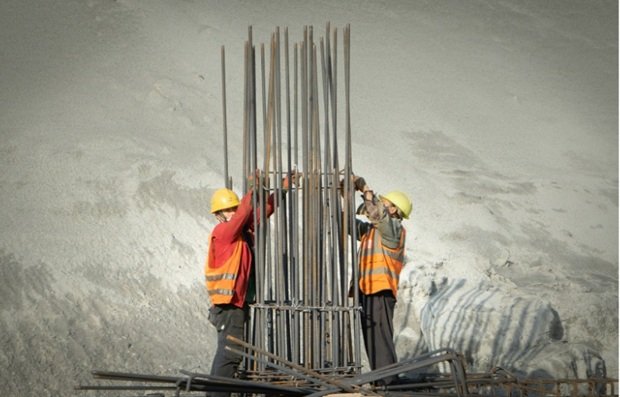
Proper foundation assessment precedes any remediation to ensure appropriate intervention selection. Visual inspection identifies obvious distress patterns while instrumented monitoring detects ongoing movement. Professional assessment combines observation with technical measurement and engineering analysis.
Crack mapping documents distress patterns, revealing underlying foundation behaviour. Crack orientations, widths, and distributions indicate specific failure mechanisms. This diagnostic information guides targeted repairs addressing root causes rather than symptoms. Professional foundation repair strengthens and stabilizes buildings by resolving damage caused by settlement, cracks, and soil-related movement.
Level surveys establish precise floor and foundation elevations across building footprints. Comparing surveys over time reveals ongoing movement requiring intervention. Baseline surveys before adjacent construction document existing conditions to protect against future disputes.
Geotechnical investigation characterises soil conditions contributing to foundation problems. Understanding soil properties guides appropriate remediation techniques and realistic performance expectations. Investigation should precede significant stabilisation investments to ensure appropriate solutions.
Structural engineering assessment integrates all diagnostic information into actionable recommendations. Engineers determine which interventions address identified problems most effectively. Their professional judgment balances technical requirements with practical constraints and budget realities.
Selecting Qualified Foundation Contractors
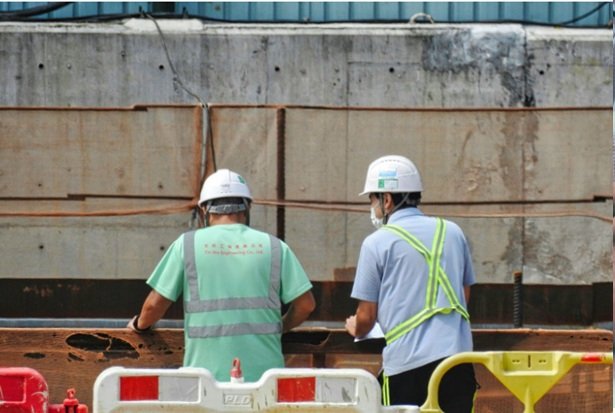
Specialized expertise distinguishes qualified foundation contractors from general builders lacking specific experience. Foundation work requires understanding soil mechanics, structural engineering, and specialised equipment operation. Generalists attempting foundation work often create problems requiring expert correction.
Licensing and insurance requirements vary by jurisdiction, but provide baseline contractor qualification indicators. Verify current licensing status and adequate insurance coverage before engaging contractors. These protections matter significantly when foundation work affects structural integrity.
Experience verification through references and project portfolios confirms contractor capabilities. Speaking with previous clients reveals actual performance beyond marketing claims. Contractors should readily provide references for similar completed projects.
Equipment capabilities must match specific project requirements for piling installation, cropping, or stabilisation.
Specialised foundation work requires purpose-built equipment that general contractors rarely possess. Equipment ownership or committed access ensures availability when projects require mobilisation.
Safety records indicate contractor management quality and worker competency. Strong safety performance suggests effective systems and trained personnel. Poor safety records predict problems likely to affect your project negatively.
Cost Considerations and Budgeting
Foundation services represent significant investments requiring careful budgeting and financial planning. Accurate cost estimation depends on a thorough site assessment and a clearly defined scope. Rushing into contracts without adequate investigation risks costly scope changes and budget overruns.
Competitive bidding among qualified contractors ensures fair pricing while maintaining quality standards. However, selecting solely on price invites problems when underqualified contractors attempt complex work. Balance cost considerations against demonstrated capability and relevant experience.
Phased approaches spread costs while addressing the most critical issues first when budgets constrain comprehensive intervention. Prioritising areas of greatest structural concern ensures limited funds protect essential building function. Subsequent phases complete the remaining work as funding becomes available.
Long-term value calculations should factor ongoing costs of deferred maintenance against upfront intervention expenses. Foundation problems worsen over time, with repair costs escalating accordingly. Early intervention typically costs less while preventing damage to other building components.
Preventive Measures and Maintenance
Proper drainage management prevents water from accumulating near foundations, where it causes soil movement. Gutters, downspout extensions, and grading direct water away from buildings. These simple measures prevent many foundation problems at minimal cost.
Vegetation management controls root intrusion and moisture extraction affecting foundation soils. Large trees near buildings can desiccate clay soils, causing settlement beneath footings. Strategic plant selection and placement protect foundations while maintaining landscape aesthetics.
Plumbing leak detection prevents water infiltration, destabilising foundation soils. Hidden leaks can saturate foundation soils for extended periods before discovery. Regular plumbing inspection identifies problems before foundation damage occurs.
Movement monitoring detects developing problems while intervention remains simple and affordable. Periodic level surveys, crack monitoring, and door operation assessment reveal trends requiring attention. This vigilance enables proactive maintenance rather than reactive emergency repairs.
Documentation and Records

Comprehensive documentation supports future property transactions, insurance claims, and maintenance planning. Foundation assessments, remediation work, and monitoring records create valuable property history. Organised records demonstrate responsible property stewardship to future purchasers.
Warranty documentation for foundation work specifies coverage terms and maintenance requirements. Following required maintenance protocols preserves warranty protection. Retaining warranty information ensures coverage accessibility when needed.
Photographic documentation before, during, and after foundation work provides visual records complementing written reports. Photos capture conditions that written descriptions cannot fully convey. Time-stamped images establish condition timelines supporting future claims if needed.
Engineering certifications confirm remediation work meets design specifications and professional standards. These certifications carry professional liability protection through engineers’ insurance coverage. Certified work provides confidence in foundation adequacy for building officials, insurers, and future owners.
Conclusion
Foundation services encompassing piling, precision cropping, and stabilisation protect buildings throughout their entire lifecycles. New construction requires quality piling installation and professional finishing, while existing buildings may need assessment and stabilisation. Understanding these services enables property owners to make informed decisions protecting their investments.
Engaging qualified specialists for foundation work ensures optimal outcomes from complex technical procedures. Professional expertise, specialised equipment, and proven experience combine to deliver results that generalists cannot match.
Foundation integrity depends on engaging the right contractors with appropriate capabilities for specific project requirements.
The investment in quality foundation services returns value through decades of reliable structural performance. Whether building new structures or protecting existing properties, foundation excellence provides the stability upon which everything else depends.
Prioritizing foundation quality represents the wisest investment property owners can make in their buildings’ long-term success and safety.



