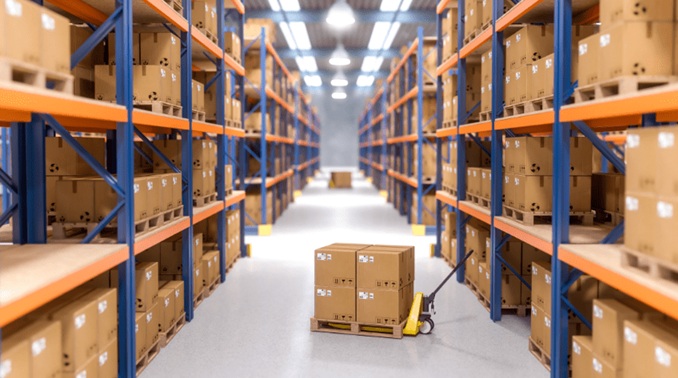
Efficient supply chains are what bring products to consumers. Central to these operations are warehousing and distribution. Additionally, they complement supply chains, facilitating the seamless exchange between manufacturers and end-users. Knowing what they are, why they matter, and how they work can shed light on how supply chains operate.
The Role of Warehousing
Warehousing is where products are stored. It also acts as a buffer, storing products until they are ready for use. It helps you maintain your stock levels in accordance with consumer demand. They ensure that there is always enough stock without wastage or stock-out situations.
Additionally, they support the supply chain by acting as a consolidation point for goods. It allows for the aggregation of goods from different suppliers and then kitting, making them ready to ship from a single location. This mechanism minimizes transportation costs and optimizes delivery routes to ensure efficient and cost-effective delivery. It is worth noting exactly how distribution and warehousing services integrate with transportation solutions to streamline the entire supply chain.
Types of Warehouses
Various types of storehouses cater to different business requirements. Shared storage facilities, also known as public warehouses, provide flexibility for businesses that experience fluctuations in storage volume. On the other hand, Private warehouses are those owned by the company for its own use. They provide enhanced management over storage and functionality.
The second type is a bonded warehouse for imported goods, which serves as a holding place until customs duties are paid. They are essential for international trade, as they enable businesses to defer payments while ensuring the continued availability of goods and services.
Technology in Warehousing
Technology has transformed warehousing operations. Automated and sophisticated systems enable easier processes and increased efficiency. These systems increase picking speed and allow the achievement of lower labor costs. Warehouse management systems also provide real-time insights into inventory levels, enabling businesses to make informed decisions about their stock.
Robotics is also on the rise. Utilizing robots to pick and pack, also ensuring that orders are picked and packed accurately and quickly. Technological advancements in automation lead to fewer errors and higher productivity in warehouses, making them more sophisticated and reliable.
Distribution: The Next Step
The next stage in the process is distribution, after the storage of goods. It deals with the distribution of goods to sellers or customers. A distribution that works creates speed of delivery, which in turn retains trust with customers.
Distribution consists of various elements, including logistics, order fulfillment, and packaging. All of these components are essential to ensure that goods are delivered safely and promptly.
Transportation Strategies
Distribution has many components, the first being transport. The mode you choose can influence both speed and price. There are several methods of transport, including road, rail, air, and sea.
Pros and Cons of Each Mode: Each mode has its benefits and drawbacks, and organizations have to opt for the one that suits them best.
Road transport, for example, is flexible and suitable for distances that are not too great. Air shipping is more expensive, but it’s ideal for time-sensitive shipments. Most businesses use a hybrid of these modes to maximize their distribution effectiveness.
Order Processing and Packaging
The processing of handling customer orders that you receive and fulfilling them to your customers is referred to as order processing. This process should be followed with precision and expediency to ensure customer satisfaction. Barcoding, electronic data interchange, and similar technologies enable faster and more accurate order processing.
Packaging is equally important. It serves as a shield for products in transit and can have a direct impact on consumer perception. Trending toward sustainable packaging solutions that attract eco-friendly buyers and generate less waste.
Challenges in Warehousing and Distribution
Warehousing and distribution are essential, but they are not without their challenges. Prone to Overstocking or Understocking Due to Variable Consumer Demands. Additionally, delivery can be delayed due to transportation disruptions, which may result in a decline in customer satisfaction.
Businesses must have flexible and agile strategies in place to effectively tackle these challenges. They must calibrate their stock levels according to demand predictions and develop solutions for transportation issues. Having logistics partners that can be strongly relied upon to tackle these difficulties can also significantly reduce risks.
Conclusion
Warehousing and distribution represent a vital part of every supply chain. They guarantee that items are stored securely and shipped promptly. By leveraging technology and adopting flexible strategies, businesses can overcome these challenges and improve their operational efficiency. Knowing them can help you make better decisions when evaluating and managing the supply chain more effectively.