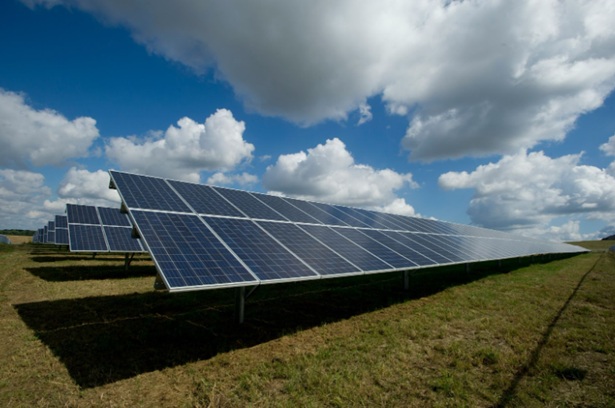
Singapore’s construction industry is experiencing a paradigm shift towards sustainability, driven by the government’s Green Plan 2030 and increasing environmental consciousness among businesses. As construction companies seek innovative ways to reduce their carbon footprint while maintaining profitability, a compelling opportunity has emerged: leveraging solar energy income to finance essential equipment purchases, including critical lifting gear like steel wire rope slings.
The Green Building Revolution in Singapore
The Lion City has positioned itself as a global leader in sustainable construction, with the Building and Construction Authority (BCA) implementing stringent green building standards.
The SkyRise Greenery Incentive Scheme and various sustainability grants have created an environment where construction companies are not just encouraged but financially incentivized to adopt eco-friendly practices.
This shift towards sustainability extends beyond building materials and construction methods to encompass the entire operational framework of construction businesses.
Forward-thinking companies are now exploring how renewable energy investments can create additional revenue streams that directly support their equipment financing needs.
Understanding Solar Energy Income Potential in Singapore
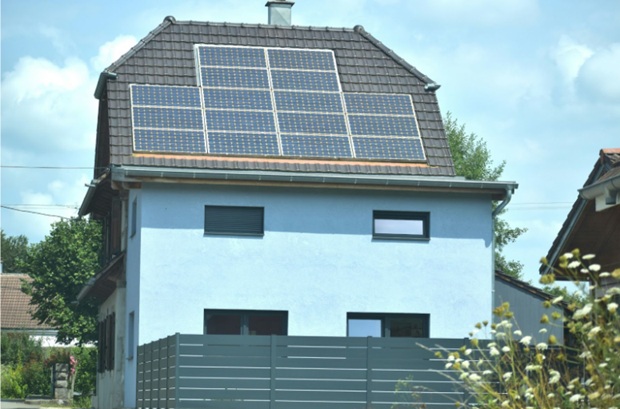
Singapore’s tropical climate, despite its small land area, presents unique opportunities for solar energy generation. The government’s SolarNova programme and various feed-in tariff schemes have made solar installations increasingly attractive for commercial entities, including construction companies.
Construction businesses with warehouse facilities, equipment yards, or office buildings can install solar panels to generate electricity for their operations. More importantly, excess energy can be sold back to the grid through SP Group’s solar export schemes, creating a steady income stream. Understanding the long-term financial benefits of solar energy income has become a game-changer for companies looking to diversify their revenue while supporting their sustainability goals.
The typical commercial solar installation in Singapore can generate returns of 8-12% annually, with payback periods ranging from 6-8 years.
For construction companies with substantial roof space or land holdings, these installations can generate significant monthly income that extends well beyond operational energy savings.
Creating Synergy: Solar Income Meets Equipment Financing
The connection between solar energy income and steel wire rope sling financing lies in creating a sustainable cash flow cycle that supports equipment acquisition while advancing environmental goals. Construction companies can strategically structure their solar installations to generate dedicated funding streams for equipment purchases and replacements.
Establishing Dedicated Equipment Funds
Smart construction companies are setting up dedicated equipment replacement funds funded entirely by solar energy income. By installing solar systems with capacities that exceed immediate operational needs, these companies create surplus energy that generates monthly income specifically earmarked for equipment purchases.
For example, a mid-sized construction company in Singapore might install a 200kW solar system that generates S$3,000-4,000 monthly in excess energy sales.
Over a year, this creates a S$36,000-48,000 fund specifically for equipment acquisition, easily covering the cost of a comprehensive steel wire rope sling inventory.
Predictable Cash Flow for Equipment Planning
Solar energy income provides the predictable cash flow that construction companies need for strategic equipment planning. Unlike project-based revenue, which can be irregular and dependent on market conditions, solar income offers consistency that enables better financial planning.
This predictability allows companies to establish systematic equipment replacement schedules, ensuring that steel wire rope slings are replaced according to safety standards rather than budget constraints. Regular replacement not only enhances safety but also reduces the risk of equipment failure that could lead to costly project delays.
The Critical Role of Steel Wire Rope Slings in Construction
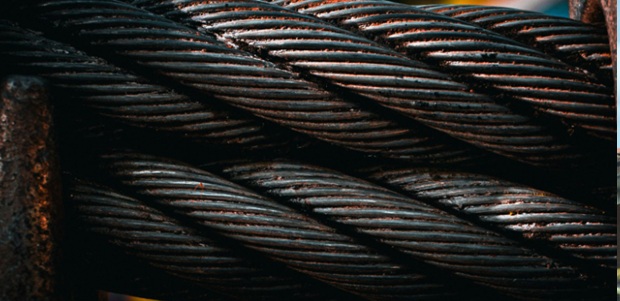
Heavy lifting operations form the backbone of Singapore’s construction industry, from high-rise residential developments to massive infrastructure projects like the Thomson-East Coast MRT line. At the heart of these operations are steel wire rope slings, essential equipment that ensures safe and efficient material handling.
High-quality steel wire rope sling products offer superior strength, durability, and reliability compared to other lifting solutions. In Singapore’s demanding construction environment, where projects often involve lifting precast concrete elements, steel beams, and heavy machinery in tight urban spaces, the quality and reliability of lifting equipment cannot be compromised.
However, premium steel wire rope slings represent a significant capital investment. High-grade slings that meet Singapore’s strict safety standards and can withstand the country’s humid, corrosive environment often cost substantially more than basic alternatives. This is where innovative financing approaches become crucial.
Financial Modeling for Sustainable Equipment Acquisition
Initial Investment Analysis
The financial model for this approach begins with analyzing the initial solar installation investment against projected equipment needs. A typical commercial solar installation in Singapore ranges from S$1,500-2,500 per kW installed, depending on system complexity and site conditions.
Construction companies should evaluate their annual equipment expenditure, particularly for critical items like steel wire rope slings, which may need replacement every 2-3 years depending on usage intensity. By sizing solar installations to generate sufficient income for these predictable expenses, companies create a self-funding equipment replacement cycle.
Tax Advantages and Incentives
Singapore’s tax framework provides additional benefits for this approach. Solar installations qualify for various incentives under the Economic Development Board’s schemes, while equipment purchases can be depreciated according to standard construction industry schedules.
The combination of solar investment tax credits, accelerated depreciation on renewable energy equipment, and standard equipment depreciation creates a favorable tax environment that enhances the overall financial benefits of this integrated approach.
Risk Mitigation Through Diversification
By linking solar energy income to equipment financing, construction companies effectively diversify their revenue streams while securing essential operational capabilities. This approach reduces dependence on project-based income for equipment acquisition and creates resilience against market downturns.
During periods of reduced construction activity, solar income continues to generate funds for equipment maintenance and replacement, ensuring that companies maintain their operational readiness for market recovery.
Implementation Strategies for Singapore Construction Companies

Site Assessment and System Design
The first step involves a comprehensive site assessment to determine optimal solar installation capacity. Singapore’s urban density requires creative approaches, including rooftop installations, solar canopies over equipment yards, and integration with temporary structures on construction sites.
Companies should work with certified solar installers who understand Singapore’s regulatory environment and can navigate the approval processes efficiently. The system design should balance immediate operational needs with income generation goals.
Equipment Procurement Planning
Parallel to solar planning, companies need to establish comprehensive equipment procurement strategies. This includes identifying reliable suppliers of high-quality steel wire rope slings that meet Singapore’s safety standards and developing relationships that support bulk purchasing advantages.
Strategic procurement planning should consider equipment lifecycle costs, including maintenance, inspection, and replacement schedules. By aligning these schedules with solar income generation, companies can optimize their cash flow management.
Financial Monitoring and Optimization
Successful implementation requires robust financial monitoring systems that track solar energy income and equipment expenses separately while maintaining visibility into the overall program performance. Companies should establish key performance indicators that measure both financial returns and sustainability metrics.
Regular review cycles should assess system performance, equipment utilization, and market conditions to optimize the program continuously. This might involve adjusting solar output, modifying equipment specifications, or expanding the program based on successful outcomes.
Quality Considerations for Steel Wire Rope Slings
When investing in solar energy income in lifting equipment, construction companies must prioritize quality and compliance with Singapore’s stringent safety requirements. Steel wire rope slings must meet specific load-bearing capacities, environmental resistance standards, and inspection protocols mandated by the Ministry of Manpower’s workplace safety guidelines.
Premium steel wire rope slings designed for Singapore’s tropical environment feature enhanced corrosion resistance and improved fatigue life, making them ideal long-term investments. While the initial cost may be higher, the extended service life and reduced replacement frequency align perfectly with the steady income stream generated by solar installations.
Challenges and Solutions
Weather Dependency
Singapore’s tropical climate includes periods of reduced solar generation during monsoon seasons. Companies should plan for seasonal variations by establishing reserve funds or implementing battery storage systems to smooth income fluctuations.
Regulatory Compliance
Both solar installations and lifting equipment must comply with Singapore’s strict regulatory requirements. Companies need to maintain current knowledge of evolving standards and ensure that their integrated approach meets all applicable regulations.
Technology Evolution
Rapid advancement in both solar technology and construction equipment requires flexible planning approaches. Companies should structure their programs to accommodate technology upgrades and evolving industry standards.
Case Study: Local Implementation Success
Several Singapore construction companies have already begun implementing this integrated approach. A local mid-tier contractor recently installed a 150kW solar system on their Jurong warehouse facility, generating approximately S$2,800 monthly in excess energy sales.
This income stream now funds their quarterly steel wire rope sling replacements and annual equipment upgrades, creating a sustainable cycle that has improved both their safety record and environmental credentials.
The company reports that this approach has not only reduced their equipment financing burden but also enhanced their competitiveness in bidding for green building projects that prioritize sustainability metrics.
Future Outlook and Expansion Opportunities
The integration of solar energy income with equipment financing represents just the beginning of sustainable construction finance innovation. As Singapore continues advancing its green building initiatives and renewable energy adoption, construction companies that establish these programs early will gain competitive advantages.
Future developments might include expanded applications to other equipment categories, integration with energy storage systems, and participation in Singapore’s emerging carbon trading markets.
Companies that establish strong foundations in solar-funded equipment acquisition position themselves to capitalize on these evolving opportunities.
Economic Impact and Industry Transformation
This financing model contributes to Singapore’s broader economic goals of becoming a regional green finance hub. By demonstrating practical applications of renewable energy income for business operations, construction companies help establish precedents that could influence similar initiatives across other industries.
The scalability of this approach means that as more companies adopt solar-funded equipment strategies, the collective impact on Singapore’s renewable energy adoption and industrial sustainability will be substantial, supporting national climate goals while maintaining economic competitiveness.
Conclusion
The convergence of Singapore’s sustainability initiatives and construction industry needs creates compelling opportunities for innovative financing approaches. By leveraging solar energy income to finance steel wire rope sling purchases and other essential equipment, construction companies can advance their environmental goals while maintaining operational excellence.
This integrated approach offers financial benefits through diversified revenue streams, operational benefits through reliable equipment funding, and strategic benefits through enhanced sustainability positioning.
As Singapore continues its green transformation, construction companies that embrace these innovative financing models will find themselves well-positioned for long-term success in an increasingly sustainability-focused market.
The path forward requires careful planning, strategic investment, and commitment to both financial performance and environmental responsibility.
However, for construction companies willing to embrace this integrated approach, the rewards include enhanced profitability, improved sustainability credentials, and a more resilient business model capable of thriving in Singapore’s evolving construction landscape.
Success in this model depends on selecting quality equipment that justifies the investment and partnering with reliable solar energy providers who can deliver consistent returns.
With proper implementation, this approach transforms essential business expenses into strategic investments that support both operational excellence and environmental stewardship.