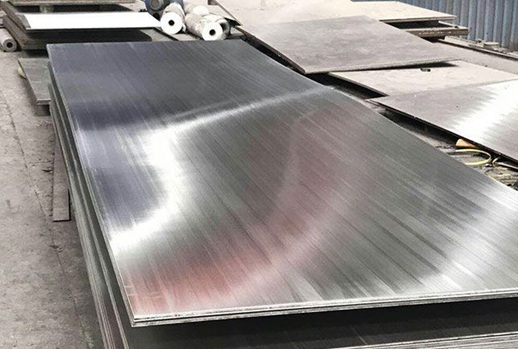
You’ve heard of stainless steel. You’ve probably used it today — in your kitchen, at work or even while holding your phone. But when it comes to choosing the right stainless steel sheet for a project, things suddenly get confusing. Numbers start flying around: 304, 316, 430. They sound like Wi-Fi error codes, but they actually determine how your final product behaves, lasts and withstands the environment.
Let’s unpack the differences — so you never buy the wrong grade again.
Why Stainless Steel Sheets Aren’t All the Same
Stainless steel is famous for being strong, shiny and resistant to rust. But here’s the catch: different grades behave differently. Some resist corrosion like warriors. Others are more budget-friendly but less durable. And some are designed for high-heat or clean environments.
What Makes It “Stainless”?
The secret lies in chromium. When chromium is added to steel, it forms a protective layer that helps prevent rust. Most stainless steel sheets contain at least 10.5% chromium — but the amount and combination of elements change everything:
- Corrosion resistance
- Strength and hardness
- Price
- Formability
- Magnetism
That’s why understanding stainless steel grades isn’t just technical — it’s practical. It helps match the right material to the right job.
The Three Most Common Grades
Let’s focus on the ones seen most often:
| Grade | Best For | Key Traits |
| 304 | General use | Strong, versatile, non-magnetic |
| 316 | Corrosive environments | High resistance, marine-grade |
| 430 | Cost-efficient projects | Magnetic, less corrosion-resistant |
Once you understand these — choosing becomes easy.
304 Stainless Steel – The “All-Rounder”
Think of Grade 304 as the reliable friend who’s always there when you need them. It works well in most environments, shapes easily and doesn’t break the bank.
Why People Love It
Common benefits of 304 stainless steel sheet:
- Good corrosion resistance
- Easy to cut and form
- Non-magnetic
- Suitable for food contact
- Affordable
That’s why you’ll see it everywhere — from cookware to commercial sinks to architectural panels.
Best Uses for 304
Perfect for:
- Kitchen equipment
- Furniture accents
- Food processing areas
- Wall cladding
- Household appliances
If you’re unsure which grade to choose, 304 is usually a safe bet — unless your project involves saltwater or chemicals. That’s when you upgrade.
316 Stainless Steel – The Marine Warrior
Now we’re getting serious. Grade 316 is made to withstand harsh environments — especially water, salt and chemicals. That’s why it’s often called marine-grade stainless steel.
What Makes It Stronger?
316 includes molybdenum, which improves its corrosion resistance — especially against chlorides (like salt). This makes it ideal for demanding environments.
Key advantages:
- Resistant to pitting and crevice corrosion
- Handles chemicals better
- Stronger than 304 in tough conditions
- Maintains appearance longer
If 304 is your everyday workhorse, 316 is your armoured tank.
Where 316 Shines
It’s commonly used in:
- Marine equipment
- Pharmaceutical facilities
- Chemical processing
- Surgical tools
- Outdoor structures near the coast
If the environment is harsh, wet or chemically active, upgrade to 316 stainless steel sheet — it’ll last much longer.
430 Stainless Steel – The Budget-Friendly Option
What if you need stainless steel looks without 304-level pricing? That’s where 430 comes in — a more economical choice for indoor use or decorative applications.
What Makes It Different?
430 contains less nickel — making it more affordable, but slightly less resistant to corrosion. It’s also magnetic, unlike 304 and 316.
Pros:
- Lower cost
- Good strength
- Easy to clean
- Magnetic (useful in some applications)
Limitations:
- Lower corrosion resistance
- Not ideal for wet or acidic environments
Best Uses for 430
Suitable for:
- Interior panels
- Decorative trims
- Exhaust systems
- Appliances (non-heated parts)
- Low-moisture areas
If you don’t need high corrosion resistance — 430 stainless steel sheet can save money without sacrificing appearance.
Final Thought – Choose Based on Environment, Not Assumption
The right stainless steel sheet doesn’t depend on preference — it depends on where and how it will be used. Before choosing, ask yourself:
- Will it contact water or chemicals?
- Is rust prevention critical?
- Does it need to be magnetic?
- Is formability important?
- What’s the budget?
Choosing wrongly may cost thousands in maintenance later — choosing wisely can make your project last for decades.
Here’s your cheat sheet:
| Scenario | Best Grade |
| General indoor use | 304 |
| Harsh or marine environment | 316 |
| Cost-sensitive decorative use | 430 |
| High hygiene or food handling | 304 or 316 |
| Magnetic requirement | 430 |