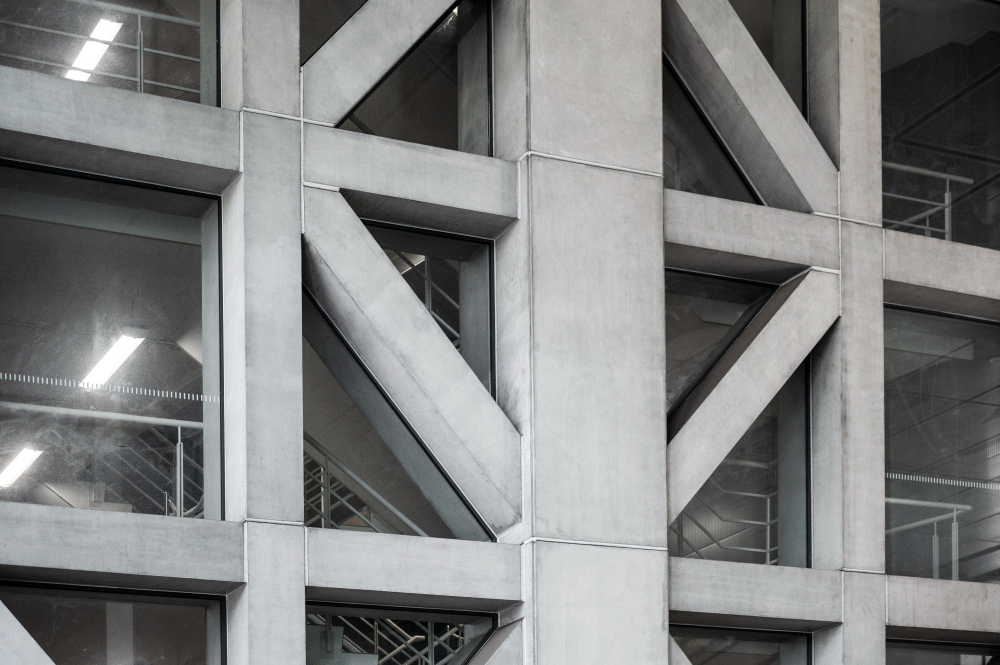
Ultra‑High‑Performance Concrete (UHPC) represents a class of advanced cementitious materials that surpass conventional and even high‑performance concrete in strength, durability, and microstructural densification. UHPC is used in bridges, high‑rise buildings, marine structures, and architectural elements where performance extremes are demanded.
A key enabler of UHPC’s exceptional properties is the intelligent use of chemical and mineral admixtures. Though often added in relatively small quantities, admixtures profoundly affect mix workability, hydration kinetics, microstructure, strength development, and long‑term durability. In UHPC, where achieving very low water content without sacrificing workability is central, admixtures are not optional add‑ons — they are essential components of the material design.
A Brief Overview
Before diving into the role of admixtures, it helps to understand what sets UHPC apart from conventional concrete.
UHPC is formulated with:
- Very low water‑to‑binder ratios, driving density and strength.
- Fine powders and fillers such as cement, silica fume, and other ultrafine mineral additives.
- High packing density – carefully graded particle sizes to minimize voids.
- Fibers – often steel or synthetic, to improve tensile strength and toughness.
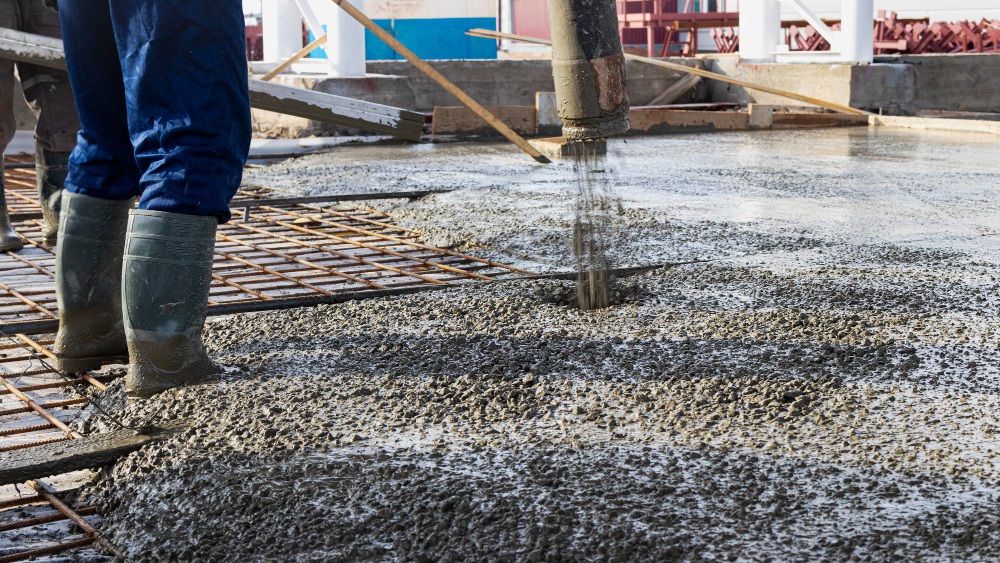
Without admixtures, achieving both flowability (for placing and consolidation) and mechanical excellence (high strength and toughness) at such low water content is impossible. Admixtures adjust the rheology and hydration dynamics of the UHPC paste, facilitating performance that conventional concrete admixtures alone cannot achieve.
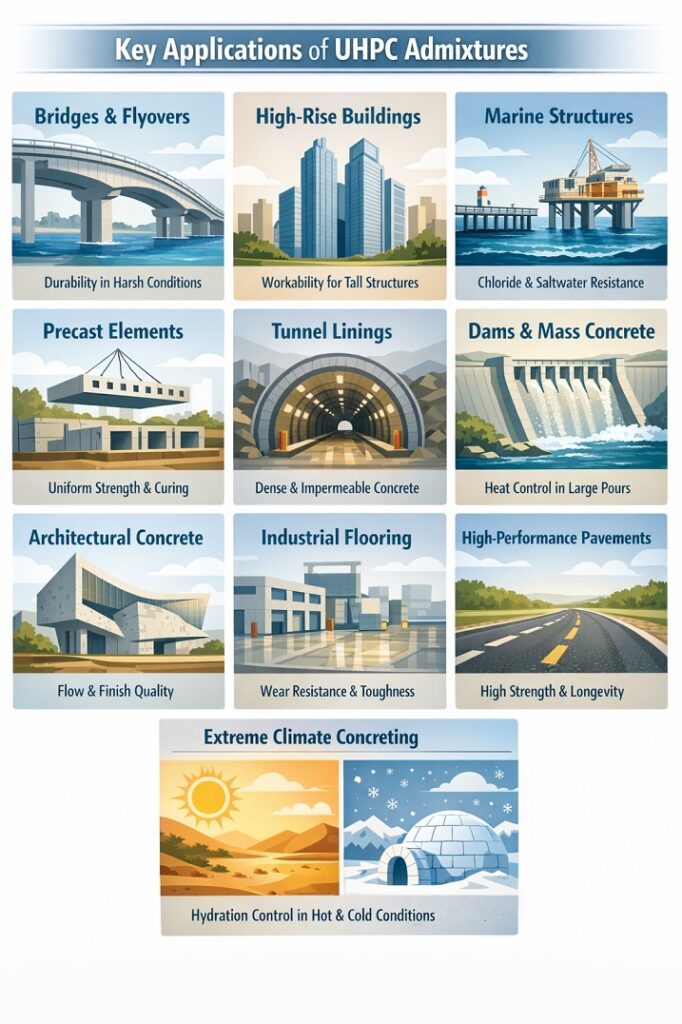
Key Applications of UHPC Admixtures
- Bridges and Flyovers – Ensures long-term durability in harsh environmental conditions.
- High-Rise Buildings – Maintains workability for complex formwork and tall structures.
- Marine Structures – Resists chloride attack and saltwater exposure.
- Precast Concrete Elements – Provides uniform curing and strength in factory settings.
- Tunnel Lining – Enables dense, impermeable concrete for underground applications.
- Dams and Mass Concrete Projects – Controls heat evolution and prevents cracking in large pours.
- Architectural Concrete – Maintains flow and finish quality for intricate shapes.
- Industrial Flooring – Improves wear resistance and toughness.
- High-Performance Pavements – Enhances compressive strength and longevity.
- Extreme Climate Concreting – Controls hydration in hot or cold environments.
Advantages of Admixtures in UHPC
Using admixtures in Ultra-High-Performance Concrete provides multiple benefits:
- Enables ultra-low water-to-binder ratios without compromising workability.
- Improves flowability for self-consolidating concrete.
- Enhances compressive and tensile strength.
- Reduces bleeding and segregation in fresh concrete.
- Refines microstructure for higher durability.
- Minimizes shrinkage and cracking during curing.
- Provides controlled setting time (faster or delayed as needed).
- Supports long-distance pumping and placement.
- Enhances resistance to chemical attack, freeze-thaw cycles, and abrasion.
- Contributes to sustainable construction by enabling SCM use and reducing cement content.
Classification of Admixtures in UHPC
Admixtures used in UHPC broadly fall into two categories:
a) Chemical Admixtures
These are added to modify the fresh and hardened properties of concrete without altering the base ingredients.
- High‑Range Water Reducers (Superplasticizers) – the most critical chemical admixture in UHPC.
- Retarding and Accelerating Agents – control setting time.
- Viscosity Modifiers or Anti‑Segregation Agents – improve cohesion in low water content systems.
- Shrinkage Reducers and Other Specialty Additives – mitigate cracking and unwanted volume changes.
b) Mineral Admixtures (Supplementary Cementitious Materials)
These are finely divided materials that react pozzolanically or act as fillers to enhance packing:
- Silica Fume – an extremely fine pozzolan, a staple in UHPC.
- Fly Ash, Slag, Metakaolin, Ultrafine Powders – improve microstructure and sustainability.
Together, chemical and mineral admixtures define the performance envelope of UHPC.
High‑Range Water Reducers (Superplasticizers)
Mechanism and Function
Traditional water reducers permit some water reduction with maintained workability, but UHPC requires massive water reduction while preserving flow. High‑range water reducers such as polycarboxylate ether (PCE)‑based superplasticizers are indispensable:
- They strongly disperse cement particles, reducing interparticle friction.
- This dispersion enables UHPC to achieve very low water content — the foundation of its high strength and durability.
- PCE superplasticizers also help maintain flowability over time to accommodate complex pours or pumping.
Effects on Fresh Properties
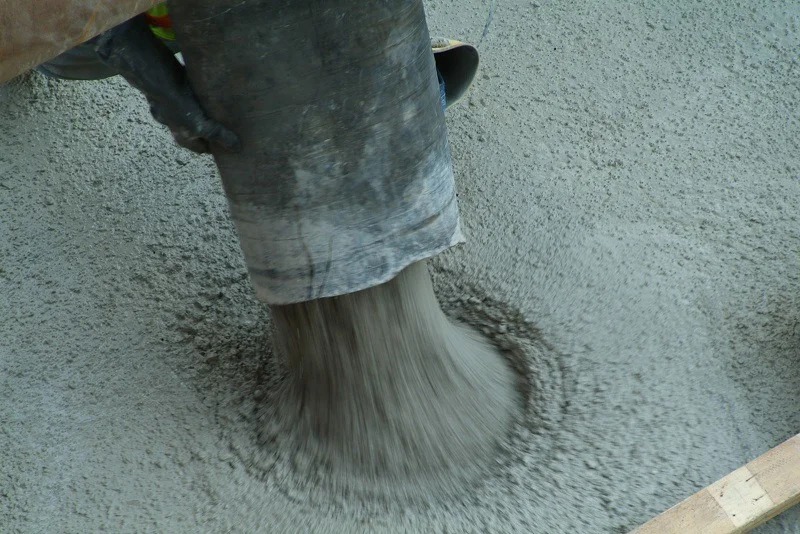
- Workability & Flow: Enable high slump spread or self‑compacting behavior at low water content.
- Reduced Bleeding & Segregation: Better particle dispersion and cohesion.
- Consistency and Pumpability: Essential where UHPC needs to be transported long distances or placed in intricate formwork.
Effects on Hardened Properties
- Strength – lower water content promotes denser microstructure and higher compressive strength.
- Durability – improved packing and reduced porosity reduce permeability.
- Microstructure – uniform distribution of hydrates and fewer weak zones.
Retarders and Accelerators
UHPC’s low water content and high fines can make it susceptible to very fast or unpredictable setting:
- Retarders slow down hydration, extending the working time – especially useful in hot climates or large placements where finishing takes longer.
- Accelerators speed initial strength gain, beneficial for precast UHPC elements where early demolding and rapid turnover are desired.
Both must be used judiciously; excessive acceleration can increase shrinkage cracking while excessive retardation can delay strength development.
Mineral Admixtures and SCMs
Silica Fume
Silica fume is a high‑activity pozzolan with extremely fine particles. In UHPC:
- It improves particle packing due to its tiny, spherical morphology.
- It contributes to pozzolanic reactions – consuming calcium hydroxide and forming additional C‑S‑H, which densifies the matrix.
- It reduces permeability and porosity, contributing directly to durability.
Fly Ash, Slag, Ultrafines
Other mineral admixtures serve as fillers, improving particle size distribution, reducing cement demand, and contributing pozzolanic activity:
- Ultrafine fly ash and mineral powders can refine pore structure and improve mechanical properties.
- Combinations of SCMs can reduce cost and environmental impact while enhancing homogeneity.
Combined Effects
SCMs in UHPC contribute to:
- Improved strength and toughness through additional C‑S‑H formation.
- Reduced cement content, lowering environmental impact and cost.
- Better long‑term durability, including resistance to chemical attack.
Microstructural and Durability Enhancements
Particle Packing and Void Reduction
A well‑designed UHPC mix uses a continuous grading of particle sizes – from cement and silica fume down to nanofillers – to minimize voids. Superplasticizers facilitate dispersion of these particles into a tightly packed, low‑void matrix.
Hydration Enhancement
Mineral admixtures not only act as fillers but activate hydration:
- The pozzolanic reaction between silica and calcium hydroxide forms additional C‑S‑H gel.
- This densifies the cementitious phase and strengthens the interfacial zones.
Durability Features
UHPC’s near‑impervious matrix achieved through admixture‑aided design offers:
- Low permeability to water and aggressive ions.
- Enhanced resistance to freeze‑thaw cycles, corrosion, and abrasion.
- High resistance to environmental degradation due to dense microstructure.

How to Select the Right Admixture – 10 Key Points
- Match Admixture to Purpose – Choose the type (retarder, accelerator, superplasticizer, etc.) based on the specific performance requirement of your project.
- Consider Environmental Conditions – Hot climates may need retarders; cold weather may require accelerators.
- Account for Mix Design – Select admixtures compatible with water-to-binder ratio, fibers, and SCM content.
- Workability Needs – Use superplasticizers for ultra-low water mixes or self-consolidating UHPC.
- Crack Control – Employ shrinkage reducers or combination admixtures when cracking risk is high.
- Flow and Cohesion – Use viscosity modifiers to prevent segregation or bleeding in highly flowable concrete.
- Sustainability Goals – Opt for SCMs, natural retarders, or eco-friendly additives when aiming for green construction.
- Dosage Accuracy – Follow manufacturer guidelines and adjust through trial mixes before large-scale application.
- Compatibility Check – Ensure admixtures are compatible with cement type, SCMs, and fibers to avoid negative reactions.
- Project Schedule Alignment – Select admixtures based on placement timing, curing requirements, and construction sequencing.
Design Considerations in UHPC Mixes
Designing UHPC involves careful interplay between materials and admixtures:
- Particle size distribution – optimal grading reduces void ratio.
- Admixture dosage and timing – over‑ or under‑dosing can adversely affect workability or strength.
- Compatibility – admixtures must be compatible with cement and SCMs to avoid adverse reactions or segregation.
- Curing regime – appropriate curing enhances hydration and performance.
Conclusion
Admixtures are fundamental to the success of Ultra‑High‑Performance Concrete. From enabling ultra‑low water content and superior flowability to refining microstructure and boosting durability, the role of admixtures cannot be overstated. High‑range water reducers, especially PCE‑based superplasticizers, are indispensable in UHPC mix design, while mineral admixtures like silica fume and ultrafines fine‑tune performance and sustainability. The synergy between these components allows UHPC to surpass traditional concrete in strength, resilience, and long‑term performance – fulfilling the growing demands of modern infrastructure and architectural ambition.