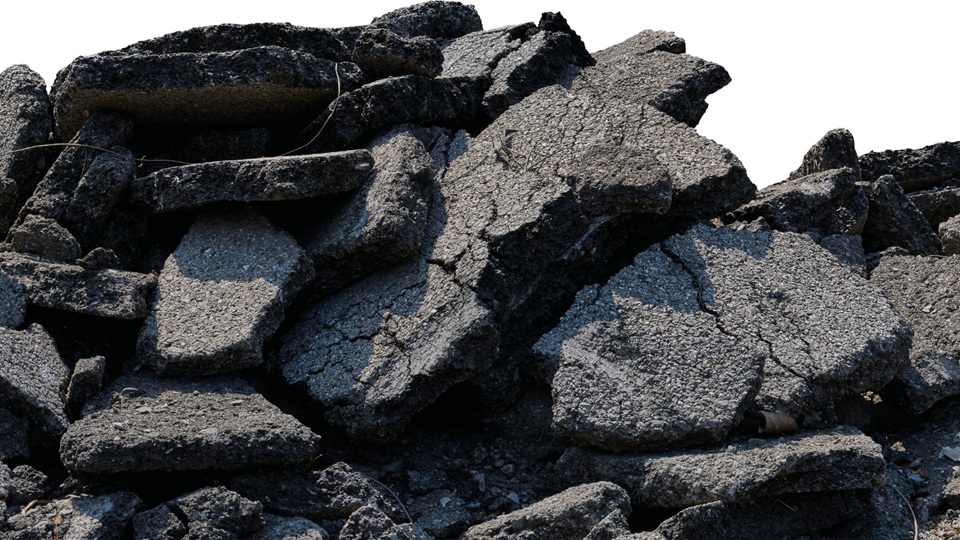
Reclaimed Asphalt Pavement (RAP) is seen as one of the most revolutionary materials for the pavement industry worldwide. As India is going through the development of the highways on a large scale as well as the rehabilitation programs, it has become necessary to employ RAP in bituminous works for ecologically stable, economically viable, and less resource-consuming road construction.
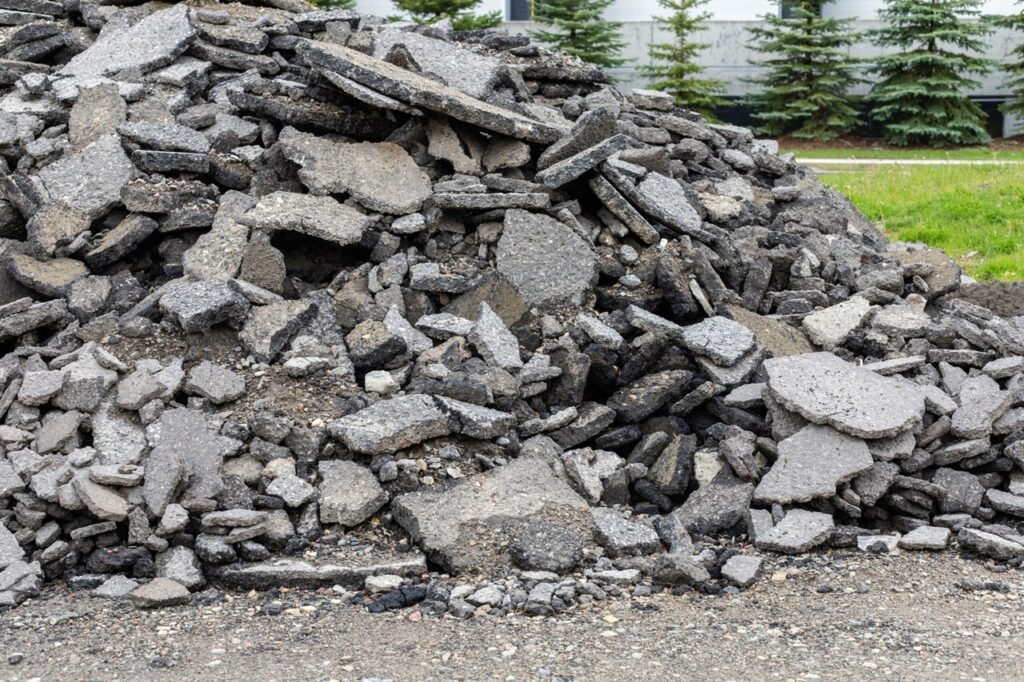
RAP comes from the cutting or removal of asphalt pavements that are locally resurfaced, widened, or reconstructed. Its content is made up of the valuable aggregates and the aged bitumen that can be reused after a proper process. If the mixing of the old and the new materials is done in the right manner, the final product will be strong, durable, and environmentally safe asphalt mixes that can be utilized in various construction and maintenance applications.
Why RAP Matters in Modern Road Construction?
India annually produces the pavement waste of the highways to the tune of millions of tonnes as the result of the upgrade, resurfacing, and maintenance of the highways. In most cases, this material has been traditionally discarded in landfills or used for filling, thus, causing environmental and operational problems.
Today, RAP offers a solution that aligns with:
- Circular economy principles
- Cost reduction goals of contractors
- Material scarcity concerns
- National sustainability mandates
- Faster project delivery needs
RAP not only conserves natural aggregates and bitumen but also reduces carbon emissions and energy consumption throughout the construction cycle.
Composition and Characteristics of RAP
RAP contains all components of conventional asphalt mixes, including:
- Coarse aggregates
- Fine aggregates
- Mineral filler
- Aged bitumen
- Trace additives (from the original mix)
Due to years of service, the binder in RAP becomes stiffer and more viscous. Proper handling, rejuvenation, and blending are essential to restore the required performance characteristics.
Key engineering properties include:
1. Gradation Characteristics
RAP aggregates sometimes look finer and more tightly aggregated than they actually are because they have been processed in the mill. Mixing with virgin aggregates is needed for gradation adjustment.
2. Binder Content
Usually, the RAP binders carry around 4%–6% of the residual bitumen, which can be used as a partial replacement of the fresh binder in new mixtures.
3. Binder Hardening
The stiffening of the mix is caused by the aged bitumen which is still rutting resistant, however, it requires rejuvenators or fresh binder to regain flexibility.
4. Moisture Susceptibility
If the material is not properly stockpiled, it is exposed to the risk of getting damp and therefore additional drying and heating must be done.
5. Material Variability
The quality of RAP that comes from various sources might be different and hence there is a need for proper stockpile management as well as testing.
Benefits of Using RAP in Bituminous Works
1. Significant Cost Reduction
- Reduces consumption of expensive virgin bitumen.
- Cuts aggregate procurement and transportation costs.
- Lowers overall asphalt production expenses by 20–30% depending on RAP content.
2. Environmental Advantages
- Minimizes landfill waste.
- Reduces quarrying and mining activities.
- Decreases greenhouse gas emissions and energy use.
3. Enhanced Pavement Performance
When designed and blended correctly, RAP:
- Improves stiffness and rutting resistance.
- Enhances fatigue life through balanced binder rejuvenation.
- Performs excellently under moderate to heavy traffic conditions.
4. Faster Project Execution
- Milling machines generate RAP on-site during rehabilitation.
- Reuse saves transportation and material processing time.
- Rapid reconstruction suitable for highways, urban roads, and industrial pavements.
5. Supports Green Road Ratings
Use of RAP helps agencies meet sustainability benchmarks and green certification requirements.
Sources and Generation of RAP
RAP is collected from:
1. Milling Operations
Cold milling machines remove existing pavement to uniform depth during:
- Overlay preparation
- Surface correction
- Road widening
- Localized repairs
2. Full-Depth Asphalt Removal
In reconstruction projects, all asphalt layers are excavated using breakers or milling machines.
3. Plant Waste and Reject Mixes
Unused asphalt from hot mix plants is also sometimes reclaimed and reused.

Processing and Handling of RAP
Proper processing ensures uniformity, performance, and compliance with specifications.
1. Crushing and Breaking
Oversized chunks are broken down using crushers or impact hammers.
2. Screening
RAP is screened into different fractions to meet mix design requirements.
3. Stockpile Management
- Separate RAP based on source.
- Prevent contamination from soil and debris.
- Maintain covered or onsite stockpiles to limit moisture absorption.
4. Testing and Quality Control
Routine tests include:
- Particle size distribution
- Binder content extraction
- Specific gravity
- Moisture content
- Presence of contaminants
Accurate characterization ensures consistent mix production.
Use of RAP in Bituminous Works: Construction Process?
Although RAP can be used in various pavement layers, the process of incorporating it into bituminous works involves precise steps.
1. RAP Heating and Drying
RAP is heated carefully to avoid burning the aged binder. Excessive heating can deteriorate mix quality.
2. Proportioning and Blending
RAP is blended with virgin aggregates in predetermined proportions using calibrated feeders.
3. Addition of Fresh Binder or Rejuvenator
Depending on RAP binder hardness:
- Fresh bitumen
- Chemical rejuvenators
- Bio-based softening agents are incorporated to restore desirable viscosity and elasticity.
4. Mix Production at Hot Mix Plant
Hot mix plants must be equipped with:
- Additional cold feed bins
- Parallel flow drum
- Modified burners
- Exhaust and dust control systems
This ensures RAP can be added without overheating.
5. Temperature Management
Ideal mixing temperatures are 120–160°C, depending on RAP percentage and binder type. Temperature control is important to prevent aging.
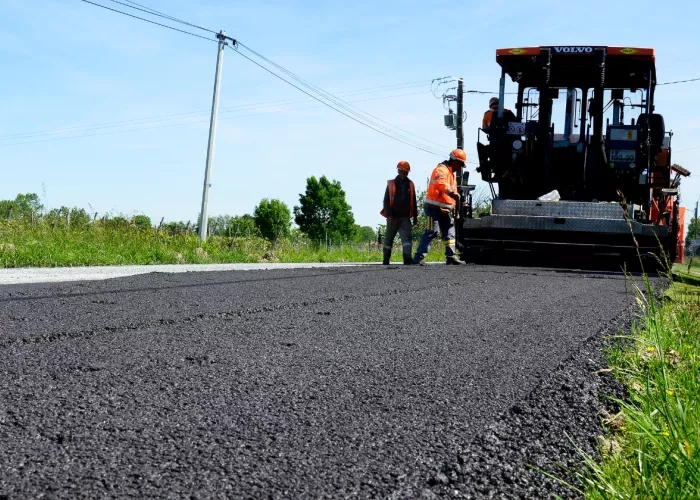
6. Transportation and Laying
- Mix transported in covered insulated tippers
- Laid using sensor-controlled pavers
- Ensures uniform thickness, slope, and compaction
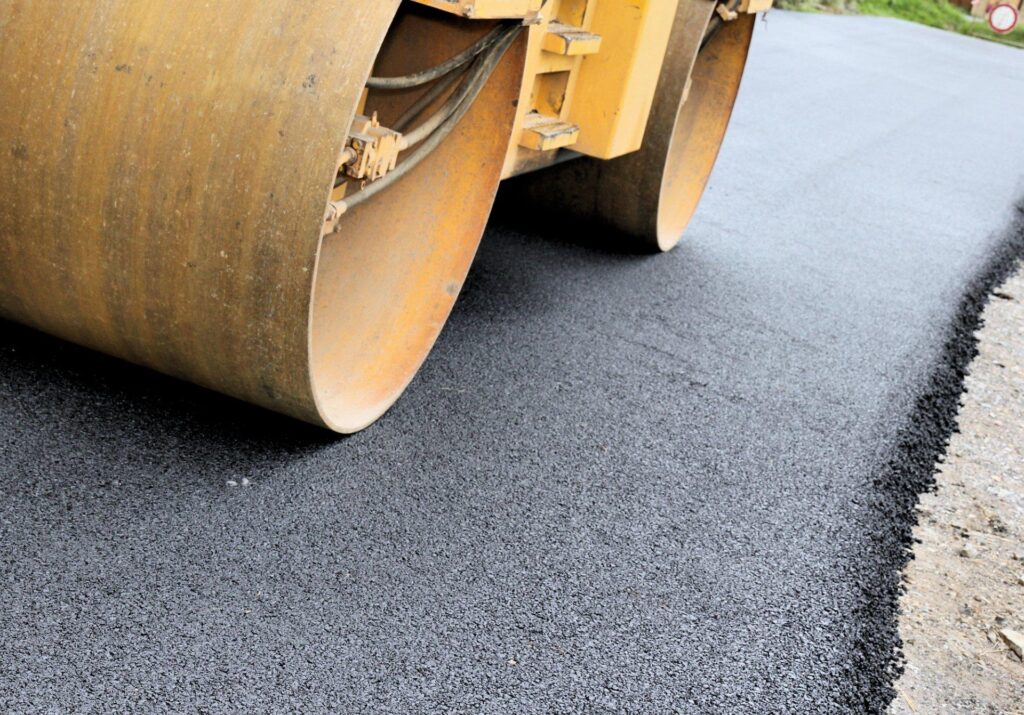
7. Compaction
Rolling sequence includes:
- Vibratory rollers
- Tandem rollers
- Pneumatic tyred rollers
Future of RAP in India
RAP usage is expected to increase significantly as:
- IRC and MoRTH continue updating specifications
- Contractors adopt green technologies
- RAP-based mixes show long-term performance success
- States push for sustainable road construction
Conclusion
Reclaimed Asphalt Pavement (RAP) is one of the major innovations in bituminous construction, which basically means that the old road materials are turned into high-value resources. RAP is an excellent money-saving, green, and performance-enhancing solution if its usage is properly controlled, processed, and blended. The use of RAP in the road sector in India is in line with the country’s commitment to the development of green, energy-saving, and environment-friendly pavements.
Image Credit: asphalticons.com, colascanada.ca, sunriseasphaltaz.com, structville.com, richfieldblacktop.com