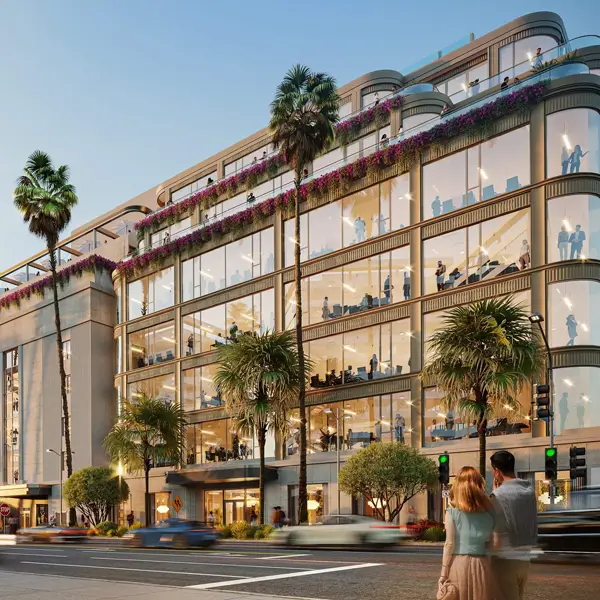
Architects and developers face this constantly: showing someone a blueprint and watching their eyes glaze over. They nod politely. They say they’ll think about it. What they mean is they can’t visualize the damn thing. Investors won’t commit to something they can’t see, city councils drag approvals for months, and presales stall because buyers need to imagine themselves in the space. That’s where rendering comes in – it translates technical drawings into something a human brain processes in under three seconds.
What you’re actually paying for
An architectural rendering company takes your CAD files, SketchUp models, or even hand sketches and builds photorealistic 3D visualizations. The good ones employ people who understand load-bearing walls AND composition theory. Rare skill set. Most 3D artists came up through gaming or film, learned architecture on the job. The best ones? Former architects who got tired of dealing with building codes.
Standard deliverables include exterior shots (building in context, proper shadows, real landscaping), interior perspectives that show how spaces flow, and aerial views for master planning. Some firms do walkthrough videos, VR experiences, the whole nine yards. Here’s the thing though – the technology jumped so far ahead in the past eighteen months that you really can’t tell a high-end rendering from a photograph anymore. I showed a client three images last month, asked which was real. He got it wrong.
Timeline varies wildly. Simple residential exterior? Five business days, maybe seven if they’re backlogged. Complex commercial interior with custom furniture and specific material specs? Two weeks minimum. Large mixed-use development with multiple viewpoints, different times of day, seasonal variations – you’re looking at a month. Rush fees add 40–60% to the base cost, and honestly, rushed work shows. The artist needs time to get the lighting right.
Quality rendering pays for itself in the first client meeting. Projects with photorealistic visuals get approved 40% faster than ones using only technical drawings. Seen it happen repeatedly.
Properties marketed with professional renderings sell 30% faster according to NAHB data from their 2024 builder survey. The math works out pretty simple: a $5M project spending $8,000 on visualization (that’s 0.16% of budget) sells in four months instead of six. Holding costs alone justify the expense.
Finding someone who won’t waste your money
Portfolio tells you everything. Look for variety – can they handle modern minimalist AND classical revival? Do they understand how light behaves at different latitudes? Material representation is where amateurs fail: cheap renderings have plastic-looking stone, glass without proper reflections, wood grain that repeats obviously.
Pay attention to how they ask questions during the first call. Good companies want to know: who’s the audience? What approvals do you need? Where will these images appear? Because rendering for a planning commission is different from rendering for luxury condo marketing. Different camera angles, different emphasis, different level of detail in the surrounding context.
Geographic location matters less than it used to, but workflow differences exist. Eastern European firms charge $300–$600 per exterior view, deliver in 8–10 days, communicate via email. North American studios run $1,200–$2,500 per image but you can call them at 9pm with changes. Depends what you value – met with a developer in Phoenix last spring who used a Ukrainian company for base renderings, then hired a local firm to do revisions because the time zone difference was killing them on a tight municipal deadline.
Revision policy needs to be crystal clear upfront. Budget services include two rounds of changes. Unlimited revisions sound great until you realize they’re charging $200/hour after round three. Get it in writing: what constitutes a revision versus a scope change? Swapping out furniture? That’s a revision. Changing the entire building facade? New scope.
Key things to nail down:
- File formats for final delivery – you want layered PSDs if your marketing team might need to adjust things later, not just flattened JPEGs
- Source file ownership because two years from now you’ll want to create new views and rebuilding the 3D model from scratch costs three times more than updating an existing one
- Response time commitments in the contract, especially if you have scheduled board presentations or submission deadlines that can’t move
- Who you’ll actually work with – some companies assign you to junior artists after the sales pitch, others keep you with the same person throughout
Real estate developers using professional rendering report 25% higher pre-construction sales rates compared to traditional marketing (Urban Land Institute, Q3 2024 research). The visualization directly affects buyer confidence during deposit phase. People commit faster when they can picture themselves in the space.
Getting more value from what you’re spending anyway
Most people underuse their rendering assets drastically. You paid for a 3D model – that model can generate dozens of different views. Multiple camera angles. Day and night shots. Different seasons. Future renovation concepts using the same base geometry. One residential project I worked on last year got 23 different marketing images from a single 3D model. Cost for the additional views? Maybe $200 each versus $1,500 if they’d commissioned them separately.
Specification quality determines how many revision rounds you’ll need. Give them comprehensive material boards. Actual product selections from manufacturers, not just “wood floor” and “white walls”. Reference photos showing the atmospheric quality you want. Detailed briefs cut revision rounds by half, sometimes more.
Timing matters more than people think. Commission renderings during schematic design and you can test three different facade options before finalizing construction documents. Early-stage models cost less (fewer details to build) but provide crucial feedback when changes are still cheap. Waiting until CDs are done? You’re locked in. Any major changes cost serious money.
Think of it like a photo shoot that’ll represent your project for years. The angles you choose, lighting conditions, surrounding context – all of it shapes perception. Worked on a mixed-use development downtown where the architect wanted dramatic bird’s-eye perspectives showing the full scope. Looked amazing. Community meeting was a disaster because residents couldn’t understand the street-level experience. We reshot from pedestrian viewpoint, added people and retail activity. Completely different reception. Same building.
Budget for quality over quantity. Three exceptional renderings outperform ten mediocre ones every single time. Clients remember the best image, not the total count.
File management gets ignored until someone needs to recreate a rendering 18 months later. Request source files and 3D models upon completion. Storage costs nothing. Rebuilding from scratch costs everything. Architectural firms maintaining organized rendering libraries save 40% on similar future projects.
Look, not every project needs custom rendering. Sometimes stock templates work fine. But signature buildings? Competitive RFPs? High-value developments? Professional visualization isn’t optional. It’s the difference between “we’ll get back to you” and signed contracts.