A big 40% of Canadian homes face moisture issues, leading to mold and allergens. This harms the air quality inside and can be dangerous to health.
Spray foam insulation is a great fix. It seals gaps and stops moisture, cutting down mold risk. It also boosts energy use and home comfort.
The cost of spray foam insulation is higher at first. But, its long-term benefits make it a smart choice. Knowing how it fights mold and allergens helps Canadians choose better for their homes.
Understanding Spray Foam Insulation Basics
In Canada, knowing about spray foam insulation is important for homeowners. It’s a type of insulation that expands to fill spaces, blocking air and moisture. This makes homes more energy-efficient.
What Is Spray Foam Insulation?
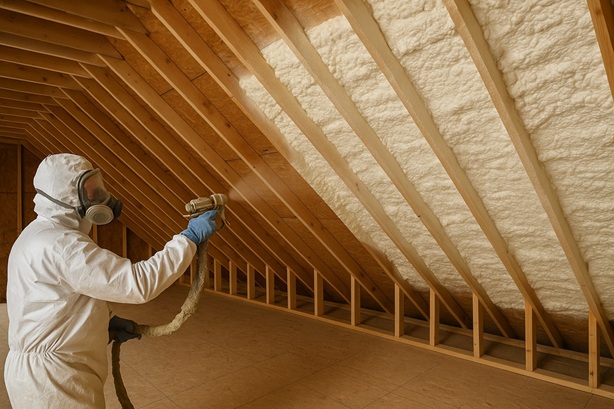
Spray foam insulation is a liquid that expands to seal gaps. It seals gaps and cracks to prevent heat loss and air leaks. This improves a home’s comfort and energy use.
Applying spray foam insulation needs a pro. Spray foam insulation contractors have the skills and tools. They figure out what your home needs and apply the right amount.
Types of Spray Foam Available in Canada
In Canada, there are two main types: closed-cell and open-cell. Closed-cell spray foam is denser and better at resisting moisture. Open-cell spray foam expands more but has a lower R-value.
The right spray foam for your home depends on several things. Climate, budget, and insulation needs are important. For example, colder climates might need closed-cell for better insulation.
How Spray Foam Creates an Air Barrier
Spray foam insulation is great at creating an airtight seal. It fills gaps to stop air leaks, saving energy. This also reduces moisture, which can cause mold and damage.
Compared to traditional insulation, spray foam’s air-sealing is a big plus. Methods like fiberglass batts don’t seal as well, leading to energy loss.
The Connection Between Indoor Air Quality and Insulation
Insulation does more than save energy; it also affects the air we breathe inside. The insulation type in a home can greatly change indoor air quality. It does this by controlling moisture and reducing allergens.
Moisture Control: Insulation plays a big role in controlling moisture. Bad insulation can cause moisture to build up. This creates a perfect spot for mold and mildew to grow. Spray foam insulation, like closed-cell foam, is great at keeping moisture out. This helps keep the air inside clean and healthy.
Getting improved indoor air quality with spray foam insulation can really make a home healthier and more comfortable. It’s important to pick trusted spray foam insulation companies. They should ensure the insulation is installed well, so it works best.
| Insulation Type | Moisture Control | Impact on Indoor Air Quality |
| Spray Foam Insulation | Excellent | Positive |
| Fiberglass Insulation | Fair | Neutral |
| Cellulose Insulation | Good | Positive |
Knowing how insulation affects indoor air quality helps homeowners make better choices. By picking the right insulation, like spray foam, and getting it installed by experts, homes can become healthier places to live.
How Spray Foam Insulation Prevents Mold Growth
Installing spray foam insulation makes homes mold-resistant. It does this through several key ways that stop mold from growing.
Moisture Control Properties
Spray foam insulation controls moisture well, which is key to stopping mold. Experts say, “spraying insulation foam over mold can kill it by blocking out the airflow, but it’s also essential to address the underlying issues that led to the mold growth.” It creates a tight seal, keeping moisture out and reducing mold risk.
In humid areas, spray foam insulation is very helpful. It keeps moisture out, lowering mold risk. This also helps avoid health problems and damage to the home.
Air Sealing Benefits
The air sealing of spray foam insulation is also vital in stopping mold. It seals gaps and cracks, stopping air leaks that let moisture in. This not only lowers mold risk but also makes homes more energy-efficient.
Experts say, “a well-insulated home is not only more energy-efficient but also less prone to mold growth.” Sealing air leaks makes homes more comfortable and healthier.
Temperature Regulation Effects
Spray foam insulation also helps control home temperatures. This reduces condensation, which can lead to mold.
For those searching for spray foam insulation near me, finding a local contractor is key. Spray foam insulation offers many benefits, like better air quality, fewer health risks, and home protection.
Allergen Prevention Through Superior Sealing
Spray foam insulation is great at keeping allergens out. It seals your home tight, stopping tiny allergens like mold spores. This is a big help for people with allergies, as it cuts down on allergen exposure.
Thinking about spray foam insulation cost? Remember, the upfront cost is worth it for the health and energy savings. Even though it’s pricier than other insulation, its lasting quality saves money in the long run. Talk to spray foam insulation contractors to get a quote that fits your home.
Getting spray foam insulation right is key. Skilled contractors make sure it’s applied perfectly, filling all gaps. This boosts your home’s air quality and energy use.
| Benefits of Spray Foam Insulation | Traditional Insulation | Spray Foam Insulation |
| Allergen Prevention | Limited | Highly Effective |
| Energy Efficiency | Moderate | High |
| Durability | Variable | Long-Lasting |
In short, spray foam insulation is a smart choice for keeping allergens out and air quality up. With the right spray foam insulation contractors, you’ll have a healthier home and save money over time.
Canadian Climate Considerations for Spray Foam Installation
Knowing Canada’s climate is key for spray foam insulation to work well. The country’s climate varies a lot, from humid east coasts to dry prairies and cold, wet British Columbia. This means we need to think carefully about how to insulate effectively.
Installing spray foam right can make homes more energy-efficient and cozy. But, Canada’s different climates mean we need to tailor our installation methods.
Regional Installation Requirements
Canada’s regions have their own needs for spray foam installation. For example:
- In humid areas like basements and crawl spaces, closed-cell spray foam works best because it keeps moisture out.
- In cold places, spray foam is great because it keeps temperatures steady. Its high R-value per inch helps a lot.
- In areas with big temperature swings, spray foam’s air-sealing helps cut down on heat loss and energy use.
Seasonal Application Guidelines
The best time to install spray foam insulation in Canada depends on the climate. Seasonal changes affect when it’s best to do the job.
Installing in dry seasons is good because it lets the foam expand and fill gaps better. Also, avoiding extreme weather ensures a tighter seal and better performance.
Local Building Code Compliance
Following local building codes is vital for insulation in Canada. Building codes differ a lot by province and even city. It’s important to know and follow these rules.
Meeting or beating local building code standards means a safe and effective installation. It also ensures the insulation does its job well, saving energy and keeping homes comfortable.
By thinking about these points and picking the right spray foam, Canadians can have homes that are cozy, healthy, and save energy. Spray foam’s ability to control moisture and seal air makes it a top choice for many Canadian climates.
Investment and Long-term Value of Spray Foam Solutions
Spray foam insulation is a long-term solution for homes, making it a valuable investment. Homeowners who choose the best spray foam insulation for their needs can enjoy a comfortable and healthy living space for years to come.
One of the key benefits of spray foam insulation is its ability to create an airtight seal. This is important for preventing mold growth and reducing energy consumption. By selecting reputable spray foam insulation companies, homeowners can ensure they get high-quality products and services.
The long-term value of spray foam insulation lies in its:
- Durability: Lasting for many years without losing its insulating properties.
- Energy Efficiency: Reducing energy consumption by minimizing heat loss and gain.
- Health Protection: Maintaining good indoor air quality by preventing the entry of pollutants and allergens.
According to industry insights, proper ventilation is key to preventing mold growth. Spray foam insulation can help by creating an airtight seal. This not only enhances the healthiness of the indoor environment but also protects the home from moisture-related issues.
Investing in spray foam insulation is a forward-thinking decision that pays off in the long run. It’s essential for homeowners to consider the benefits and choose a solution that aligns with their needs and budget.
Making the Right Choice for Your Home’s Health
Choosing the right insulation is key for your home’s health. Spray foam insulation is a top choice. It keeps your home healthy, comfy, and saves energy.
By learning about spray foam insulation, Canadians can keep their homes safe. If you’re searching for spray foam insulation near me or want to know its benefits, it’s a smart choice for your home and family.
Deciding on spray foam insulation stops moisture from getting in. This lowers the chance of mold and health problems. The right insulation makes your home safer, healthier, and more comfy.
FAQ
What are the benefits of using spray foam insulation in Canadian homes?
Spray foam insulation is great for Canadian homes. It protects against moisture, saves energy, and lasts long. This makes it perfect for our harsh climate.
How does spray foam insulation prevent mold growth?
Spray foam insulation stops mold by sealing your home tight. It keeps moisture out, reducing mold risk. It also controls temperature, which helps prevent mold.
What is the difference between closed-cell and open-cell spray foam insulation?
Closed-cell foam is denser and better at keeping moisture out. Open-cell foam is less dense and lets air pass through.
How do I choose the best spray foam insulation for my home?
Pick the right spray foam insulation based on your climate, budget, and needs. Choose a trusted company for quality products and service.
What are the regional installation requirements for spray foam insulation in Canada?
Installation needs vary by region in Canada. Make sure to follow local building codes for a successful installation.
How does spray foam insulation compare to traditional insulation methods in terms of energy efficiency?
Spray foam insulation is more energy-efficient than traditional methods. It seals your home tight and insulates evenly.
What are the long-term benefits of investing in spray foam insulation?
Spray foam insulation is durable, energy-efficient, and healthy. It ensures a comfortable home for years with the right choice and quality installation.
How can I find reputable spray foam insulation contractors near me?
Search online for “spray foam insulation near me” or “spray foam insulation companies” in your area. Check reviews to find a qualified contractor.