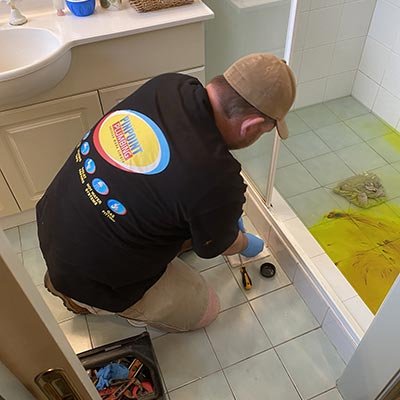
Maintaining clear and functional drains is essential for the smooth operation of both residential and commercial plumbing systems. Clogged pipes can lead to a multitude of issues, ranging from unpleasant odors to structural damage. Understanding how to prevent a blocked drain can save property owners time, money, and inconvenience. In this article, we will explore practical tips to help you maintain your drainage system effectively.
Regular Inspection and Cleaning
The first step in preventing blocked drains is conducting regular inspections. A thorough check enables you to spot potential problems like slow drainage or minor blockages before they escalate. It’s vital to clean your drains routinely, using appropriate tools and techniques to remove build-up that can lead to blockages.
Dispose of Waste Responsibly
One of the primary causes of blocked drains is improper disposal of waste. Ensuring that only suitable materials go down the drain is paramount. Food scraps, fats, oils, and non-decomposable items should never be flushed down sinks or toilets. Always use a strainer to catch solids and dispose of them appropriately in your waste bin.
Be Mindful with Bathroom Habits
Hair and soap residue are among the chief culprits for blockages in bathroom drains. To prevent this, install drain guards or filters in showers and sinks, and clean them regularly. Avoid flushing items such as sanitary products, cotton pads, or wipes down the toilet, even if they are labelled as ‘flushable’.
Adopt Safe Cleaning Practices
Using chemical cleaners might seem like an easy fix, but they can cause more harm than good, potentially damaging pipes and the environment. Opt for natural alternatives, like baking soda and vinegar, to maintain your drains without harsh chemicals. For best results, use hot water to flush through the natural cleaners, aiding in the breakdown of minor blockages.
Garden and Exterior Maintenance
External drains can also be affected by leaves, debris, and even tree roots. Regularly clear your garden and outdoor areas to prevent materials from entering the drainage system. Moreover, ensure guttering is clean and free from obstruction to direct water away properly.
Professional Drain Maintenance
While many preventative measures can be taken by homeowners, enlisting the help of professionals for regular maintenance can be invaluable. A blocked drain specialist can offer thorough cleaning and sophisticated techniques such as CCTV inspections to keep your drains in optimal condition.
Be Cautious of Plant Placement
The root systems of trees and large plants can infiltrate and damage pipes, leading to blockages. Consider the location of planting carefully and monitor existing plant growth to ensure roots are not encroaching on your drainage system.
Educate Household Members
Maintaining clear drains is a collective effort. Educate everyone in the household about the importance of appropriate waste disposal and responsible water usage. Simple steps like scraping plates before washing and reducing the amount of products going down the sink will go a long way in preventing blockages.
Consider Drain Grates and Covers
Installing drain grates or covers is an effective way to catch debris before it enters the drainage system. They are particularly useful in areas like utility rooms or garages where more significant debris could enter the system.
Early Intervention is Key
At the first sign of a problem, such as an unusual odor, gurgling sounds, or slow drainage, take action. Early detection and intervention can prevent a full blockage from occurring. If DIY methods are not enough, contact a professional promptly to address the issue.
Be Knowledgeable About Your Drainage System
Understanding the layout and components of your home’s drainage system can be beneficial. It can help you identify potential problem areas and take proactive measures to protect your drains from blockage.
Regular Upgrades and Replacements
Older pipes and drainage systems may be more prone to blockages due to wear and tear or outdated materials. If your home has an older system, it may be worth considering upgrades or replacements to reduce the risk of blockages.
Avoid Overloading the System
It’s important not to overload your drainage system with excessive water flow, which can be caused by using multiple water-dependent appliances simultaneously. Try to spread out the usage of dishwashers, washing machines, and showers to minimise stress on the system.
Professional Assistance for Recurring Issues
If you are dealing with persistent or recurrent drainage problems, it may be indicative of a more significant issue within your system. In such cases, the assistance of a professional plumber or blocked drain expert is necessary to properly diagnose and resolve the problem.
In conclusion, addressing drainage maintenance with diligence reduces the likelihood of a blocked drain. By applying these essential tips along with regular inspections and maintenance, you can maintain a healthy, blockage-free drainage system. For serious or persistent problems, do not hesitate to contact a professional who can offer expert advice and solutions tailored to your specific situation.