What is a Self-Curing Mortar?
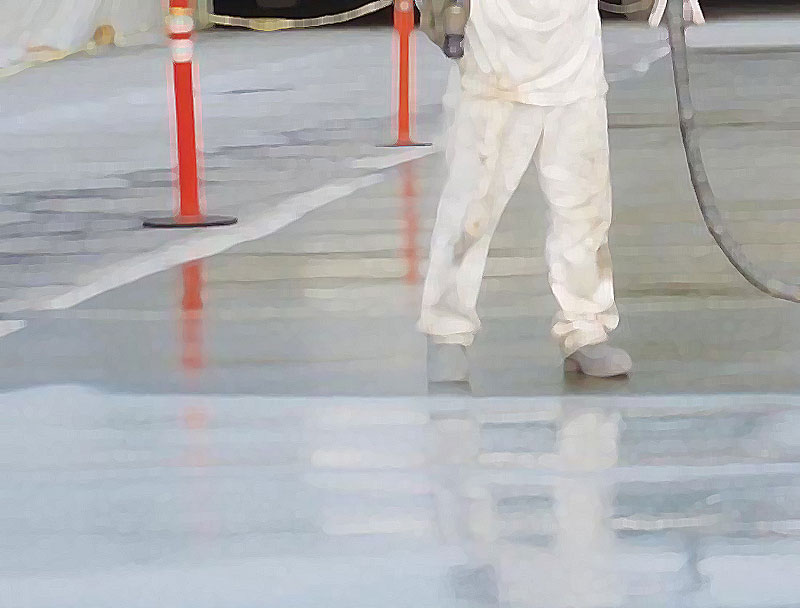
Self-curing mortar is an advanced type of dry mix mortar formulated to retain moisture within the mix, ensuring proper hydration of cement without the need for additional water curing. Unlike conventional mortar, which requires periodic water sprinkling or damp curing for several days, self-curing mortar contains special moisture-retaining compounds that gradually release water during the curing process.
Composition of Self-Curing Mortar
Self-curing mortar typically consists of:
- Cement – Ordinary Portland Cement (OPC) or Portland Pozzolana Cement (PPC) forms the primary binding agent.
- Fine Aggregates – Sand with controlled gradation ensures uniform consistency and workability.
- Moisture-Retaining Additives – Polyethylene glycol, hydro-retentive polymers, or other proprietary compounds allow water retention within the mortar matrix.
- Plasticizers / Superplasticizers – Enhance flow, ease of application, and reduce water demand without compromising strength.
- Mineral Additives – Fly ash, silica fume, or micro-silica may be included to improve durability and reduce shrinkage.
Where is Self-Curing Mortar Used?
Self-curing mortar can be applied across multiple construction scenarios:
- Masonry walls in residential and commercial buildings
- Exterior and interior plastering, including wall and ceiling surfaces
- Concrete patching, repair works, and structural overlays
- Flooring screeds and leveling compounds
- Precast concrete elements and panels
- Water tanks, dams, and other hydraulic structures
- Infrastructure projects requiring faster construction cycles with minimal water use
- Areas prone to water scarcity where traditional curing is difficult
Advantages of Self-Curing Mortar
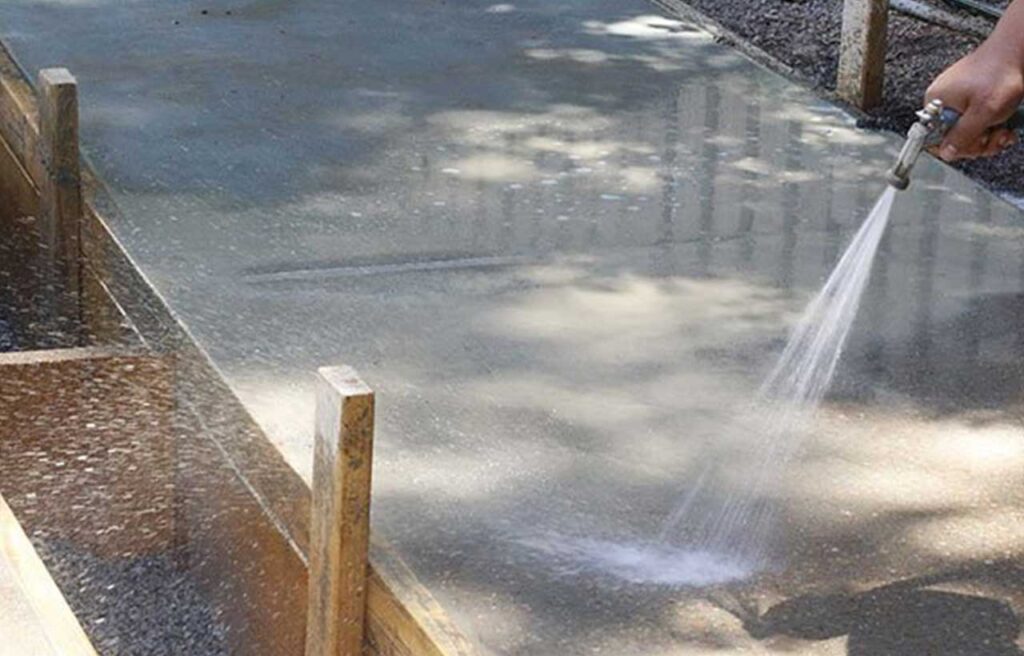
- Water Conservation: Reduces curing water requirements, ideal for water-scarce areas.
- Enhanced Strength: Continuous hydration boosts compressive and tensile strength.
- Reduced Shrinkage: Minimizes cracks from rapid moisture loss.
- Easy Application: No manual sprinkling or protective sheets needed.
- Faster Construction: Speeds up project timelines and lowers labor needs.
- Eco-Friendly: Cuts water use and material wastage.
- Consistent Quality: Ensures uniform finish and structural integrity.
- High Compatibility: Works with masonry, plaster, and modern dry mix systems.
Types of Self-Curing Mortar
1. Cement-Based Self-Curing Mortar:
Traditional cement-sand mortars enhanced with water-retaining agents. Suitable for general masonry and plastering work, this type balances strength, workability, and cost-effectiveness.
2. Polymer-Modified Self-Curing Mortar:
Incorporates polymeric compounds for improved adhesion, flexibility, and water retention. Ideal for exterior plastering, damp-prone areas, and surfaces subject to slight structural movement.
3. High-Performance Self-Curing Mortar:
Formulated for demanding structural applications such as flooring screeds, precast elements, and industrial constructions. Offers enhanced durability, compressive strength, and resistance to chemical or mechanical stress.
4. Ready-Mix Self-Curing Mortar:
Pre-blended packs that require only the addition of water on-site. Convenient for smaller projects, repairs, or DIY applications, offering uniform quality without specialized equipment.
5. Fast-Setting Self-Curing Mortar:
Designed for rapid hardening without external water curing. Particularly useful in repair works, flooring overlays, or high-turnaround construction sites.
Key Considerations for Selecting Self-Curing Mortar
1. Project Type:
Match the mortar type to the intended construction—masonry, plaster, flooring, or repair.
2. Site Conditions:
Assess environmental conditions such as humidity, temperature, and wind exposure, which can influence curing efficiency.
3. Strength Requirements:
Choose based on required compressive and tensile strengths for structural or non-structural applications.
4. Surface Compatibility:
Ensure the mortar adheres effectively to brick, block, concrete, stone, or tile surfaces.
5. Workability:
Consider mixing, pumping, and finishing requirements to ensure ease of application.
6. Water Retention Efficiency:
Evaluate the effectiveness of moisture-retaining additives, especially in arid climates or fast-paced projects.
7. Environmental Impact:
Opt for products with low VOC content and reduced water dependency to align with sustainable building standards.
8. Cost-Benefit Analysis:
Balance the initial investment against long-term savings in water, labor, maintenance, and durability.
Applications in Modern Construction
Residential Construction:
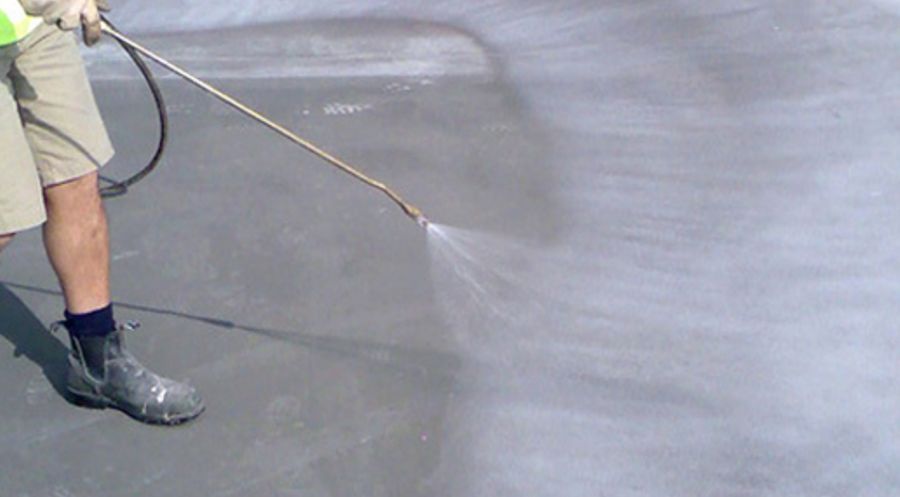
Self-curing mortar is widely used in housing projects, particularly for exterior plastering and masonry, where water conservation is pivotal and aesthetic finishes are required.
Commercial Buildings:
Large-scale offices, malls, and industrial complexes benefit from faster construction cycles and uniform quality achievable with self-curing mortars.
Infrastructure Projects:
Bridges, flyovers, water retaining structures, and highways utilize self-curing mortars to reduce water dependency and maintain structural integrity under harsh environmental conditions.
Water-Sensitive Structures:
Water tanks, swimming pools, and basements gain added protection against cracking and leakage due to sustained hydration provided by self-curing mortar.
Conclusion
Self-curing mortar represents a major advancement in sustainable and efficient construction practices. By combining water retention technology with conventional mortar composition, it ensures superior strength, durability, and crack resistance while minimizing water consumption and labor requirements. As urbanization and infrastructure demands continue to grow, self-curing mortars offer a practical solution for eco-conscious, time-sensitive, and quality-driven construction projects.