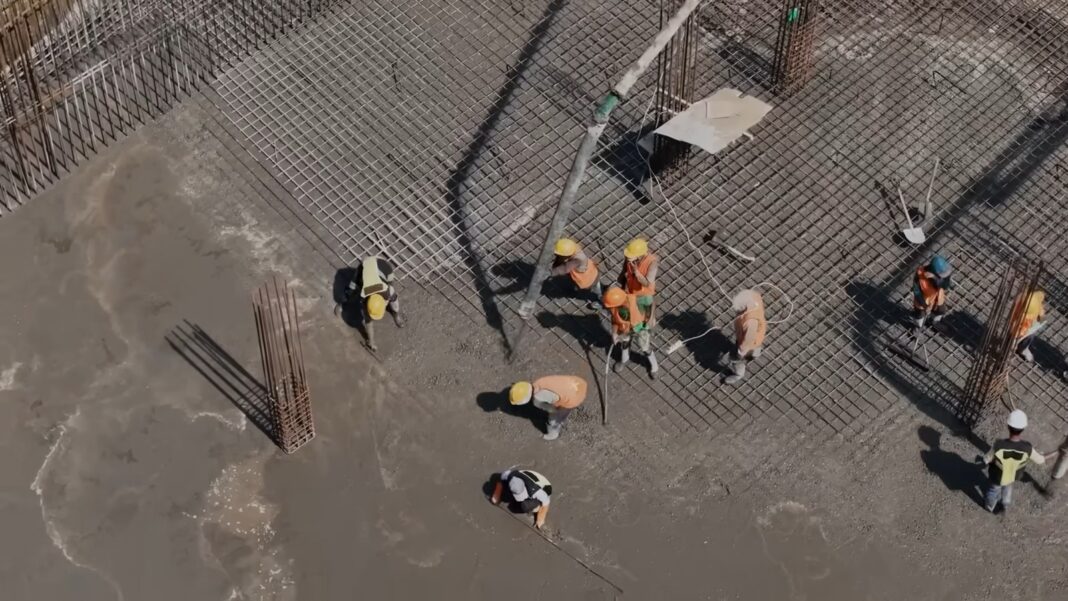
Researchers at the Massachusetts Institute of Technology (MIT) have unveiled a groundbreaking innovation that could transform the future of sustainable infrastructure: energy-storing concrete capable of achieving ten times higher performance than previous versions. This advancement was made possible by switching from traditional water-based electrolytes to organic electrolytes, dramatically improving the material’s voltage capacity and overall energy density.
The concept behind this innovation is known as “supercapacitor concrete.” Unlike ordinary concrete, which functions solely as a structural material, this advanced formulation performs a dual role. It provides mechanical strength while simultaneously storing and releasing electrical energy. This fusion of civil engineering and electrochemistry opens the door to infrastructure that not only supports buildings and bridges but also contributes directly to energy management.
How the Technology Works
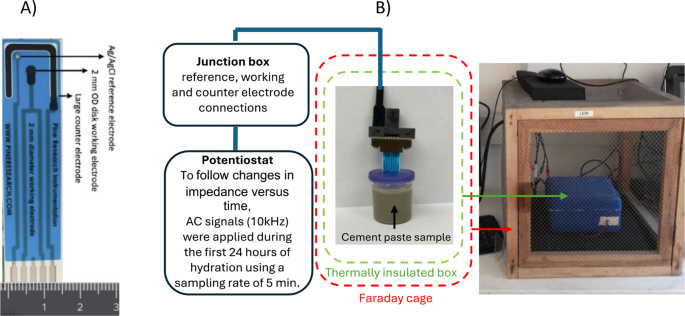
Traditional concrete is composed of cement, aggregates, and water. To transform it into an energy-storing device, MIT researchers incorporated conductive carbon nanostructures—specifically carbon black powder—into the mixture. These particles form an interconnected conductive network within the hardened cement matrix.
This conductive network allows electrons to move through the structure. Meanwhile, concrete’s naturally porous internal structure is used to hold liquid electrolytes. These electrolytes enable the movement of ions within the material. Together, the electron-conducting carbon pathways and ion-conducting electrolyte-filled pores allow the concrete to function as a supercapacitor.
The key breakthrough lies in the transition to organic electrolytes. Water-based electrolytes limit voltage because water decomposes at relatively low voltages. Organic electrolytes, however, allow much higher operating voltages. Since the energy stored in a capacitor increases with the square of the voltage, this shift significantly boosts performance—resulting in a tenfold increase in energy density compared to earlier prototypes.
Importantly, the concrete maintains its compressive strength and structural integrity, ensuring it can still serve as a load-bearing material while providing energy storage capabilities.
Why It’s Not a Battery — And Why That Matters
Energy-storing concrete differs fundamentally from lithium-ion batteries. Batteries store energy through reversible chemical reactions. During charging and discharging, chemical compounds are altered, which can lead to gradual degradation over time.
Supercapacitor concrete, on the other hand, stores energy electrostatically. Electrical charge accumulates on the surface of conductive materials without causing significant chemical changes. This distinction leads to several advantages:
- Rapid charging and discharging: It can charge much faster than traditional batteries.
- Extremely long cycle life: Because there are no major chemical reactions, it can endure far more charge-discharge cycles.
- Lower degradation: Performance remains stable over extended use.
- Improved safety: The absence of volatile chemical reactions reduces risks such as overheating or thermal runaway.
However, there are limitations. Supercapacitors typically have lower energy density than lithium-ion batteries. This means they store less energy per unit volume and are better suited for short bursts of power rather than long-term energy storage.
Therefore, while this concrete will not replace home battery systems anytime soon, it excels in applications that require quick response times and power balancing.
Real-World Applications


Wind Turbine Foundations
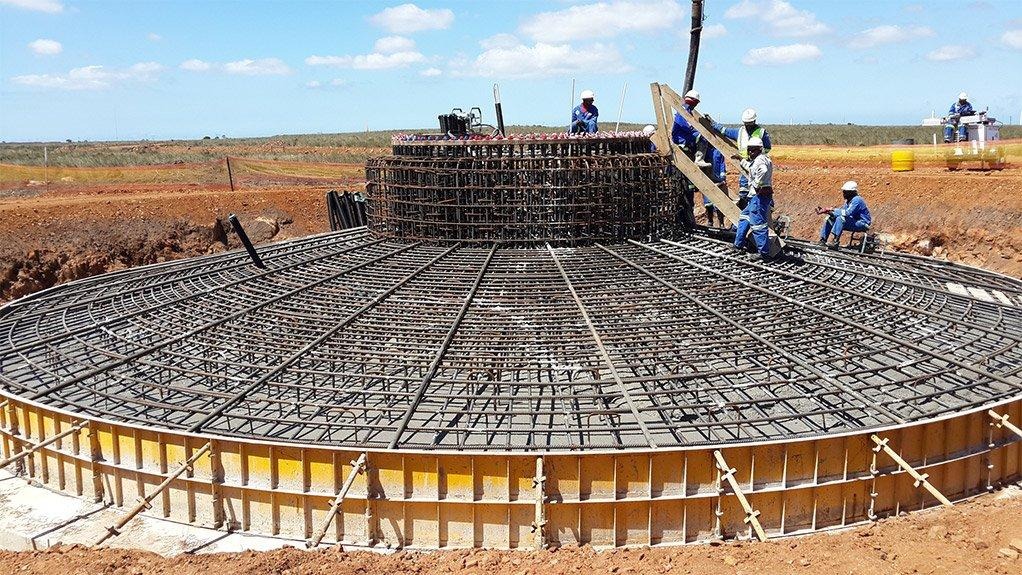
Wind energy production fluctuates constantly due to changing wind speeds. Embedding energy-storing concrete into turbine foundations could help stabilize output. During periods of excess generation, energy could be temporarily stored within the foundation itself and released when output dips. This would reduce reliance on separate battery storage systems.
Industrial Energy Buffering
Manufacturing plants and renewable energy facilities frequently experience short-term power fluctuations. Supercapacitor concrete could provide rapid energy discharge to stabilize voltage and protect sensitive equipment.
Smart Urban Infrastructure
In future smart cities, infrastructure may incorporate this technology into:
- Bridge supports
- High-rise building foundations
- Parking structures
- Highway barriers
Such structures could contribute to localized energy management, improving grid resilience.
Microgrid Integration
In distributed energy systems and microgrids, embedded structural storage could reduce grid stress and enhance reliability during outages or peak demand.
Engineering Challenges Ahead
Despite the promising results, several hurdles remain before large-scale commercialization becomes viable.
Scalability
Producing energy-storing concrete on a mass scale while ensuring consistent carbon dispersion and electrolyte integration is complex. Manufacturing processes must be optimized for cost and quality control.
Durability
Concrete structures are expected to last decades. Researchers must ensure that organic electrolytes remain stable and do not degrade, leak, or compromise structural performance over long periods.
Electrical Integration
Practical implementation requires additional components such as current collectors, conductive terminals, and protective sealants. Integrating these into structural designs without compromising strength presents engineering challenges.
Cost Considerations
While carbon black is relatively inexpensive, the incorporation of specialized electrolytes and electrical components may increase overall project costs. Achieving economic feasibility is essential for widespread adoption.
A Paradigm Shift in Infrastructure Design
The broader significance of this innovation lies in its potential to transform infrastructure from passive energy consumers into active energy participants. Traditionally, buildings and civil structures simply use electricity. In the future, they could store and distribute it.
Imagine skyscraper foundations that buffer renewable energy, highway systems that support grid stability, or wind farms with built-in storage at their base. Such integration could reduce the need for standalone storage facilities, lower system complexity, and improve overall energy efficiency.
The tenfold improvement achieved through organic electrolytes marks a decisive step forward. While further research is required to address durability, scalability, and cost, this breakthrough demonstrates the immense potential of multifunctional construction materials.
As cities grow and renewable energy adoption accelerates, innovations like energy-storing concrete could play an important role in building more resilient, efficient, and sustainable energy ecosystems. Roads, bridges, and foundations may soon do more than support physical loads—they may help power the world itself.
Images- Ziroth