Mastering area warden training is a critical step in building strong emergency preparedness within any workplace. Area wardens play a frontline role during incidents, translating fire safety policies and emergency procedures into decisive action when time is limited. Through structured training, they develop the knowledge and confidence needed to identify risks, coordinate evacuations, communicate clearly under pressure, and support colleagues during fire emergencies or other critical events.
Effective area warden training goes beyond theory, combining practical drills, scenario-based learning, and regular refreshers to ensure readiness in real-world situations. By strengthening leadership, fire awareness, and evacuation management skills, well-trained area wardens help protect lives, minimise property damage, and maintain operational continuity, making them an essential pillar of a safe, resilient, and compliant workplace.
Area Warden Mastery in Practice
Area warden excellence begins with a comprehensive training course that combines fire safety theory with practical, scenario-based drills. In today’s workplaces, area wardens work closely with fire wardens and fire marshals to strengthen workplace safety, implement effective emergency procedures, and ensure orderly, disciplined evacuations across all types of facilities.
By mastering the area warden role, policies are translated into confident action during scheduled evacuations, ensuring team members, Management, and Colleagues know exactly how to respond when every second counts. High-quality Fire Warden (Marshal) Training—such as programs from Training Express, supported by clear YouTube explainers—equips area wardens with the essential fire knowledge and professional skills needed to coordinate people, protect property, and maintain continuity under pressure.
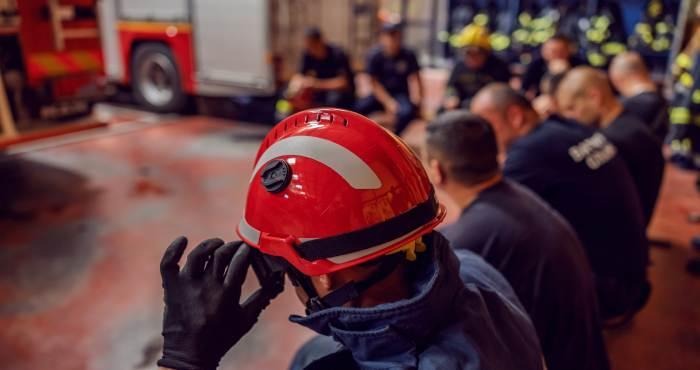
Roles, Responsibilities, and Planning: Key Points
- Area warden duties: Acts as the on-ground lead for a defined zone, ensuring emergency procedures are understood, practiced, and accessible, while briefing new staff, supervising evacuation routes, coordinating with the fire marshal, and documenting training, scheduled evacuations, and exit readiness to protect people and property.
- Compliance and accountability: Implements fire measures in line with workplace safety laws, insurance needs, and Management direction, translating fire marshal policies into action by checking fire doors, escape routes, and alarm audibility.
- Core skills: Requires leadership, hazard recognition, calm response to fire cues, clear communication, accurate documentation, and confidence during evacuations, strengthened through regular training and drills.
- Hazard assessment: Uses clear zoning and fire risk assessments to identify ignition sources, high-risk areas, vulnerable occupants, and evacuation bottlenecks, with area wardens, fire wardens, and fire marshals jointly agreeing on risk controls.
- Resources and equipment: Maintains accurate mapping and readiness of fire equipment, first aid, communication tools, and understands Class C, D, and F fires to apply correct responses without ambiguity.
- Scenario planning: Prepares for incidents ranging from minor fires to worst-case scenarios, defining emergency service liaison, cross-zone support, exit contingencies, and learning outcomes from scheduled evacuations.
- Training approach: Chooses structured Fire Warden (Marshal) Training, such as Training Express programs, supported by YouTube refreshers, but grounded in instructor-led drills and practical assessments.
Communication, Evacuation, and Continuous Improvement
Communication and Coordination
- Area wardens follow pre-defined alerting protocols, confirm alarms, issue clear instructions, and escalate through the chain of command while coordinating with fire wardens and fire marshals for effective multi-zone response.
- A designated liaison provides accurate, timely information to emergency services, including fire conditions, floor layouts, hazardous materials, and personnel status.
- Clear communication via PA systems, radios, or hand signals ensures consistent messaging and prevents misinformation during emergencies.
- Calm, visible leadership and strong crowd-management skills help minimize confusion, maintain order, and keep evacuations moving safely.
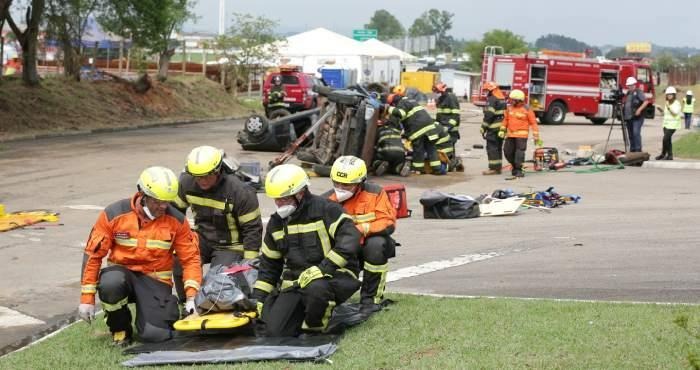
Evacuation and Drill Excellence
- Area wardens supervise primary and secondary evacuation routes, conduct systematic sweeps, support Personal Emergency Evacuation Plans (PEEPs), and manage headcounts at assembly points, with re-entry only approved by emergency services.
- Regular drills and scheduled evacuations test evacuation routes, communication flow, and role clarity across all areas.
- Ongoing practice reinforces evacuation discipline and embeds a proactive fire prevention and workplace safety culture.
- Post-drill reviews identify gaps, improve route efficiency, and strengthen coordination between area wardens, fire wardens, and fire marshals.
Response, Recovery, and Continuous Improvement
- During incidents, area wardens prioritise life safety, guide evacuations, use fire equipment only when trained, and coordinate medical or specialist emergency responses.
- Routine checks of fire equipment, communication tools, and evacuation aids ensure operational readiness at all times.
- Accurate documentation of alarms, drills, and incidents supports compliance, performance tracking, and informed decision-making.
- Structured debriefs and refresher Fire Warden (Marshal) Training drive continuous improvement, reinforce best practice, and sustain long-term preparedness.