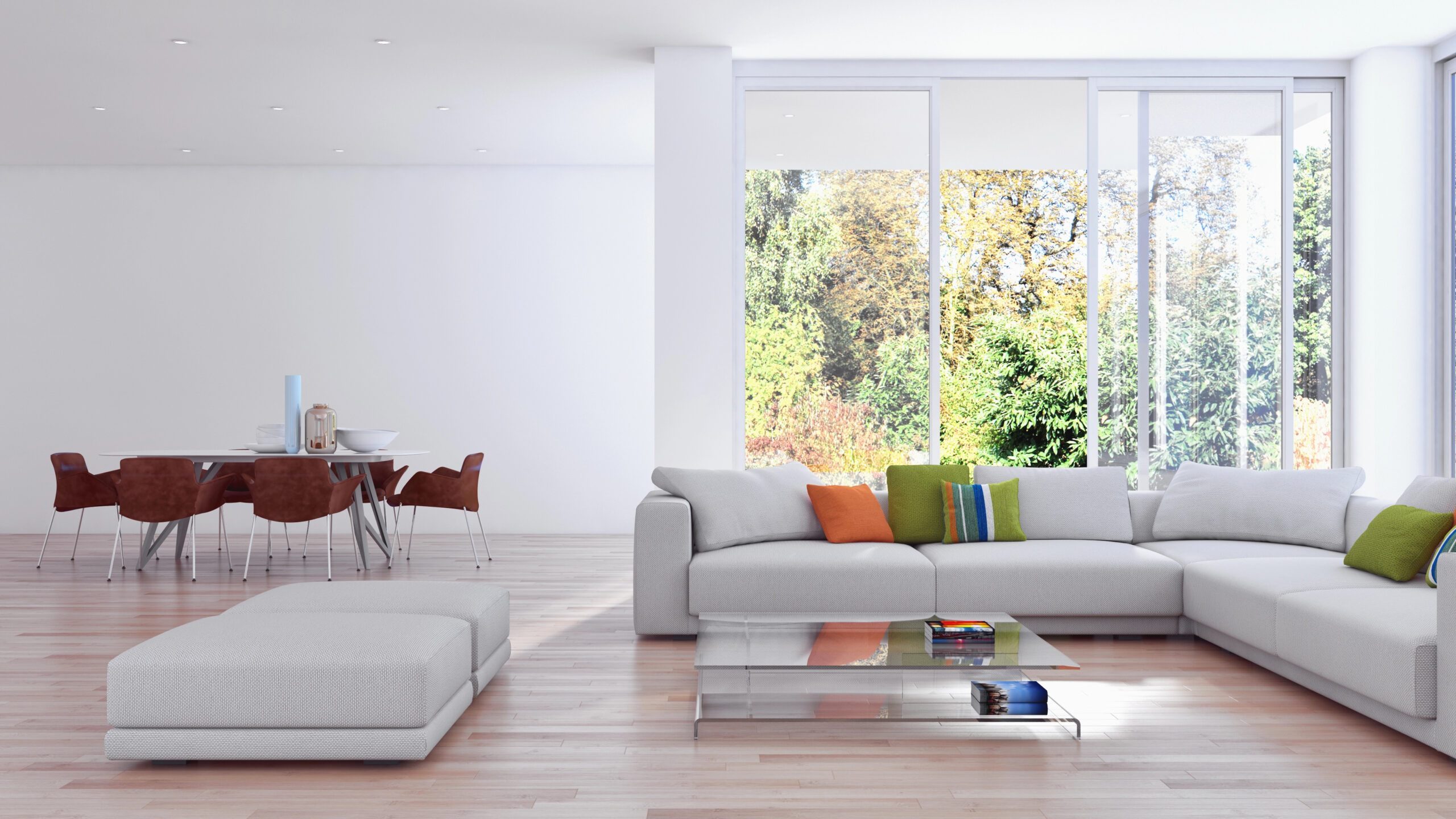
A well-designed home isn’t created all at once. It’s built room by room, decision by decision, with each space reflecting both practical needs and personal taste. While trends come and go, the most inspiring interiors share a common thread: they feel thoughtful, comfortable, and cohesive. No matter the size of your home or your design experience, small, intentional choices can transform how each room looks and functions.
Finding reliable inspiration is often the hardest part. Instead of copying showroom-perfect spaces, many homeowners benefit from practical guidance—like the ideas shared on the popular blog home ideas thehometrotters – that focuses on real homes, real layouts, and real lifestyles. With the right approach, every room can feel designed rather than decorated.
Living room: Design for connection
The living room sets the tone for the entire house. It’s where people gather, relax, and spend the most shared time. Comfort should come first, supported by a layout that encourages conversation rather than blocking it.
Arrange seating to face each other when possible, and use rugs to define the space. Layer lighting with a mix of floor lamps, table lamps, and ambient light to create flexibility throughout the day. A few meaningful decorative pieces—art, books, or textiles—add personality without overwhelming the room.
Kitchen: Balance beauty and efficiency
Kitchens work hardest in the home, so function should guide every design decision. That doesn’t mean sacrificing style—it means choosing materials and layouts that support daily use.
Keep frequently used items within easy reach and store rarely used tools out of sight. Open shelving can work beautifully when styled intentionally, but closed storage helps maintain visual calm. Neutral bases with subtle texture or contrast allow kitchens to feel timeless rather than trend-dependent.
Dining room: Make it adaptable
Whether formal or casual, the dining room benefits from adaptability. Choose a table that suits both everyday meals and occasional gatherings. Chairs should be comfortable enough for long conversations, not just visually appealing.
Lighting is especially important here. A well-placed pendant or chandelier anchors the space, while dimmable lighting helps shift the mood from functional to intimate. Wall art or mirrors can add warmth without crowding the room.
Bedroom: Prioritize rest above all
Bedrooms should feel like retreats. Soft colors, layered bedding, and minimal clutter support relaxation and better sleep. Start with the bed—it’s both the visual and functional anchor of the room.
Avoid over-furnishing. Nightstands, lighting, and storage should be proportional to the room’s size. Textures like linen, wool, and wood add depth without visual noise. The calmer the environment, the more restorative the space feels.
Bathroom: Focus on simplicity
Bathrooms benefit from clean lines and easy maintenance. Simple color palettes, quality fixtures, and thoughtful storage make a big difference in how the space feels.
Use mirrors to enhance light and create the illusion of more space. Even small bathrooms can feel intentional with coordinated hardware, well-chosen lighting, and minimal accessories. Functionality and simplicity go hand in hand here.
Home office: Design for focus
As more people work from home, the home office has become a key design priority. Comfort, lighting, and organization are essential. A supportive chair, adequate desk space, and proper task lighting improve productivity more than any decorative trend.
Keep visual distractions to a minimum. A few personal items can inspire creativity, but clutter quickly undermines focus. Thoughtful storage solutions help maintain both order and style.
Entryway: Set the tone
The entryway is often overlooked, but it plays a crucial role in how a home feels. Even small entry spaces benefit from clear organization—hooks, benches, or slim consoles provide function without taking up much room.
This is also a great place to introduce personality through color, artwork, or texture. A well-designed entry creates a smooth transition between outside and home.
Cohesion across the home
While each room serves a different purpose, cohesion ties the entire house together. This doesn’t require matching furniture or colors everywhere. Instead, aim for consistency in materials, tones, and overall design philosophy.
Repeating elements—such as wood finishes, metal accents, or a core color palette—helps rooms flow naturally into one another.
Inspiration that works in real life
Inspiring interior design isn’t about perfection; it’s about intention. When every room is designed with its purpose in mind and shaped by how you actually live, the result is a home that feels both beautiful and functional.
By focusing on comfort, clarity, and thoughtful details, you can create spaces that not only look good, but genuinely improve everyday life—room by room. Understanding practical factors like renovation cost per square foot nyc also helps ensure your design choices remain realistic, sustainable, and aligned with your long-term living goals.
Img Source : https://depositphotos.com/