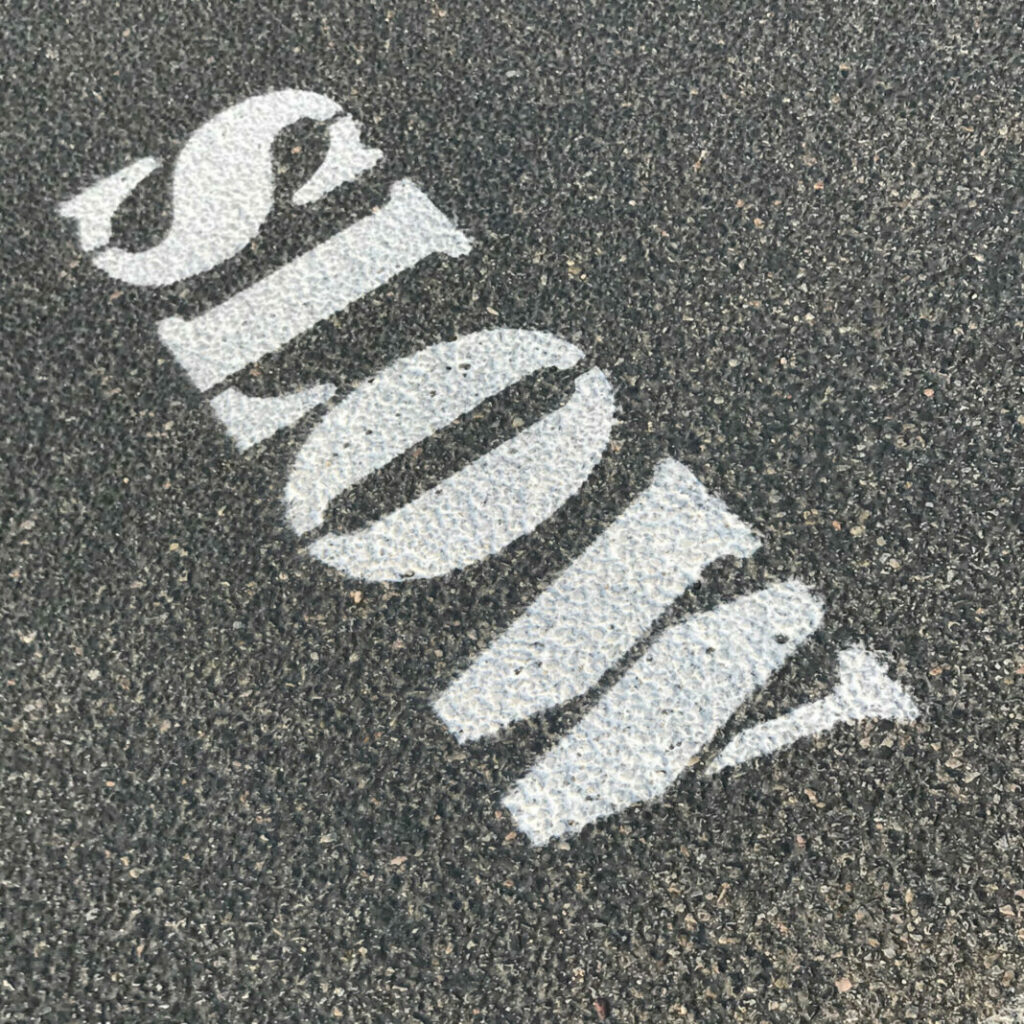
Urban planning shapes how our cities grow and function. It affects everything from roads and parks to buildings and sidewalks. As cities get bigger, planners look for better ways to design spaces that are safe, clear, and easy to navigate. One creative and simple tool used more often today is the stencil.
Stencils are more than just tools for painting signs or lines. They help planners communicate rules, directions, and safety messages directly on the ground.
In this article, we’ll explore how stencils are changing urban planning, how they make cities safer, and how they help create better spaces for everyone-including people with disabilities.
What Are Stencils in Urban Planning?
Stencils are shapes or letters cut out of plastic, metal, or cardboard. When placed on a surface, paint is sprayed or rolled over it. This creates a clear and repeatable mark on the surface, like a symbol, word, or picture.
In urban planning, stencils are used to:
- Mark crosswalks and bike lanes
- Indicate parking areas and traffic zones
- Show directions in public spaces
- Highlight accessibility areas
- Add public art or educational messages
Stencils help planners create designs that are fast, cost-effective, and easy to update or replace.
The Power of Clear Communication
Cities are busy and full of people moving in different ways- walking, biking, driving, and using wheelchairs. Everyone needs clear directions to stay safe and avoid confusion. That’s where stencils help.
Using stencils to paint symbols on roads, sidewalks, and walls helps people:
- Find where to park
- Understand traffic flow
- Stay in the right lane
- Know where it’s safe to walk or cross
For example, arrows can show traffic direction. Symbols can tell bikers where to ride. Bright colors can warn people about school zones or no-parking areas. Stencils keep these signs clear and readable.
Improving Safety for Pedestrians and Cyclists
Cities today are making more space for people who walk or bike. This shift means planners need to guide these users clearly and safely through the city.
Stencils are used to:
- Mark dedicated bike lanes
- Indicate shared-use paths
- Show where people should yield
- Place clear warnings at crossings or busy roads
This helps reduce crashes and confusion. People feel safer when they know exactly where to go.
Also, cities often repaint these paths each year. Since stencils can be used again and again, they save time and money for city workers.
Helping with Parking and Traffic Control
Parking can be confusing, especially in crowded urban areas. Stencils help by marking spaces with clear signs. They can show:
- Where to park cars, bikes, or scooters
- Loading zones for deliveries
- Handicap-accessible spaces
- Time limits or restrictions
ADA compliant handicap stencils are especially important. They clearly mark spaces for drivers with disabilities, using easy-to-see blue and white symbols. These stencils make sure cities follow the Americans with Disabilities Act (ADA), which ensures public spaces are fair and accessible.
Without these stencils, drivers might miss signs, and people with disabilities may not get the access they need.
Stencils for Accessibility and Inclusion
Urban planning must work for everyone. That includes children, seniors, and people with disabilities. Stencils can help make public spaces more welcoming and inclusive. Here’s how:
- Tactile ground markers
- Wayfinding symbols
- Accessible route signs
These stencil markings are low-cost, but they make a big difference in how people move around and feel included in public spaces.
Environmental Benefits of Using Stencils
Stencils also support green urban planning. Instead of putting up plastic signs that might break or need power (like lighted signs), cities can paint important messages directly on the ground or walls. Some environmental benefits include:
- Less waste broken signs to replace
- Less material used, only paint and stencil needed
- Easy to repaint when worn out
Many cities now use eco-friendly paints that are safer for workers and the environment. These paints, paired with reusable stencils, make for a greener choice in city design.
Stencils as Tools for Public Art
Urban planning isn’t just about rules- it’s also about making cities beautiful and enjoyable. Stencils are now used to create public art, colorful walkways, and murals. Art created with stencils:
- Adds color to dull or gray spaces
- Encourages community pride
- Helps prevent vandalism
- Shares messages about health, nature, or history
In some cities, local artists partner with planners to design unique stencils for sidewalks, bus stops, or underpasses. These designs often include symbols of the community’s culture or heritage, making neighborhoods feel more connected and personal.
Quick Installation and Cost Efficiency
Compared to installing metal signs or building raised walkways, stencils are a great option for cities with tight budgets. They allow cities to pilot or test new ideas before committing to big changes. If the layout doesn’t work, it’s easy to remove or repaint.
Stencils in Temporary Urban Design
Cities sometimes use temporary planning to test new layouts. For example, during special events or street closures, they might create:
- Pop-up bike lanes
- Outdoor dining zones
- Walkable festival streets
Stencils help mark these areas quickly and clearly. They are perfect for events where space needs to be flexible. Once the event is over, the paint can be removed or painted over.
During the COVID-19 pandemic, many cities used stencils to show social distancing reminders or to mark walking zones in public areas. This shows how versatile and timely stencil use can be.
The Future of Stencils in Urban Planning
As cities adopt smart technology, grow in population, and become more focused on safety and sustainability, stencil use is expected to grow and improve in new and exciting ways. In the future, we may see:
- Glow-in-the-dark or solar-powered paint
- Interactive designs
- Augmented reality (AR)
- Community-designed stencils
With these advancements, stencils will continue to evolve from simple road markings into powerful tools for smart, sustainable, and inclusive city planning. They’ll be used in new ways to improve how we move, connect, and live in our communities.
Smart Design for Better Cities
Urban planning is about making cities better for everyone. Whether guiding traffic, marking safe paths, or adding beauty to the streets, stencils play a key role in how cities work and feel.
They are easy to use, cost-effective, and adaptable. Most importantly, they help planners build cities that are safe, accessible, and welcoming.
Tools like ADA-compliant handicap stencils ensure fairness and legal compliance while also making life easier for people with disabilities. From improving walkability to supporting community art, stencils are helping shape the future of urban life.
Got questions? We’ve got answers! Check out our blog for loads of interesting and helpful content today!