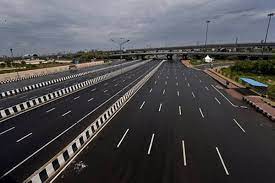
According to officials from the transport ministry, the sector faced a brief slowdown last year due to the postponement of a significant highway initiative. Nevertheless, this year has already witnessed the awarding of projects valued at ₹2 lakh crore, with an additional ₹5 lakh crore anticipated by March.
Officials have stressed that the project awarding process is being carried out transparently, adhering to strict timelines, and without any funding limitations. The government’s long-term objective is to enhance execution to achieve the target of constructing 100 kilometres of highway daily—a rate nearly three times faster than the former record of 37 kilometres per day.
This extensive development is expected to enhance intercity connectivity, lower logistics expenses, and directly bolster India’s manufacturing and export competitiveness. In addition to the sheer scale of the initiative, the new strategy seeks to incorporate sustainability. The transport ministry is collaborating with the industry to promote the use of alternative fuels in construction machinery, including offering interest-free loans to manufacturers who create machines powered by biofuels, flex engines, or other clean technologies.
Officials are also contemplating a waiver on one-time taxes for the registration of such equipment, acknowledging its significance in minimizing the sector’s carbon footprint. Experts highlight that India imports fuel worth ₹22 lakh crore each year, a substantial portion of which is utilized by the transport sector.
Shifting to alternative fuels in both vehicles and heavy machinery could yield considerable savings, reduce emissions, and lessen reliance on foreign energy sources. This approach aligns with India’s climate commitments and the broader vision of establishing low-carbon, resilient infrastructure systems.
The drive for road expansion will also invigorate the construction equipment market, which is vital for project execution. The introduction of cleaner, domestically developed machinery could further establish India as a global provider of sustainable construction technology. Industry analysts suggest that the integration of green technology into operations will significantly enhance the sector’s efficiency and environmental performance.