Termites are often called “silent destroyers” for good reason. These tiny insects can wreak havoc on a home’s structural integrity long before their presence becomes obvious. By the time visible damage appears, the infestation may already be extensive and costly to repair. That’s why recognizing the early signs of termite activity is crucial. Acting quickly can save homeowners thousands of dollars and prevent long-term structural issues. This article explores the subtle clues that termites may be invading your space and how to respond before it’s too late.
The Hidden Nature of Termite Damage
Unlike other pests, termites don’t leave behind obvious messes or make noticeable sounds. They burrow deep into wood, feeding on cellulose and hollowing out beams, floors, and furniture from the inside. Because they operate in concealed environments—behind walls, under floors, and within foundations—their damage often goes unnoticed until it becomes severe. This stealthy behavior makes early detection both challenging and essential.
Termites typically enter homes through underground tunnels or cracks in the foundation. Once inside, they establish colonies and begin feeding. The longer they remain undetected, the more extensive the damage becomes. Understanding their behavior and knowing where to look can make all the difference.
Telltale Signs in Wood and Walls
One of the earliest indicators of a termite infestation is wood that sounds hollow when tapped. Termites consume wood from the inside out, leaving only a thin outer shell. This means that beams, floorboards, or furniture may appear intact but are structurally compromised. Tapping these surfaces with a screwdriver or knuckle can reveal a hollow sound, suggesting internal damage.
Another sign is blistering or bubbling paint on walls. This can occur when termites tunnel close to the surface, disturbing the paint layer. In some cases, walls may appear warped or swollen, mimicking water damage. These visual cues often go unnoticed or are mistaken for other issues, allowing termites to continue their destruction unchecked.
Mud Tubes and Entry Points
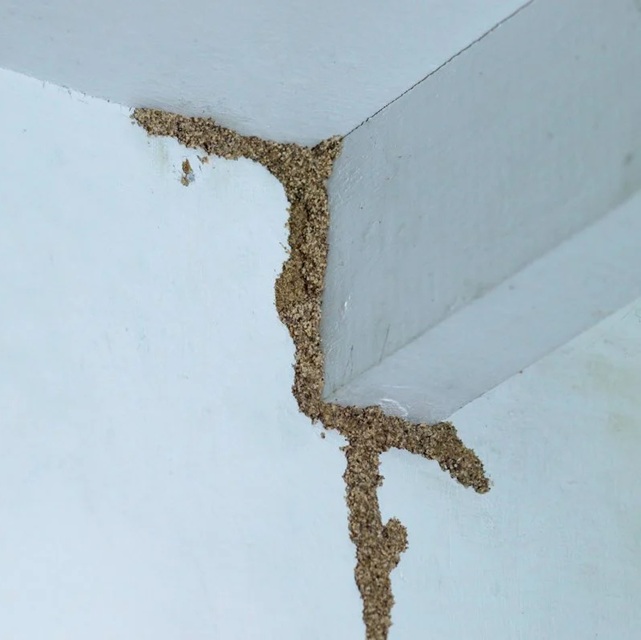
Subterranean termites build mud tubes to travel between their colony and food sources. These pencil-sized tubes are typically found along foundations, walls, or crawl spaces. They provide moisture and protection for termites as they move through dry environments. Spotting mud tubes is a strong indication of active infestation and should prompt immediate inspection.
Cracks in the foundation, gaps around plumbing, and poorly sealed windows or doors can serve as entry points for termites. Regularly inspecting these areas for signs of tunneling or debris can help catch infestations early. Termites often exploit weaknesses in a home’s exterior to gain access to interior wood structures.
Discarded Wings and Swarmers
During mating season, reproductive termites—known as swarmers—leave their colony to establish new ones. After finding a mate, they shed their wings, which are often left behind near windowsills, doorways, or light fixtures. These discarded wings are a clear sign that termites are nearby and actively expanding their presence.
Swarmers resemble flying ants but have straight antennae, uniform wings, and a thicker waist. Spotting these insects indoors is a red flag, especially if they appear in large numbers. Their presence suggests that a mature colony exists within or near the home, and immediate action is necessary to prevent further spread.
Frass and Termite Droppings
Drywood termites produce frass—tiny wood-colored droppings that resemble sawdust or coffee grounds. These pellets are often found near infested wood or in small piles on floors and windowsills. Unlike subterranean termites, drywood termites live entirely within the wood they consume, pushing frass out through small holes.
Finding frass is a strong indication of drywood termite activity. It suggests that termites have been feeding for some time and that the infestation may be well established. Because frass is often mistaken for regular dust or debris, it’s important to examine it closely and consider its source.
Stiff Doors and Windows
Termites can cause wood to warp, making doors and windows difficult to open or close. This occurs when moisture from termite activity affects the surrounding wood, causing it to expand or shift. If doors or windows suddenly become misaligned or require extra force to operate, it may be due to hidden termite damage.
This symptom is often overlooked or attributed to seasonal changes. However, when combined with other signs—such as hollow wood or frass—it points to a deeper issue. Monitoring changes in how doors and windows function can help detect infestations before they escalate.
What to Do If You Suspect Termites
If you notice any of these signs, it’s essential to contact a licensed pest control professional like Elite pest and termite control. Termite infestations require specialized treatment, and over-the-counter solutions are rarely effective. Professionals can conduct a thorough inspection, identify the species involved, and recommend appropriate treatment options.
Early intervention is key. The longer termites remain undetected, the more damage they cause. Scheduling regular inspections—especially in older homes or termite-prone areas—can help catch problems before they become serious. Prevention, vigilance, and prompt action are the best defenses against these destructive pests.
Conclusion: Stay Ahead of the Silent Destroyers
Termites may be small, but their impact is enormous. By learning to recognize the early signs of infestation—such as hollow wood, mud tubes, discarded wings, and frass—homeowners can protect their property and avoid costly repairs. Don’t wait for visible damage to take action. Stay alert, inspect regularly, and consult professionals at the first sign of trouble. Your home’s safety depends on it.