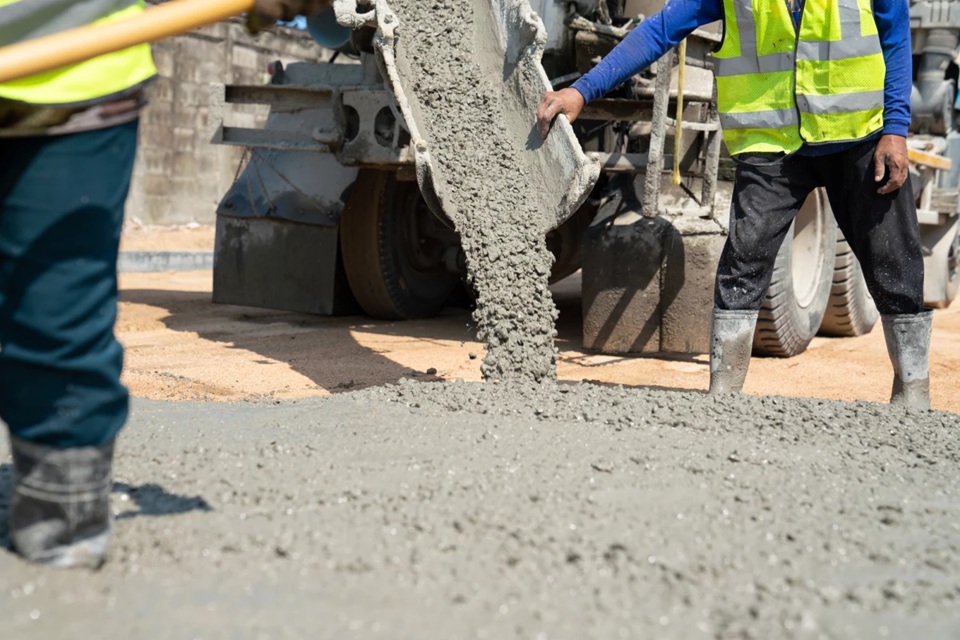
If concrete is known for strength and durability, why do some slabs in Lafayette, Louisiana struggle to last as long as expected in the first place?
Most people assume concrete performance depends mainly on the contractor or the mix quality. But a more crucial question sits in the background: what if the local climate is quietly influencing every step of the process, from pouring to curing to long-term stability? Many property owners only connect those dots after seeing early cracks or movement. That is exactly why experienced local crews, including T&T Lafayette Concrete Contractors, often plan projects around weather patterns as much as construction specs.
In Lafayette, climate is not a side factor in concrete work. It is a condition every slab must live with from day one.
Humidity Changes How Concrete Cures
Concrete does not simply dry. It cures through hydration, a chemical reaction between cement and water. Lafayette’s high humidity can slow surface drying, which sounds helpful but introduces its own challenges.
When moisture lingers on the surface, finishing must be timed carefully. Finishing too early while bleed water is still present can weaken the top layer. In our work, we have seen surfaces that later dust or scale because finishing happened at the wrong moment.
Guidance from the American Concrete Institute emphasizes that curing conditions directly affect strength and durability, and official engineering education resources note that maintaining proper moisture and temperature during curing is essential for achieving desired concrete strength and durability. This is not just technical detail. It determines how long a slab truly lasts.
Why it matters: curing quality influences cracking resistance, surface integrity, and long-term performance.
Heat Accelerates Setting and Raises Risk
Lafayette’s warm weather speeds up setting times. High temperatures increase evaporation, which reduces workability and can lead to shrinkage cracking.
Faster setting can shorten schedules, but it reduces margin for error. Contractors may need admixtures, chilled water, or early morning pours to maintain control.
A common mistake is using the same mix and schedule year-round. Hot weather concreting requires different planning. Data from the National Oceanic and Atmospheric Administration shows southern Louisiana frequently experiences high heat and humidity, which makes climate-adjusted practices essential rather than optional.
Rainfall and Drainage Shape Performance
Lafayette receives substantial rainfall compared to many parts of the country. Frequent storms and high groundwater levels affect supporting soils.
Concrete is strong, but if the soil beneath it weakens when saturated, the slab can settle or move. Many people assume the concrete failed when the true problem is soil support.
Based on experience, projects that include proper grading and runoff control perform far better. Slopes that guide water away from slabs and well-prepared bases reduce long-term issues.
Why it matters: water is often the hidden driver behind cracking and settlement.
Soil Moisture Cycles Create Movement
Many Louisiana soils contain clays that expand when wet and shrink when dry. This movement transfers stress to concrete above.
Concrete can handle some movement if designed correctly. Reinforcement, adequate thickness, and strong base preparation help manage these forces.
The tradeoff is straightforward. Better preparation costs more upfront but reduces repair risk later. A lower initial price sometimes means higher long-term cost.
Resources from the LSU AgCenter frequently discuss how local soils respond to moisture. T&T Lafayette Concrete Contractors also discussed how soil and weather impact your concrete foundation. These patterns are well documented and should inform construction decisions.
Timing Is a Structural Decision
Climate affects when work should happen, not only how. Pouring during extreme heat, right before heavy rain, or on saturated soil increases risk.
We have seen projects benefit simply from waiting for better conditions. A short delay can improve curing and stability significantly.
A frequent mistake is prioritizing calendar convenience over environmental conditions.
How Climate Shapes Contractor Services
In Lafayette, climate-aware concrete services often include climate-adjusted mix designs, careful scheduling, attention to curing methods, and strong emphasis on drainage and grading.
These are not luxury upgrades. They are responses to local environmental realities. Concrete that ignores climate often shows problems sooner.
To learn more, explore how you can maximize concrete durability through expert planning and project knowledge.
Guiding Toward Smarter Decisions
Property owners do not need deep technical knowledge, but asking informed questions helps. Ask how weather affects scheduling. Ask how curing is managed. Ask how drainage is planned.
Clear, confident answers usually reflect thoughtful preparation. Vague responses often suggest a generic approach.
Smarter decisions come from recognizing that climate is part of the design, which is why concrete material innovations shaping construction practices in 2025 are redefining durability and performance.
Clear Takeaway for Lafayette Property Owners
Concrete in Lafayette performs best when heat, humidity, rainfall, and soil moisture are considered from the start. Ignoring these factors increases the risk of cracking, settlement, and surface wear.
A practical next step is to observe how water flows on your property and discuss climate-related planning before construction begins. That awareness alone prevents many common issues.
Concrete that respects local climate conditions tends to last longer and behave more predictably. That is a matter of science and field experience. Consult professional concrete contractors to ensure the durability and longevity of your concrete structures, even in Lafayette’s challenging climate.