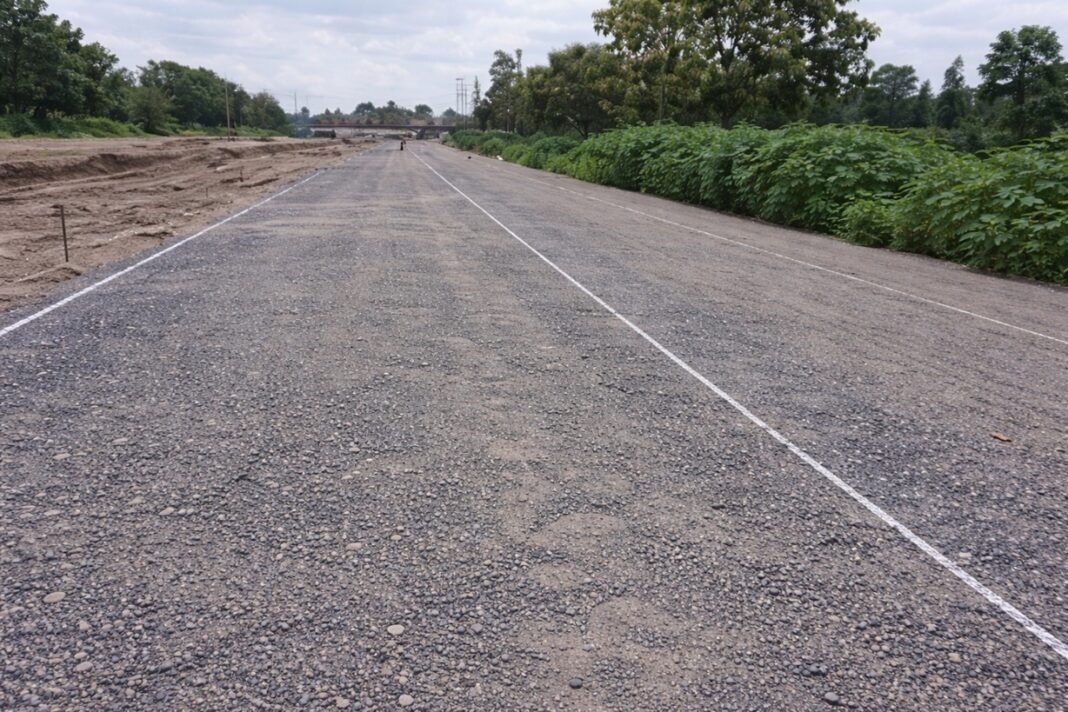
The Granular Sub-Base (GSB) layer is an essential part of road pavement structures. It lies between the natural subgrade and the upper base course, forming a strong and stable platform that supports subsequent layers. The GSB layer plays a crucial role in distributing traffic loads, preventing deformation of the pavement, and improving drainage.
Modern road engineering demands high-quality materials and construction practices to ensure long-lasting pavements. Roads with poorly constructed GSB layers often experience early distress, including rutting, potholes, and settlement. Therefore, understanding the materials, construction methods, and quality control measures for GSB is important for civil engineers and contractors.
Objectives of the GSB Layer
The primary function of a GSB layer is to provide structural support and a stable platform. In addition, it improves the road’s drainage properties, reduces the effects of frost action in colder regions, and prevents fine subgrade particles from rising into the upper layers.
- Stability: Provides a strong base for construction equipment and subsequent layers.
- Load distribution: Transfers traffic loads from the surface layers to the subgrade evenly.
- Drainage enhancement: Reduces water accumulation that can weaken the pavement.
By performing these functions, the GSB layer significantly extends the life of the road.
Materials Used in GSB
GSB construction requires well-graded granular materials. Commonly used materials include crushed stone, gravel, sand, moorum, and in some modern projects, recycled aggregates from demolition or road recycling.
The gradation of the material is crucial; it must include a balance of coarse and fine particles to allow maximum compaction and stability. Typical grading types, as per standards like MoRTH or IRC, range from Grading I to Grading VI. Material properties such as California Bearing Ratio (CBR), plasticity index, Los Angeles abrasion value, and flakiness index determine the suitability of the aggregates for road construction.
- CBR should generally be 30% or higher
- Low Plasticity Index ensures the material remains non-plastic under moisture variations
Selecting the correct materials is essential to prevent premature failure of the pavement.
Construction Methodology
The first step in GSB construction is preparing the subgrade. All vegetation, organic matter, and loose soil must be cleared, and the subgrade shaped to the desired camber and gradient. Compaction should follow, with moisture content adjusted to the Optimum Moisture Content (OMC). Survey instruments ensure the surface is at the correct level and slope.
Once the subgrade is ready, materials are selected, transported, and checked for quality. Laboratory testing confirms that aggregates meet required gradation and CBR values. On-site handling is important to prevent segregation of coarse and fine particles.
After transportation, the spreading process begins. Materials are spread uniformly using motor graders. For thicker GSB layers, multiple layers are applied, each compacted separately. Small bullets are useful here:
- Maintain specified layer thickness
- Avoid segregation of coarse and fine particles
- Use string lines or templates to control levels
Moisture conditioning is performed by sprinkling water over the layer and mixing it thoroughly. Achieving the correct moisture ensures that compaction reaches the maximum dry density. Excess or insufficient moisture can significantly reduce the structural strength.
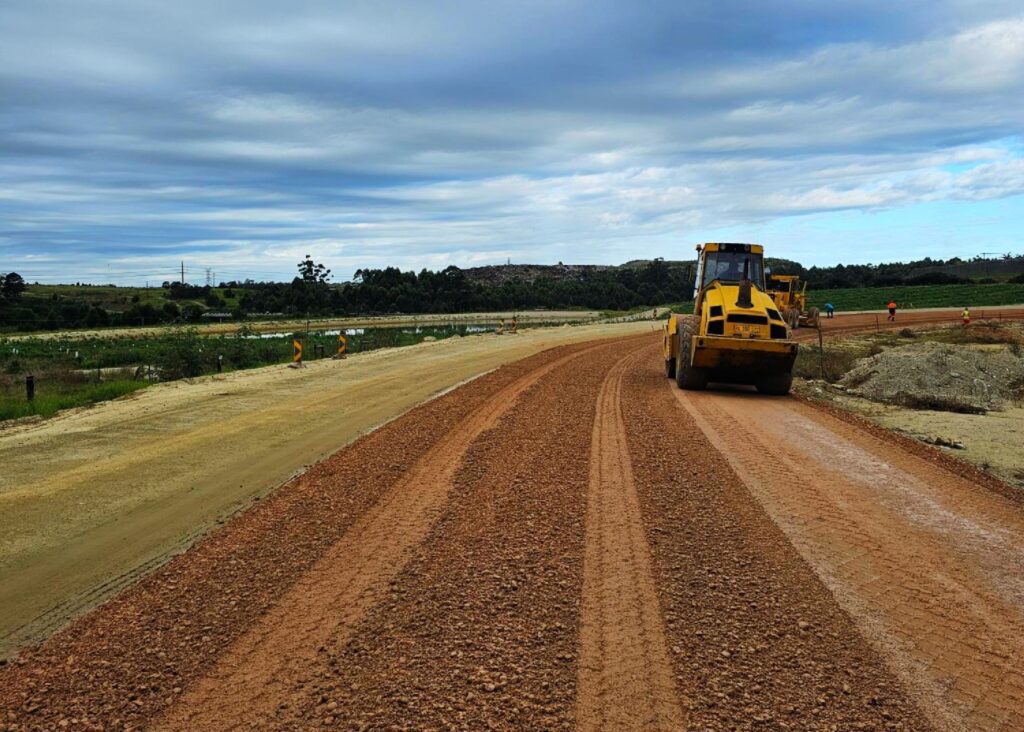
Compaction is carried out using vibratory rollers. Rolling is performed from edges toward the center with overlapping passes until the desired density is achieved, typically 98% of Maximum Dry Density (MDD). Proper compaction prevents settlement and improves the layer’s load-bearing capacity.
Quality control is essential throughout the process. Tests include field density measurement (sand replacement or core cutter method), moisture content verification, and checking the grading of materials. The surface is also inspected for levels, camber, and smoothness, ensuring it is ready for the next pavement layer.
Finishing involves trimming the surface, removing loose particles, and providing a smooth, even finish. This ensures that the next layer, whether it is Wet Mix Macadam (WMM) or bituminous base, can be placed efficiently without defects.
Thickness of GSB Layer
The thickness of the GSB layer depends on traffic intensity, subgrade strength, and pavement design. For rural roads, the thickness generally ranges from 100–150 mm, while for high-volume highways, it ranges from 200–300 mm, applied in multiple layers. Proper thickness ensures adequate support and longevity.
Advantages of GSB Layer
The GSB layer provides multiple benefits. It distributes loads evenly, reduces deformation, and improves drainage. It also provides a workable platform for construction equipment and helps prevent the subgrade from pumping fines into the pavement. Overall, it is a cost-effective solution that enhances pavement performance and lifespan.
- Extends pavement life
- Reduces rutting and settlement
- Provides efficient drainage
Equipments Required
Motor Graders
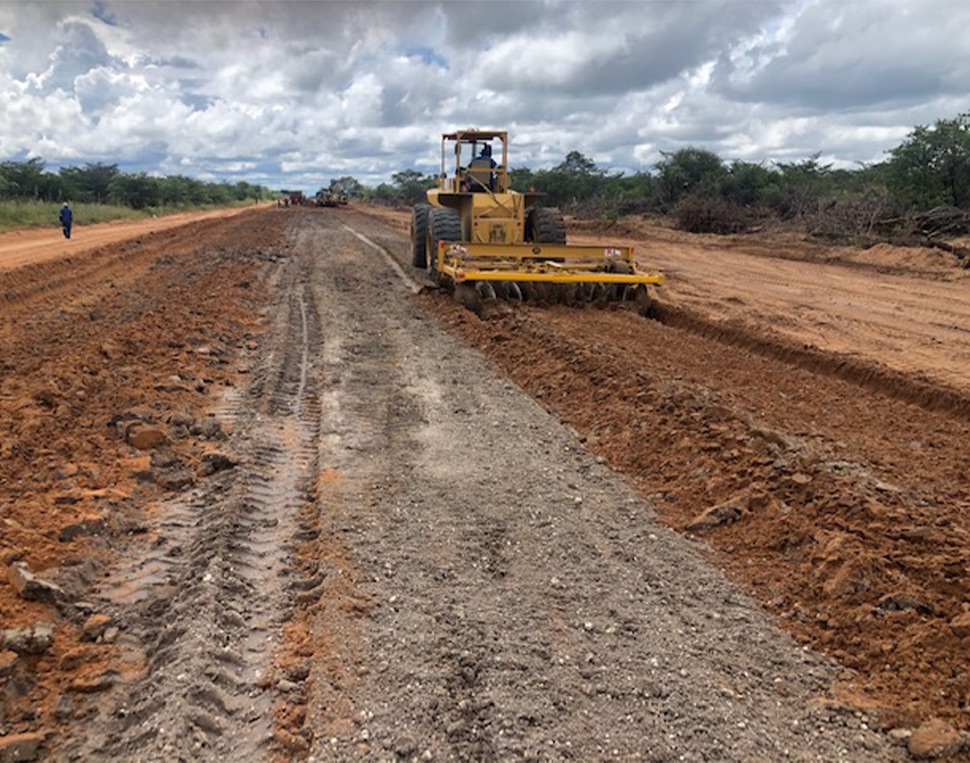
Motor graders are used to spread the granular material uniformly across the subgrade. They help maintain the desired level and slope of the GSB layer, ensuring even thickness and preventing uneven spots that can lead to pavement failure. Accurate grading is important to achieving a smooth and stable base for subsequent layers.
Vibratory Rollers
Vibratory rollers, typically 8–10 tons or more, are employed to compact the GSB material to the required density. They use a combination of static weight and vibration to achieve maximum compaction, which is essential for the structural strength and stability of the road. Proper rolling patterns and multiple passes ensure uniform compaction across the layer.
Water Tankers
Water tankers with controlled spray systems are used to maintain the optimum moisture content of the GSB material. Adequate moisture is necessary for effective compaction and to prevent the layer from becoming unstable or dusty. Uniform water application ensures that the material achieves its maximum dry density.
Dump Trucks or Tippers
Dump trucks or tippers transport the granular material from the quarry or stockpile to the construction site. Efficient transportation minimizes delays and prevents material segregation. Proper handling during loading and unloading is important to maintain material quality.
Excavators or Loaders
Excavators or loaders assist in handling, spreading, and leveling aggregates at the site. They are particularly useful for unloading material from trucks, moving it to specific areas, and preparing it for grading and compaction. These machines improve efficiency and reduce manual labor.
Common Problems and Solutions
Some common issues encountered during GSB construction include:
- Segregation of aggregates, which reduces strength. Proper mixing and careful handling prevent this.
- Improper compaction, leading to weak spots. Maintaining correct moisture and adequate rolling resolves this.
- Excessive moisture, which destabilizes the layer. Moisture should be monitored and controlled.
- Poor drainage, which can cause water accumulation and premature pavement failure. Designing proper cross slopes and drainage channels mitigates this risk.
Regular quality checks, supervision, and adherence to standards like MoRTH and IRC minimize these problems.
Safety Considerations
Worker safety is essential. All personnel should wear PPE, including helmets, gloves, and reflective vests. Heavy machinery must be operated safely, and site dust should be controlled using sprinklers. Clear signage and barricades prevent accidents and ensure smooth workflow.
Modern Practices
Modern road projects incorporate innovations to improve efficiency and sustainability. Recycled aggregates reduce environmental impact, while GPS-controlled graders and intelligent compaction systems enhance precision. Mechanized methods speed up construction while maintaining high-quality standards.
Conclusion
The Granular Sub-Base layer is the backbone of a durable road. Proper construction – including subgrade preparation, material selection, spreading, moisture control, and compaction – is important to long-term performance. Attention to quality control, modern equipment, and innovative practices ensures a strong, stable, and long-lasting pavement that can withstand heavy traffic and environmental challenges.
Image Credit: constructioncivil.com, gardenroute.gov.za, kl.com.na