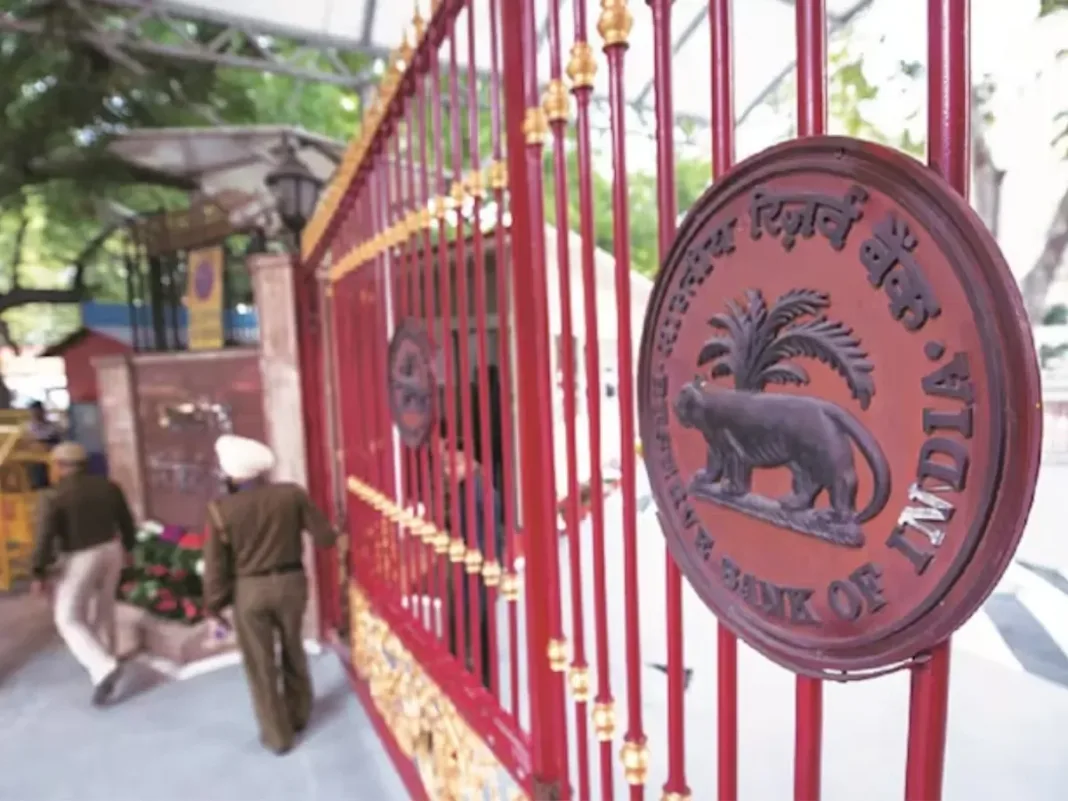
The Indian housing sector is poised for significant growth in FY 2025-26 as industry experts anticipate further reductions in the Reserve Bank of India’s (RBI) repo rate in the upcoming monetary policy review. A potential rate cut is expected to make home loans more affordable, increasing accessibility for prospective buyers and driving stronger demand across various housing segments. Lower borrowing costs will make home purchases easier, especially for first-time buyers and those upgrading their homes.
With urbanization accelerating and the demand for quality housing rising in both metro and Tier II cities, favorable lending conditions could further propel the housing sector’s momentum. A lower interest rate environment not only enhances affordability but also improves loan eligibility, encouraging greater participation from homebuyers and investors alike. Industry stakeholders are optimistic that these favorable economic conditions will contribute to sustained growth in the residential real estate market.
Industry Expectations on the Upcoming RBI Monetary Policy
Mr. Udit Jain, Director, ONE Group Developers
“Home loans play a pivotal role in home buying, particularly for end-users, as the majority rely on financing to purchase their dream homes. A reduction in interest rates directly impacts affordability, making homeownership more accessible and boosting demand across all segments of the housing market.
In its last Monetary Policy Committee (MPC) review meeting, the Reserve Bank of India (RBI) reduced the repo rate by 25 basis points after maintaining a consecutive status quo for eleven meetings. This marked the beginning of a much-anticipated rate cut cycle, and we expect further reductions in the upcoming MPC meetings.
A sustained decline in interest rates is expected to act as a catalyst for the residential real estate sector in FY 2025-26. Lower home loan rates will not only reduce the overall cost of borrowing but also enhance loan eligibility, encouraging more buyers—both first-time homeowners and upgraders—to enter the market. Additionally, with increasing urbanization and strong demand for quality housing in metro and Tier II cities, favorable lending conditions will further accelerate the growth of the housing sector in the coming year.”
Mr. Sahil Agarwal, CEO, Nimbus Developers
“Real estate demand continues to remain robust, particularly in the high-end and luxury segments, driven by strong investor confidence and rising aspirations for premium living. The anticipated softening of home loan interest rates is expected to further fuel this momentum, making homeownership more attractive for both end-users and investors.
In the last MPC meeting, the RBI Governor indicated that macroeconomic conditions are aligning favorably, paving the way for further measures to support economic growth. A repo rate cut is one such key intervention that could significantly impact borrowing costs. Economists and market experts anticipate an additional reduction of 25 to 50 basis points in the upcoming monetary policy review, which, if implemented, will provide further stimulus to the housing market by enhancing affordability and improving loan eligibility for buyers.”
Mr. Raoul Kapoor, Co-CEO, Andromeda Sales and Distribution Pvt Ltd
“We anticipate further rate cuts in the upcoming RBI monetary policy review in April, given the continued decline in inflation and improved liquidity conditions. The RBI’s rate cut cycle, which began with a 25-basis point reduction in February, is expected to see another cut of approximately 50 basis points in April, with the possibility of an additional cut in the June review meeting.
Lower interest rates reduce borrowing costs for consumers, thereby increasing their affordability and eligibility for loans. If the RBI proceeds with a 50-basis point rate cut in April, coupled with the previous 25-basis point cut in February, the cumulative reduction in repo rates will stand at 75 basis points (0.75%). This will have a significant impact on home loan borrowers.
For instance, if someone is planning to take a home loan of ₹75 lakh at an interest rate of 9% for a tenure of 20 years, their current EMI would be approximately ₹67,493. However, if the interest rate drops by 0.75% (from 9% to 8.25%), their EMI will reduce to approximately ₹63,901. This results in a monthly savings of about ₹3,592 and a total savings of nearly ₹8.62 lakh over the loan tenure.
Additionally, lower interest rates enhance loan eligibility. For the same EMI of ₹67,493, the loan amount that a borrower could avail at 8.25% interest (instead of 9%) would increase to approximately ₹79.2 lakh. This means a potential homebuyer can now afford a property priced higher than before, further stimulating demand in the housing sector.”
Mr. Pradeep Aggarwal, Founder & Chairman, Signature Global (India) Ltd.
“The Reserve Bank of India is anticipated to reduce the repo rate by 25 basis points, bringing it down to 6%, in the upcoming Monetary Policy Committee (MPC) meeting. This move is aimed at stimulating consumption and driving economic growth. A lower policy rate serves as a catalyst for increased borrowing, encouraging more individuals to invest in home purchases, thereby boosting demand in the housing market.
However, the actual impact of this rate cut will largely depend on how effectively and swiftly commercial banks transmit the RBI’s policy decision to borrowers. For the intended benefits to materialize, the transmission of the reduced rates must be both faster and smoother. Ensuring a seamless and timely pass-through of the rate cut will lead to a higher demand for retail loans, including home loans, ultimately benefiting the real estate sector and contributing positively to overall economic expansion.”
Mr. Ashok Kapur, Chairman, Krishna Group and Krisumi Corporation
“In the upcoming Monetary Policy Review Meeting, the first MPC meeting of FY26, the Apex Bank is expected to further support the economy and borrowers by reducing the policy rate by 25 basis points, bringing the repo rate closer to 6%. This anticipated rate cut would not only inject more liquidity into the market but also stimulate borrowing and spending, leading to increased economic activity. The housing sector, in particular, stands to benefit significantly, as lower interest rates would further reduce home loan EMIs, making homeownership more affordable for a larger section of buyers. The expected policy rate cut is likely to sustain the strong sales momentum in the housing sector in the upcoming quarter.”
The anticipated rate cuts in the upcoming RBI monetary policy review are expected to provide a substantial lift to the housing sector. Lower borrowing costs will enhance affordability, improve loan eligibility, and drive demand across various real estate segments. With urbanization on the rise and a growing appetite for quality housing, industry experts remain optimistic that these favorable conditions will further accelerate the sector’s expansion in FY26.