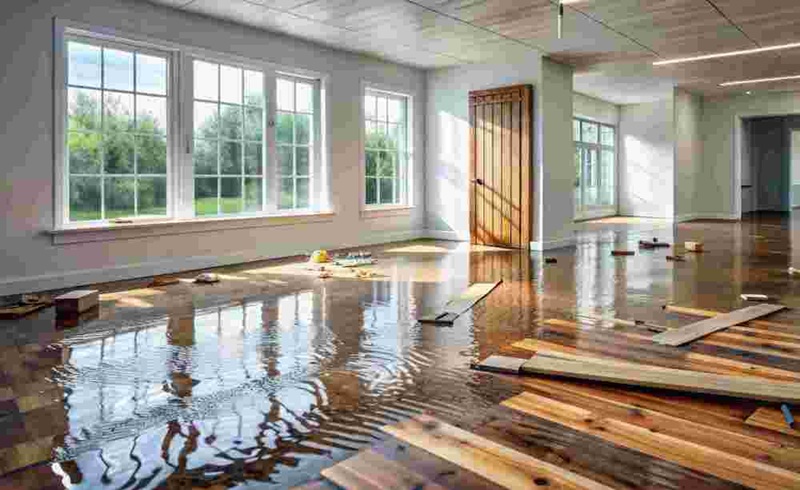
Water damage can strike unexpectedly, leaving us facing a daunting recovery process. Whether it’s a burst pipe, a leaky roof, or flooding, the aftermath can feel overwhelming. That’s why swift action and professional support are so important. Local services like water damage restoration West Palm Beach specialize in helping homeowners minimize damage and restore their properties quickly and safely.
In this article, we’ll explore the essential steps involved in restoring our spaces after water damage. From assessing the extent of the problem to applying the right restoration techniques, understanding the process can make recovery less stressful. With the right knowledge and trusted experts by our side, we can tackle water damage head-on and bring our homes back to their best condition.
Understanding Water Damage Restoration
Water damage restoration involves a systematic process to restore properties affected by moisture. We start with an assessment to identify the extent of the damage. Assessments often include checking for contaminants, structural integrity, and moisture levels in the environment.
Key Steps in Water Damage Restoration
- Assessment and Inspection
We examine the affected areas for visible signs of damage. This includes evaluating walls, ceilings, and floors for moisture and mould growth.
- Water Extraction
We utilise industrial pumps and vacuums to remove standing water. Efficient water extraction minimises further damage and prepares the area for drying.
- Drying and Dehumidification
We employ dehumidifiers and fans to eliminate moisture from surfaces and the air. Thorough drying prevents mould and structural issues.
- Cleaning and Sanitizing
We clean and disinfect affected materials to eradicate bacteria and fungi. This ensures a safe environment post-restoration.
- Repair and Restoration
We carry out necessary repairs, which may include replacing flooring, walls, and other structures. This restores aesthetics and functionality.
Importance of Professional Restoration
Engaging professional restoration services proves crucial after significant water damage. Professionals possess specialized equipment and training for efficient restoration. Their expertise ensures that restoration adheres to local building codes and health regulations, safeguarding properties and occupants.
Preventative Measures
We recommend proactive measures to mitigate potential water damage. Regular inspections, maintenance of plumbing systems, and proper landscaping can significantly reduce risks. Implementing these strategies helps maintain the integrity of our properties against water intrusion.
Causes of Water Damage
Understanding the causes of water damage allows us to implement effective preventative measures. We can identify two primary sources: natural disasters and plumbing issues.
Natural Disasters
Natural disasters frequently result in significant water damage. Events such as storms, hurricanes, and heavy rainfall can overwhelm drainage systems, leading to flooding. Flash floods, caused by sudden rainfall, can inundate homes and properties within minutes. Additionally, snowmelt in spring can cause rivers to swell, resulting in bank overflow and subsequent flooding. Each instance reveals the urgency of timely flood damage restoration efforts to mitigate structural damage and protect belongings.
Plumbing Issues
Plumbing issues are common culprits of water damage. Burst pipes often occur during freezing temperatures or due to old, deteriorating materials. Leaky faucets, hoses, or appliances create continuous water flow, leading to mould growth and structural damage over time. Blocked drains can also cause backflow, resulting in water infiltrating living spaces. Regular maintenance and prompt repairs of our plumbing systems significantly reduce the risk of these issues.
The Water Damage Restoration Process
The water damage restoration process involves systematic steps to ensure effective recovery from water-related incidents. We focus on thorough assessment, extraction, drying, and restoration to restore properties efficiently.
Assessment and Inspection
We begin with a comprehensive assessment to gauge the extent of the water damage. This process includes inspecting affected areas for structural integrity and identifying potential contaminants present in the water. Professional technicians use moisture meters and thermal imaging cameras to detect hidden water, allowing for an accurate evaluation of the damage and informing the subsequent restoration steps.
Water Extraction
Our next step involves prompt water extraction using industrial pumps and vacuums. Efficient removal of standing water is crucial to prevent further deterioration of materials and reduce the risk of mould development. Extraction equipment allows us to clear large volumes of water quickly, ensuring the property remains safe for occupants.
Drying and Dehumidification
After water extraction, we implement drying and dehumidification techniques. High-capacity air movers and dehumidifiers circulate air and remove moisture from the environment. This step typically requires 24 to 48 hours, but its duration may vary depending on the severity of the damage and the materials involved. Ensuring thorough drying prevents mould growth and protects structural integrity.
Restoration and Repairs
The final phase encompasses restoration and repairs to restore the property to its original condition. This includes replacing damaged materials, such as drywall and flooring, and repairing structural elements affected by water damage. Our team also addresses cosmetic issues, ensuring the space is visually appealing and fully functional. Throughout the restoration process, we adhere to industry standards and local building codes to protect your investment.
Prevention Tips for Water Damage
Implementing preventative measures reduces the likelihood of water damage in our properties. Regular attention to maintenance and emergency planning plays a crucial role in safeguarding our homes.
Regular Maintenance
Conducting regular maintenance on plumbing systems and appliances minimises the risk of water damage.
- Inspect plumbing for leaks, replacing worn-out fixtures and hoses promptly.
- Clean gutters and downspouts regularly to ensure proper drainage, preventing water from pooling near the foundation.
- Check roofing for missing or damaged shingles and seal any gaps to prevent leaks during heavy rainfall.
- Test sump pumps frequently to ensure functionality, especially before storm seasons.
- Monitor humidity levels in basements and crawl spaces using a hygrometer, taking actions if levels exceed 60% to prevent mould growth.
Emergency Preparedness
Being prepared for potential water damage emergencies can significantly reduce impact.
- Create an emergency plan that outlines immediate steps for various scenarios, such as burst pipes or severe flooding.
- Keep emergency contact numbers for local restoration services handy, ensuring we can reach help quickly if needed.
- Assemble an emergency kit that includes basic supplies like a flashlight, batteries, and water-activated emergency bladders for fast responses.
- Designate a safe area within our property to store important documents and valuables, protecting them from water exposure in emergencies.
- Educate all household members about the location of water shut-off valves, so they can act swiftly during a plumbing emergency.
Conclusion
Addressing water damage swiftly is crucial for protecting our homes and belongings. By understanding the restoration process and the importance of professional help we can ensure a thorough recovery. Regular maintenance and preventative measures play a vital role in safeguarding our properties against future incidents.
Being prepared and informed empowers us to tackle water damage effectively. With the right knowledge and resources we can minimise risks and maintain the integrity of our homes. Let’s commit to proactive measures and stay vigilant to keep our living spaces safe and secure.