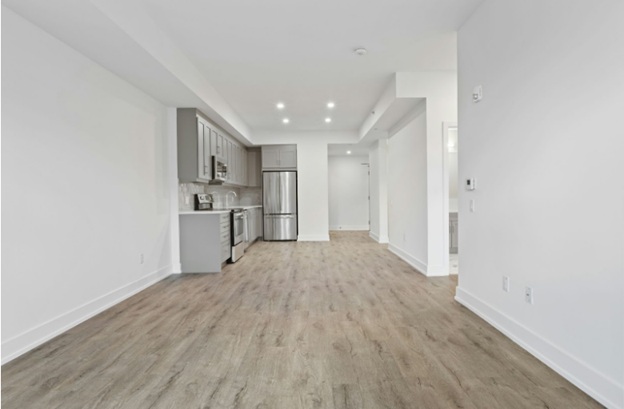
A fresh coat of paint can dramatically transform any commercial space, influencing customer perceptions and employee morale alike. However, commercial painting projects require careful planning to ensure successful outcomes without disrupting business operations.
Unlike residential projects, commercial painting involves unique challenges related to scale, timing, and business continuity. Understanding these considerations before starting helps you achieve excellent results while minimizing headaches along the way.
Assessing the Current Condition
Before planning any painting project, thoroughly evaluate your space’s current condition. Look for peeling paint, water stains, cracks, and areas where previous coatings have failed.
Underlying issues like moisture problems or surface damage require attention before new paint is applied. Painting over these problems wastes money as the new coating will fail prematurely.
Document problem areas with photographs to share with potential contractors during the bidding process. This documentation ensures accurate quotes and prevents surprise costs mid-project.
Consider whether surfaces need only refreshing or require complete preparation and priming. The scope of preparation work significantly impacts both timeline and budget.
Choosing the Right Colours

Colour selection for commercial spaces differs significantly from residential choices. Business environments must balance aesthetic appeal with brand alignment and psychological impact.
Your brand colours should influence the palette, creating consistency between your space and marketing materials. This cohesion reinforces brand identity with every customer visit.
Consider how colours affect mood and behaviour in different areas of your space. Reception areas benefit from welcoming tones, while workspaces may need colours promoting focus and productivity.
Lighting conditions dramatically alter how colours appear throughout the day. Test samples on actual walls under your specific lighting before committing to the full application.
Understanding Paint Types and Finishes
Commercial environments demand more durable coatings than typical residential applications. High-traffic areas require paints formulated to withstand frequent cleaning and contact.
Different finishes serve different purposes within commercial spaces. Flat finishes hide imperfections but mark easily, while semi-gloss options clean readily but highlight surface flaws.
Low-VOC and zero-VOC paints have become standard for occupied commercial spaces. These formulations minimize odours and health concerns for employees and customers during and after application.
Discuss specific performance requirements with your painting contractor before finalizing product selections. Their experience with various commercial environments guides appropriate product choices.
Timing and Scheduling Considerations
Timing represents one of the most critical factors in commercial painting projects. The work must accommodate your business operations while allowing painters adequate access and conditions.
Many businesses schedule painting during off-hours, weekends, or holiday closures to minimize disruption. This approach maintains normal operations while allowing work to progress efficiently.
Seasonal considerations affect both scheduling and paint performance significantly. Extreme temperatures and humidity levels can compromise coating application and curing.
Plan projects well in advance to secure preferred contractors and optimal timing. Quality commercial painters book weeks or months ahead, especially during busy seasons.
Minimizing Business Disruption
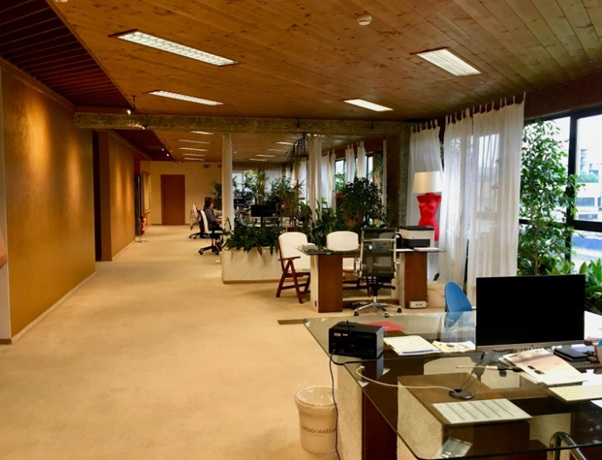
Maintaining business operations during painting requires careful coordination and communication. Discuss workflow logistics with your contractor before work begins.
Phased approaches allow sections to be completed while other areas remain operational. This strategy keeps businesses running while systematically refreshing the entire space.
Furniture and equipment protection requires planning and potentially temporary relocation. Determine responsibility for moving items and ensure adequate coverage for remaining fixtures.
Ventilation and odour management become crucial when painting occupied spaces. Proper airflow and low-odour products keep environments comfortable for everyone present.
Budgeting Realistically
Commercial painting costs vary dramatically based on scope, surface conditions, and product selections. Obtain detailed quotes from multiple contractors to understand market pricing.
Beware of significantly low bids that may indicate corner-cutting on preparation or materials. Quality workmanship requires appropriate investment in labour and products.
Include contingency funds for unexpected discoveries once work begins. Hidden damage or additional preparation needs commonly emerge during commercial projects.
Consider the total cost of ownership rather than just the initial application expense. Premium products and thorough preparation cost more upfront but last significantly longer.
Selecting the Right Contractor
Choosing qualified contractors, specifically experienced in commercial work, matters tremendously. Commercial projects present challenges that residential-focused painters may not handle effectively.
Verify licensing, insurance, and workers’ compensation coverage before hiring any contractor. These protections shield your business from liability during the project.
Request references from similar commercial projects and actually contact them. Past performance on comparable jobs predicts results on your project reliably.
Discuss safety protocols and how workers will conduct themselves in your business environment. Professional contractors understand the decorum required in occupied commercial spaces.
Preparing Your Space
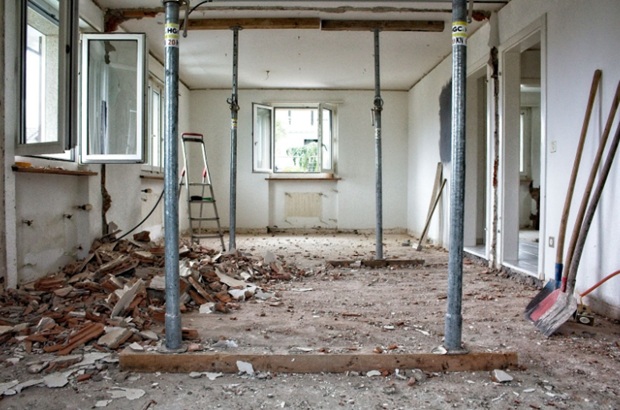
Proper preparation before painters arrive accelerates the project and improves results. Remove wall decorations, signage, and items that would obstruct access.
Communicate with employees about the upcoming project and any temporary changes required. Clear expectations prevent confusion and frustration during the work period.
Secure or remove sensitive materials, confidential documents, and valuable items from work areas. Even careful contractors cannot guarantee protection for items left in active work zones.
Ensure painters will have necessary access to electrical outlets, water, and restroom facilities. Addressing these logistics beforehand prevents delays once work begins.
Compliance and Regulations
Commercial properties must comply with various regulations affecting painting projects. Building codes, fire ratings, and accessibility requirements all potentially influence product and colour choices.
Heritage-listed or historically significant buildings face additional restrictions on modifications. Verify any applicable preservation requirements before finalizing plans.
Lease agreements may require landlord approval for painting in rented commercial spaces. Review your lease terms and obtain necessary permissions before proceeding.
Proper disposal of paint materials and compliance with environmental regulations fall to contractors. Confirm that your chosen contractor follows all applicable disposal requirements.
Planning for the Future
Consider how long you intend to occupy the space when making painting decisions. Short-term occupants may choose differently from those planning decades in the same location.
Select colours and finishes that will age gracefully and remain appropriate as trends evolve. Neutral foundations with accent elements allow easier future updates.
Document the specific products used for future touch-ups and maintenance needs. This information proves invaluable when addressing inevitable wear and damage over time.
Establish a maintenance schedule to extend the life of your new paint job significantly. Regular cleaning and prompt touch-ups prevent small issues from becoming major problems.
The Value of Professional Results
Professional commercial painting delivers value far exceeding the project cost. Enhanced appearance influences customer perceptions and purchasing decisions measurably.
Employees working in well-maintained, freshly painted environments report higher satisfaction and productivity. The investment in aesthetics pays returns through improved workplace morale.
Property values and lease potential both benefit from quality interior and exterior finishes. Painting represents one of the highest-return improvements for commercial properties.
Quality workmanship lasts years longer than budget alternatives, reducing long-term maintenance costs. The initial investment in professional service delivers ongoing value.
Conclusion
Repainting your commercial space requires thoughtful planning across numerous considerations. Colour selection, timing, contractor choice, and preparation all influence project success.
Taking time to address these factors before work begins prevents costly mistakes and disappointing results. Proper planning transforms a potentially disruptive project into a smooth improvement process.
Your commercial space represents your business to everyone who enters it. Investing in quality painting services ensures that representation reflects the excellence your business delivers.
Start planning your commercial painting project with these considerations in mind. The result will be a refreshed space that serves your business well for years to come.