In recent years, mobility has become one of the most practical and essential considerations for residents in modern urban environments. As cities expand and daily commutes stretch across suburbs, highways, and business districts, dependable personal transport has moved beyond luxury to necessity. Nowhere is this more evident than in the Dubai used car market, where increasingly savvy buyers look for vehicles that balance cost, performance, and long-term usability. Gone are the days when new cars dominated headlines and driver aspirations. Today, a large proportion of car ownership decisions start with research on pre-owned options that offer real value without compromising quality.
This shift reflects broader changes in purchasing behavior. Buyers are spending more time learning about depreciation curves, service histories, ownership costs, and total cost of ownership. They seek vehicles that have already passed the steepest phase of initial depreciation, allowing smarter allocation of financial resources. For many families, professionals, and daily commuters in Dubai, this focus on value makes secondary automotive decisions not only practical but strategically sound.
The Evolution of Vehicle Ownership in Dubai
Dubai’s automotive landscape has long been diverse, with everything from luxury performance vehicles to sturdy passenger cars on its roads. While new car showrooms remain lively with the latest models and technologies, the used car space has matured into a structured and transparent segment of the broader market. Unlike in earlier times when information was scarce and buyers relied heavily on personal judgment, today’s used car ecosystem offers robust support through digital listings, detailed inspection reports, and professional dealer networks.
This evolution has empowered buyers by providing more data and clarity than ever before. Many pre-owned vehicles now come with complete maintenance documentation, verified mileage histories, and even certified inspection results. This level of transparency helps buyers feel confident in their choices and reduces the uncertainty that once shadowed secondary market transactions.
Practical Considerations for Everyday Use
For many residents, particularly those who commute regularly or manage family transportation needs, practical performance takes precedence over novelty. Drivers want vehicles that can handle the routine demands of urban life, from navigating highways to safely transporting children and carrying groceries on weekend errands. While new cars often come with the latest features, their initial depreciation can make them less appealing for buyers focused on long-term value.
In contrast, pre-owned vehicles that have been well maintained often deliver reliable performance for years. These cars allow owners to avoid the steepest drop in value, which typically occurs in the first few years after manufacture. By purchasing a vehicle after this phase, buyers can capture the benefits of quality engineering without paying a premium for new-car status.
The Role of Technology in Buyer Confidence
One of the most significant drivers of growth in the secondary automotive space is digital technology. Online platforms now provide comprehensive listings, including multiple photos, detailed specifications, pricing trends, and user reviews. Buyers can compare vehicles side by side without leaving home, which makes the decision-making process more efficient and informed.
This digital access has led to a more sophisticated buyer base. Prospective owners no longer approach purchases with uncertainty or guesswork. Instead, they engage with data, compare condition reports, and often shortlist prospective vehicles before scheduling inspections. This level of buyer engagement leads to more confident decisions and a marketplace where transparency and documentation are valued.
Financing Options and Ownership Planning
In addition to improved information access, financing solutions have also become more flexible, making it easier for buyers to consider secondary market options. Many lenders now offer plans tailored specifically for pre-owned vehicle purchases, allowing longer repayment terms, manageable monthly installments, and competitive interest rates.
This accessibility to tailored financing has made pre-owned ownership a more attractive option for a broader range of buyers, including young professionals, growing families, and small business owners. Instead of allocating large sums of money upfront for new vehicles, buyers can secure reliable transportation that aligns with their broader financial planning and lifestyle goals.
Maintenance Networks and Service Infrastructure
Dubai’s extensive automotive service infrastructure plays a key role in supporting the used car market. With authorized service centers, independent specialists, and a thriving parts supply network, maintaining a pre-owned vehicle has become straightforward and predictable. This environment reduces one of the major concerns traditionally associated with buying used vehicles, fear of unknown repair costs or lack of technical support.
When buyers know that access to qualified technicians, genuine parts, and routine service is readily available, confidence increases. This sense of security strengthens the attractiveness of pre-owned vehicles as long-term ownership options rather than short-term stopgaps.
Daily Comfort and Usability
Beyond cost and performance considerations, many buyers are drawn to pre-owned vehicles for their daily usability. Comfort, ease of handling, stable ride quality, and intuitive cabin layouts all contribute to ownership satisfaction. Drivers who spend significant portions of their day on the road appreciate these qualities in vehicles that deliver predictable and consistent performance.
For families, spacious interiors, safety features, and reliable climate systems become essential factors. A vehicle that serves daily needs without compromise becomes more than a mode of transport, it becomes a trusted partner in the routines of everyday life.
Cultural Acceptance of Pre-Owned Ownership
In Dubai, the perception of pre-owned vehicles has shifted positively over time. Rather than being viewed as less desirable, well maintained used cars are now recognized as savvy options that reflect financial prudence and strategic decision-making. This cultural shift has contributed to robust demand across a range of segments, from practical commuter vehicles to premium and performance models.
Drivers today appreciate that a vehicle’s value is not defined solely by its age but by how well it performs, how it has been maintained, and how clearly its history is documented.
Economic Influences on Buyer Behavior
The broader economic environment also influences how buyers approach vehicle ownership. With rising living costs in housing, education, and services, many drivers prioritize affordability without sacrificing quality. Pre-owned vehicles provide a way to maintain mobility without placing undue pressure on monthly budgets.
This mindset aligns with a natural desire to balance short-term needs and long-term financial goals. Instead of tying up cash in a new car that quickly loses value, buyers can choose pre-owned options that deliver reliable performance while allowing flexibility for other life priorities.
Long-Term Satisfaction Through Informed Decisions
Ownership satisfaction often extends beyond the moment of purchase. Many buyers look back on their decisions with pride when a vehicle proves dependable over years of use. This long-term perspective reinforces the appeal of making informed choices based on documentation, condition reports, and transparent history.
Drivers who choose vehicles that fit their routines, have known service patterns, and remain supported by local service infrastructure tend to report stronger long-term satisfaction. This reinforces the idea that value is not fleeting but sustained through thoughtful ownership.
The Role of Safety and Daily Performance
Safety features continue to play an important role in how vehicles are evaluated in the secondary market. Buyers consider the integrity of structural components, the presence of advanced safety systems, and the overall condition of key mechanical systems. A vehicle that delivers dependable performance in both routine driving and unexpected situations becomes a priority for families, professionals, and daily commuters alike.
Reliable performance on a daily basis often outweighs the novelty of new features that may lose relevance over time. Buyers increasingly recognize that core reliability and safety are more important than momentary appeal.
Digital Search Platforms and Buyer Empowerment
The rise of digital platforms has democratized the way people approach automotive research. Buyers can now explore a wide range of options, filter results based on specific criteria, and compare pricing across makes and years. This level of access empowers buyers to make strategic choices rather than settling for what they encounter at a single dealer or neighborhood lot.
Digital visibility also encourages sellers to maintain transparent documentation and accurate descriptions, which elevates overall market standards.
Community Insights and Shared Experiences
Community feedback, reviews, and shared experiences also shape buyer perception of pre-owned options. Friends, family members, and online communities often provide valuable insights into reliability, ownership experiences, and brand-specific considerations. These shared narratives help prospective buyers build confidence and validate choices before committing.
This collaborative culture reinforces the idea that pre-owned ownership is not solitary or risky but part of an informed and connected ownership journey.
Seasonal and Market Cycle Influences
Pricing and availability of pre-owned vehicles are also influenced by market cycles. Seasonal demand, new model introductions, and broader economic conditions all affect inventory levels and pricing trends. Buyers who track these patterns can often time their purchases to align with favorable conditions, gaining better value or a wider selection.
This understanding of market dynamics signals a growing sophistication among pre-owned buyers as they engage with broader trends rather than isolated offerings.
A Personal Experience and Ownership Journey
For many drivers, the journey into vehicle ownership begins with practical needs and evolves into personal satisfaction. A well-chosen pre-owned vehicle can become a daily companion, supporting everything from work commitments to family activities and personal travel.
This sense of connection deepens when the vehicle continues to perform reliably over time, strengthening the bond between driver and machine.
Regional and Brand Considerations
When considering specific interests in performance, style, or brand identity, certain vehicles maintain broader appeal due to their engineering reputation or cultural impact. Buyers who appreciate a blend of distinctive design and performance often explore options that balance practicality with character. This intersection between utilitarian needs and emotional appeal highlights the diverse ways drivers relate to their vehicles.
Third-to-Last Paragraph with Secondary Keyword
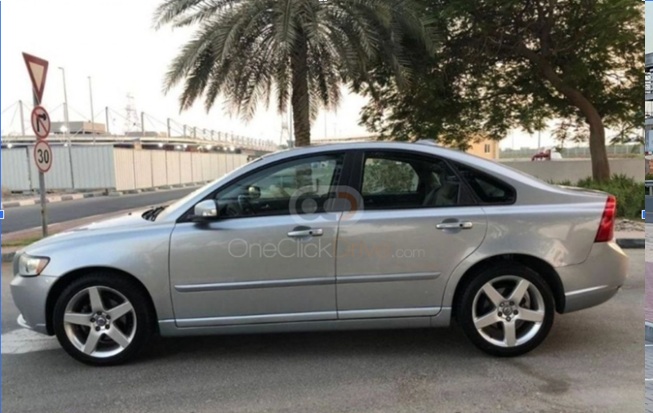
Within this broader landscape, specific segments such as enthusiasts exploring used car Volvo options find that brand reputation for safety, comfort, and sensible engineering further reinforces the appeal of well-maintained pre-owned vehicles.
A Market That Reflects Thoughtful Ownership
The growth of the Dubai used car market reflects a fundamental shift in how people think about mobility. Rather than prioritizing brand new status alone, buyers evaluate condition, performance history, ownership costs, and long-term usability. This thoughtful approach results in choices that fit daily routines, align with financial planning, and deliver confidence well beyond the purchase moment.
As information access continues to improve, service networks expand, and cultural acceptance of pre-owned vehicles strengthens, this segment of the market will likely remain a central part of automotive life in the region.
In this evolving landscape, well-chosen pre-owned vehicles not only transport drivers from point A to point B but become integral elements of daily life, reliable, affordable, and aligned with real world priorities.