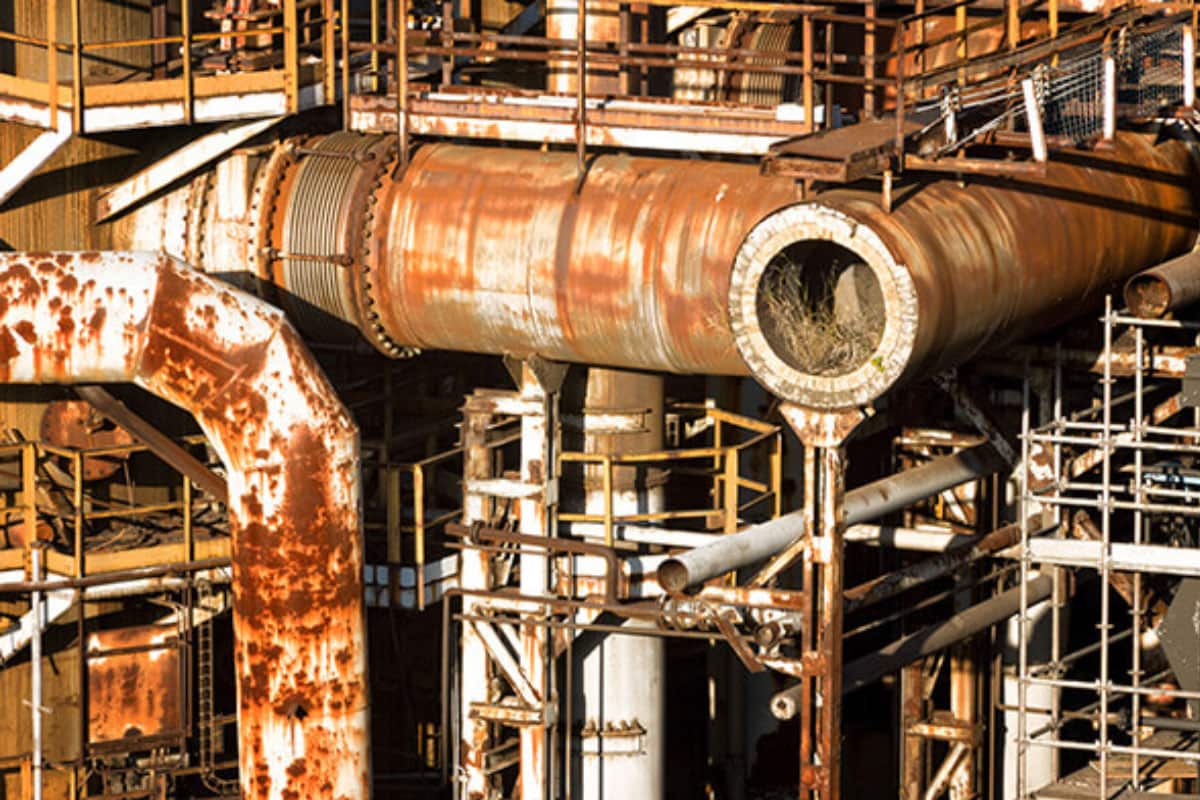
Corrosion is one of the most significant challenges faced by chemical plants globally. It not only impacts operational efficiency but also poses safety hazards, increases maintenance costs, and shortens the lifespan of equipment. In an industry where processes often involve highly aggressive chemicals, high temperatures, and pressure, understanding and controlling corrosion is important.
Why Corrosion Control Needed?
Chemical plants operate under extreme conditions, often involving acidic, alkaline, or oxidative substances at high temperatures and pressures. These conditions accelerate the natural degradation of metals and alloys used in process equipment. Corrosion, in this context, refers to the chemical or electrochemical reaction between materials – typically metals – and their environment, leading to deterioration of the material and loss of functionality.
The economic impact of corrosion in the chemical industry is substantial. According to industry reports, corrosion costs global industries more than $2.5 trillion annually, with chemical plants contributing a significant portion due to the aggressive nature of their processes. Beyond costs, corrosion can result in plant downtime, accidents, toxic leaks, and environmental hazards, making proactive corrosion management essential.

Common Types of Corrosion in Chemical Plants
Understanding the types of corrosion is the first step in implementing effective control measures. Chemical plants commonly encounter uniform corrosion, galvanic corrosion, pitting corrosion, crevice corrosion, stress corrosion cracking, and erosion-corrosion.
Uniform Corrosion
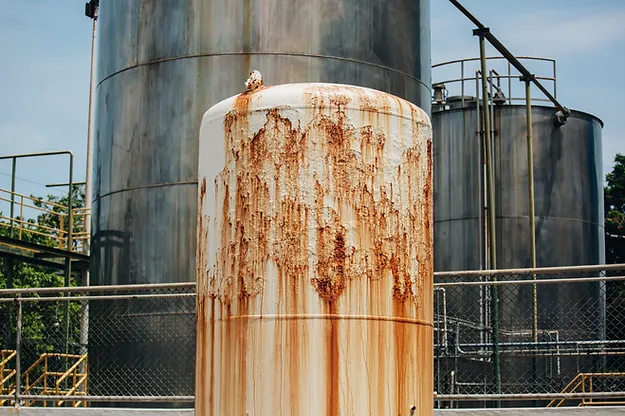
Uniform corrosion occurs evenly across the surface of metals. It is predictable and can often be managed with protective coatings or by selecting corrosion-resistant materials. Examples include mild steel reacting with acidic solutions in storage tanks.
Galvanic Corrosion
Galvanic corrosion arises when two dissimilar metals are electrically connected in the presence of an electrolyte. The less noble metal corrodes faster, leading to equipment failure. This is common in piping systems where steel is connected to copper or stainless steel fittings.
Pitting Corrosion
Pitting is a localized form of corrosion that creates small, deep holes in the metal surface. It is particularly dangerous because it can penetrate tanks or pipelines rapidly, often without significant warning. Chloride-rich environments, such as hydrochloric acid storage, exacerbate pitting.
Crevice Corrosion
This occurs in shielded areas such as joints, gaskets, and under insulation. Restricted flow allows the formation of aggressive chemical microenvironments that accelerate localized corrosion.
Stress Corrosion Cracking (SCC)
SCC is a combination of tensile stress and a corrosive environment, leading to cracking. Materials like stainless steel are prone to SCC in chloride-containing environments, which are common in chemical plants.
Erosion-Corrosion
The combination of mechanical wear and chemical attack is erosion-corrosion. High-velocity fluid flow carrying particulates can erode protective layers, exposing fresh metal to corrosion.
Factors Influencing Corrosion in Chemical Plants
Several factors contribute to the rate and severity of corrosion:
- Chemical Environment: Strong acids (sulfuric, hydrochloric) and bases (sodium hydroxide) aggressively attack metals. Oxidizers like chlorine accelerate corrosion.
- Temperature: Elevated temperatures generally increase reaction rates, worsening corrosion.
- Pressure: High pressures, especially in reactors, can enhance chemical aggressiveness.
- Material Selection: Incompatible metals or alloys increase susceptibility.
- Flow Dynamics: Turbulence, cavitation, or stagnant zones can lead to localized corrosion.
- Water Chemistry: pH, dissolved oxygen, and salinity significantly influence corrosion behavior.
Understanding these factors allows engineers to anticipate potential corrosion points and implement preventative measures.
Material Selection for Corrosion Resistance
Material selection is the first line of defense in corrosion control. The choice of materials must consider the specific chemicals, temperature, pressure, and mechanical stresses involved. Common materials include:
- Stainless Steels: Highly resistant to oxidation and mild acids; vulnerable to chloride-induced pitting.
- Alloy Steels: Alloying elements like chromium, molybdenum, and nickel improve corrosion resistance.
- Nickel-Based Alloys: Ideal for highly acidic or oxidizing environments; used in reactors and heat exchangers.
- Plastics and Composites: Polypropylene, PVDF, and fiberglass are often used for tanks and piping in highly corrosive conditions.
- Lining Materials: Rubber, PTFE, and epoxy linings protect underlying metals from direct chemical attack.
A proper material compatibility assessment ensures long-term operational reliability and safety.
Protective Coatings and Linings
Protective coatings serve as a barrier between the metal surface and the corrosive environment. They are widely used in chemical plants due to their cost-effectiveness and versatility.
Organic Coatings
- Epoxy and Phenolic Resins: Resist acids, alkalis, and solvents.
- Polyurethane Coatings: Offer mechanical toughness and chemical resistance.
Inorganic Coatings
- Metallic Coatings: Zinc, nickel, and chromium plating provide sacrificial or barrier protection.
- Ceramic and Glass Linings: Highly resistant to strong acids and high temperatures, commonly used in reactor vessels.
Surface Treatments
- Passivation: Enhances the natural oxide layer on stainless steel, improving resistance to oxidation.
- Anodizing: Used primarily for aluminum equipment to create a thick oxide layer.
Coating selection should be based on chemical exposure, operating temperature, and mechanical wear.
Corrosion Inhibitors
Corrosion inhibitors are chemical additives that slow or prevent the corrosion process. They are particularly useful in cooling water systems, pipelines, and process fluids.
- Anodic Inhibitors: Form protective oxide layers on the metal surface.
- Cathodic Inhibitors: Slow down the reduction reaction, often by forming a passive film.
- Volatile Corrosion Inhibitors (VCIs): Vaporize to form a protective layer in enclosed systems.
Inhibitor efficiency depends on concentration, temperature, flow conditions, and chemical compatibility with the process.

Cathodic and Anodic Protection
Electrochemical methods such as cathodic and anodic protection are effective for pipelines, tanks, and underground structures.
Cathodic Protection
Cathodic protection makes the metal surface the cathode of an electrochemical cell, thereby preventing oxidation.
- Sacrificial Anode Method: Zinc or magnesium anodes corrode preferentially, protecting the structure.
- Impressed Current Method: External power source provides current to suppress corrosion.
Anodic Protection
Anodic protection involves applying a small positive voltage to the metal, creating a passive oxide layer. This method is suitable for highly corrosive, low-potential environments like concentrated acids.
Process Design and Operational Strategies
Proper plant design can significantly reduce corrosion risks. Key considerations include:
- Eliminating Dead Zones: Avoid stagnant areas in piping and tanks to prevent localized corrosion.
- Controlling Flow Velocities: Avoid high-velocity conditions that lead to erosion-corrosion.
- pH and Temperature Control: Maintaining optimal pH and temperature limits chemical aggressiveness.
- Regular Flushing and Cleaning: Prevent buildup of corrosive deposits and biofilms.
- Material Segregation: Avoid galvanic corrosion by electrically isolating dissimilar metals.
A proactive design and operational strategy reduces reliance on costly repairs and downtime.
Monitoring and Inspection
Monitoring corrosion allows early detection, preventing catastrophic failures. Common techniques include:
- Visual Inspections: Identify surface pitting, cracks, and coating damage.
- Ultrasonic Thickness Measurement: Detect wall thinning in pipes and vessels.
- Electrochemical Methods: Corrosion rate measurement using probes and sensors.
- Non-Destructive Testing (NDT): Radiography, magnetic particle, and eddy current testing for internal defects.
- Corrosion Coupons: Small metal samples exposed to process fluids to measure corrosion rate over time.
Data from monitoring programs guide maintenance schedules and material replacement planning.
Maintenance and Repair Strategies
Even with preventive measures, corrosion may occur, necessitating timely maintenance:
- Scheduled Replacement: Replacing components before failure based on predicted corrosion rates.
- Repair of Coatings: Reapplying protective linings and paints.
- Welding and Metal Repairs: Using corrosion-resistant filler materials to restore damaged areas.
- Cathodic Protection Maintenance: Regularly checking anode condition and impressed current systems.
A structured maintenance strategy extends equipment life and ensures plant safety.

Safety and Environmental Considerations
Corrosion-related failures in chemical plants can lead to leaks, explosions, and toxic emissions. Implementing corrosion control measures enhances safety for personnel and minimizes environmental impact. Additionally:
- Regulatory compliance with EPA, OSHA, and local environmental standards requires corrosion prevention programs.
- Proper handling of corrosion inhibitors and coatings reduces environmental contamination.
- Early detection prevents chemical spills and hazardous waste generation.
Emerging Technologies in Corrosion Control
Advances in materials science and monitoring technology offer new opportunities:
- Smart Coatings: Self-healing or sensor-integrated coatings detect and respond to corrosion.
- Advanced Alloys: High-entropy alloys and ceramic composites for extreme environments.
- Digital Twin Monitoring: Real-time simulation and prediction of corrosion using AI and IoT sensors.
- Nanotechnology: Nanocoatings enhance surface resistance and reduce permeability to corrosive agents.
Conclusion
Corrosion control in chemical plants is a multi-faceted challenge requiring material science, process engineering, and proactive maintenance strategies. By understanding the types, causes, and effects of corrosion, plant engineers can select suitable materials, protective measures, and monitoring systems. Implementing a combination of design optimization, coatings, inhibitors, and electrochemical protection ensures safe, efficient, and cost-effective plant operations. The ultimate goal is preventing failures before they occur, protecting both human life and the environment, and minimizing the enormous economic impact of corrosion.