Construction projects involve numerous phases, each critical to the overall success of the build. Understanding the complete process from initial site work through final interior touches helps project managers, developers, and business owners make informed decisions. This comprehensive guide walks through every major stage of commercial and industrial construction projects.
Initial Planning and Assessment
Every successful construction project begins with thorough planning and site evaluation. Engineers and architects assess soil conditions, drainage patterns, topography, and existing infrastructure before design work commences.
Surveying establishes precise property boundaries and elevation benchmarks. These measurements guide all subsequent construction activities and ensure structures are positioned correctly on the site.
Geotechnical investigations reveal subsurface conditions that impact foundation design. Soil composition, water table depth, and load-bearing capacity all influence structural approaches and cost projections.
Environmental assessments identify potential constraints, including protected species, wetlands, or contaminated soil. Addressing these concerns early prevents costly delays and compliance issues during construction.
Site Preparation Fundamentals
Site preparation transforms raw land into a construction-ready platform. This phase involves clearing vegetation, removing debris, and establishing proper grades for drainage and building placement.
Heavy equipment mobilizes to the site for excavation and earthmoving operations. Bulldozers, excavators, and graders shape terrain according to engineering specifications and approved site plans.
Proper drainage design prevents water accumulation that could undermine structures or create ongoing maintenance problems. Swales, retention ponds, and underground drainage systems channel water away from building footprints.
Access roads and staging areas must be established before major construction activities begin. These temporary facilities support material delivery, equipment movement, and worker access throughout the project.
Managing Erosion and Sediment
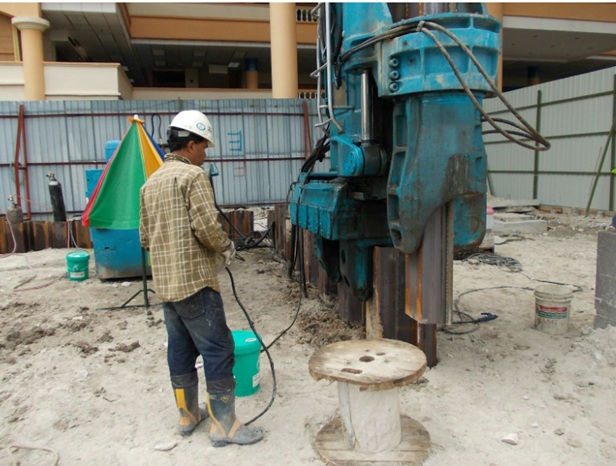
Construction activities disturb soil and vegetation, creating erosion risks during rainfall events. Uncontrolled erosion damages adjacent properties, clogs drainage systems, and violates environmental regulations in most jurisdictions.
Implementing erosion control matting and sediment barriers protects exposed soil from water and wind erosion. These systems stabilize slopes, protect drainage channels, and prevent sediment from leaving the construction site.
Silt fences along property boundaries capture sediment in runoff before it reaches neighboring areas. Regular inspection and maintenance of these barriers ensures they continue functioning throughout construction phases.
Temporary and permanent vegetation establishment provides long-term erosion control. Hydroseeding or traditional seeding of disturbed areas creates protective ground cover that stabilizes soil naturally.
Foundation and Structural Work
Foundation construction begins once site preparation reaches specified grades and compaction levels. The foundation type depends on building size, soil conditions, and structural requirements identified during design.
Concrete footings transfer building loads to stable soil or bedrock beneath. Proper curing time for concrete elements is essential before subsequent construction loads are applied.
Structural steel or concrete frames rise from completed foundations. These skeletal structures define the building’s shape and support all subsequent systems and finishes.
Building envelope installation follows frame completion, establishing the weather barrier. Exterior walls, roofing systems, and window installations protect interior spaces from environmental elements.
Mechanical, Electrical, and Plumbing Systems
MEP systems represent the building’s functional infrastructure. These complex networks require careful coordination to avoid conflicts and ensure accessibility for future maintenance.
Electrical rough-in includes conduit installation, panel placement, and wiring for power distribution. Lighting plans, emergency systems, and data infrastructure all integrate during this phase.
Plumbing systems bring water supply and waste removal throughout the facility. Proper slope, venting, and material selection ensure reliable long-term performance of these critical systems.
HVAC installation provides climate control and air quality management. Ductwork, equipment placement, and control systems must coordinate with structural elements and other building systems.
Interior Framing and Partitions
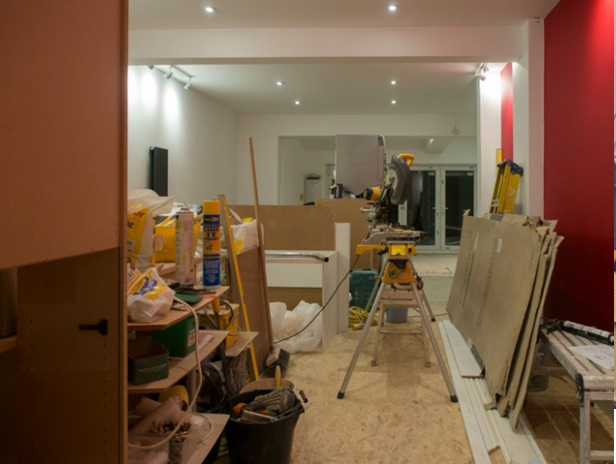
Interior walls define spaces and support finishes, electrical, and mechanical systems. Metal studs or traditional framing create room layouts according to architectural plans.
Fire rating requirements influence wall construction in commercial buildings. Specific materials and assembly methods achieve the required fire resistance ratings for different occupancy types.
Door and window frames are installed during the framing stages. Proper alignment and leveling at this stage prevent problems with the finished installation later.
Insulation installation within walls improves energy efficiency and acoustical performance. Proper installation techniques prevent thermal bridging and maintain insulation effectiveness.
Drywall and Surface Preparation
Drywall installation creates smooth interior surfaces ready for finishing. Professional installation ensures flat, properly aligned walls and ceilings without visible seams or fasteners.
Multiple coats of joint compound with intermediate sanding achieve smooth, paint-ready surfaces. The quality of this preparation work directly impacts the final finish appearance.
Texture application may be specified for certain areas to add visual interest or hide minor imperfections. Consistent technique ensures uniform appearance across large surface areas.
Priming prepares surfaces for final paint applications. Quality primers improve paint adhesion, coverage, and long-term durability of decorative finishes.
Ceiling System Installation
Ceiling systems serve both functional and aesthetic purposes in commercial construction. They conceal mechanical systems, provide acoustic control, and contribute significantly to interior design.
Professional suspended ceiling installer services ensure proper grid installation and tile placement for clean, professional results. These systems accommodate lighting fixtures, HVAC diffusers, and sprinkler heads while maintaining accessibility to above-ceiling spaces.
Grid leveling is critical for professional appearance and proper function. Laser levels and precise measurement ensure consistent ceiling planes throughout the facility.
Tile selection impacts acoustics, light reflectance, and maintenance requirements. Different tile types suit various applications from medical facilities to retail spaces.
Flooring Installation
Flooring choices depend on traffic levels, moisture exposure, and aesthetic requirements. Commercial installations demand materials engineered for durability and performance under challenging conditions.
Substrate preparation ensures the flooring adheres properly and performs as designed. Moisture testing, leveling compounds, and proper priming prevent future flooring failures.
Vinyl, carpet, tile, or polished concrete each requires specific installation techniques. Professional installers understand product requirements and best practices for lasting results.
Transition strips between different flooring types provide clean edges and prevent tripping hazards. Proper placement and installation of these elements contribute to overall project polish.
Painting and Decorative Finishes
Paint selection balances aesthetics, durability, and maintenance requirements. Commercial-grade paints withstand cleaning and wear better than residential products.
Color coordination across spaces creates visual harmony and reinforces branding. Professional color consultation helps avoid costly mistakes and achieve desired atmospheric effects.
Application technique impacts finish quality and longevity. Proper surface preparation, prime coats, and finish coats applied by skilled painters deliver superior results.
Specialty finishes like epoxy coatings or decorative plasters add unique character to spaces. These applications require specialized skills and often longer installation timeframes.
Fixture and Hardware Installation
Plumbing fixtures, light fixtures, and door hardware installation mark the transition toward project completion. These finish elements must coordinate aesthetically while meeting functional specifications.
Quality fixtures appropriate for commercial use withstand heavy use and abuse. Specifications should account for vandal resistance and accessibility requirements.
Lighting design balances functionality, energy efficiency, and aesthetics. Proper fixture selection and placement create comfortable, productive environments.
Hardware finishes should coordinate throughout the facility for visual consistency. Durable finishes maintain appearance despite constant handling and cleaning.
Final Systems Testing
Comprehensive testing ensures all building systems function as designed before occupancy. Electrical, plumbing, HVAC, and fire protection systems undergo rigorous evaluation.
Commissioning processes verify that systems meet design specifications and operate efficiently. This documentation supports warranty claims and provides baseline performance data.
Safety systems, including fire alarms, sprinklers, and emergency lighting, require testing and certification. Code compliance depends on proper installation and successful testing of these critical systems.
Controls programming and optimizationto fine-tune automated building systems. Proper programming maximizes energy efficiency while maintaining occupant comfort.
Cleaning and Final Preparation
Construction cleaning removes dust, debris, and protective materials. This detailed process prepares spaces for final inspection and occupancy.
Punch list development identifies minor corrections needed before final acceptance. A systematic review of all spaces ensures nothing is overlooked.
Touch-up painting and finish repairs address minor damage from construction activities. These final corrections polish the project before handover.
As-built documentation compiles all changes made during construction. These updated drawings and specifications guide future maintenance and modifications.
Inspections and Approvals
Building inspectors verify code compliance throughout construction at designated milestones. Final inspections confirm all work meets applicable standards before occupancy approval.
Certificate of occupancy issuance authorizes building use. This official approval confirms the structure is safe and suitable for its intended purpose.
Warranty documentation from contractors and suppliers protects the owner’s investment. Understanding coverage terms and maintenance requirements preserves these protections.
Project Closeout
Final payments and lien releases complete the financial aspects of construction. Proper documentation protects owners from future claims by contractors or suppliers.
Training on building systems helps facility managers understand operations and maintenance requirements. This knowledge transfer supports long-term building performance.
Transition to operations includes coordinating furniture installation, technology deployment, and occupant move-in. Careful planning minimizes disruption and ensures smooth facility activation.
Conclusion
Successful construction projects require expertise across numerous disciplines and careful coordination of sequential activities. From initial site preparation through final interior finishes, each phase builds upon previous work to create functional, attractive facilities.
Understanding the complete construction process helps stakeholders make informed decisions and maintain realistic expectations. Whether managing your first project or your fiftieth, this comprehensive approach ensures nothing is overlooked from groundbreaking to ribbon-cutting.