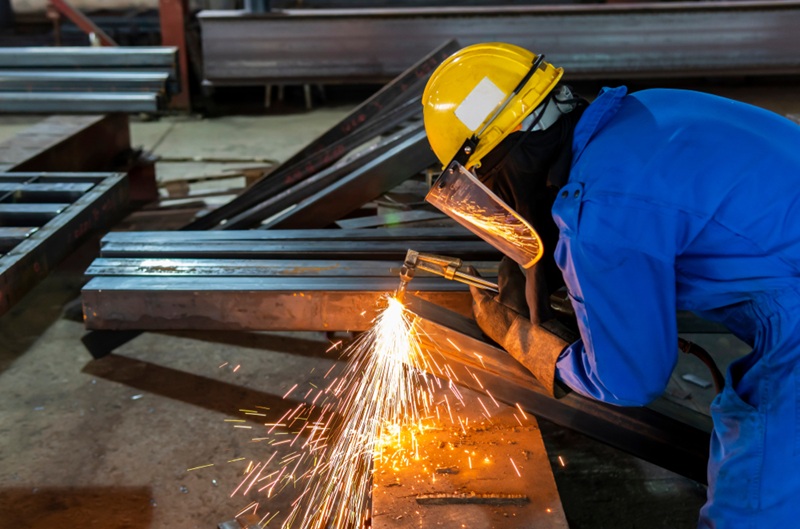
Steel fabrication is far more than simply cutting and welding metal, it’s the merging of engineering precision, material science, and craftsmanship that creates structures engineered to last. For industries ranging from commercial to heavy manufacturing, the quality of steel fabrication directly impacts performance and longevity. Structural steel fabrication involves transforming beams or plates through cutting, bending, and welding.
Design and Engineering
The process of steel fabrication begins with detailed drawings and specifications, often developed in computer-aid design environments. During this phase, engineers select the proper steel grad and analyze stresses, weld points and installation conditions.
The next stage is precision cutting and shaping. Advanced fabrication shops use technologies like laser cutting and shearing and machining to shape steel plates, channels and structural members. These tools allow for tight tolerances and intricate designs, whether for architectural features or heavy structural components. Forming techniques such as bending, rolling and press braking give the steel its required geometry and structural integrity.
Joining and assembly are where engineering meets craftsmanship. Skilled welders employ techniques like MIG, TIG or stick welding, often following strict procedures and weld certifications. For structural components, dimensional accuracy and weld integrity are non-negotiable, faulty joints or misalignments can degrade load-bearing capacity and compromise safety.
Quality fabrication also incorporates finishing, protection and inspection. After assembly, components may receive protective coatings to resist corrosion and environmental degradation. Alongside finishing, rigorous inspections assure that each element meets specifications and is ready for installation.
Why does all this matter? Because steel fabrication designed to endure doesn’t just look strong, it performs under load, resists the elements and lasts for decades. Structural fabrications are used in tall buildings, bridges, industrial frames and infrastructure, where failure is not an option. By engineering every stage and employing precise fabrication techniques, the finished product offers reliability and longevity.
Finally, in an era where sustainability and cost-efficiency matter, smart steel fabrication helps. By optimizing material use, reducing waste and producing components off-site for faster installation, projects can lower both time and cost.
Conclusion
Quality steel fabrication is built to endure because it blends art with engineering. From concept to installation, each detail matters, when done right, the results show for themselves.