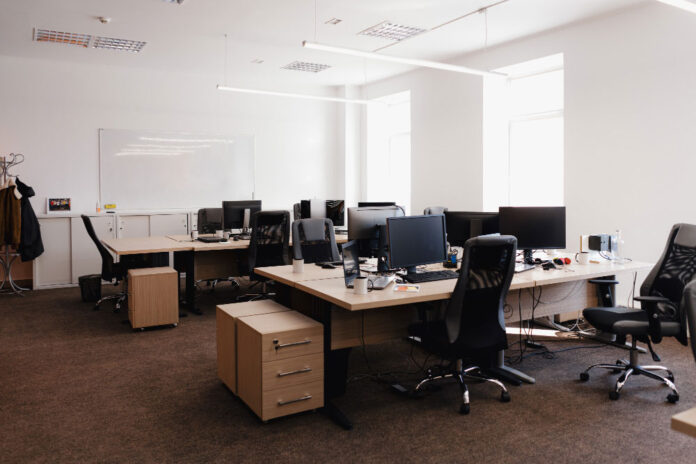
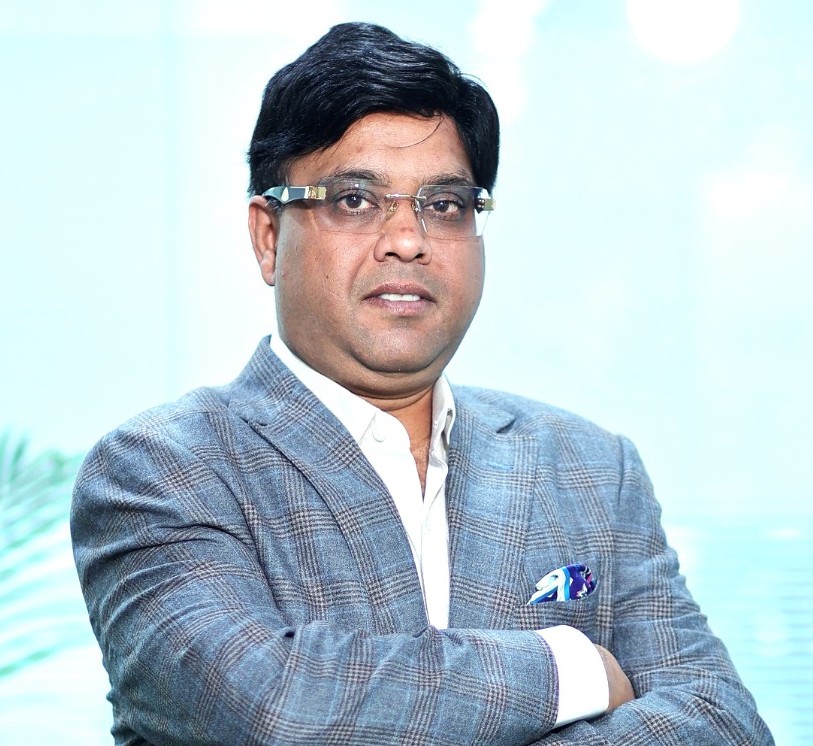
In an exclusive interaction with Constrofacilitator, Mr. Nipun Gupta, Founder of Nukleus Co-Working & Managed Offices, discusses how the brand is redefining the role of co-working spaces from being mere infrastructure providers to becoming active catalysts for collaboration, innovation, and sustainable growth. With a rapidly expanding footprint of 11+ centers across the NCR region and an average 88% occupancy, Nukleus has emerged as a key player in India’s competitive managed office landscape.
During the conversation, Mr. Gupta highlights how thoughtful design innovations, ranging from interactive lounges and biophilic zones to modular event spaces, are intentionally crafted to encourage spontaneous collaboration and idea exchange. He also sheds light on Nukleus’ community-driven initiatives such as industry workshops and the Nukleus Connect program, which bridges startups, SMEs, mentors, and enterprises to create meaningful professional synergies.
Mr. Gupta further explores shifting client expectations in the post-pandemic era, including the demand for hybrid-ready, tech-enabled, and wellness-focused workspaces, as well as the growing adoption of satellite offices by large enterprises across NCR. Emphasising sustainability as a core business imperative, he outlines the green practices and smart building strategies that co-working operators must adopt to remain relevant, responsible, and aligned with evolving ESG goals.
Here are the excerpts from the interview –
1. Nukleus aims to be more than a workspace provider; it aims to be a catalyst for collaboration. Can you share any specific initiatives or design innovations that support this mission?
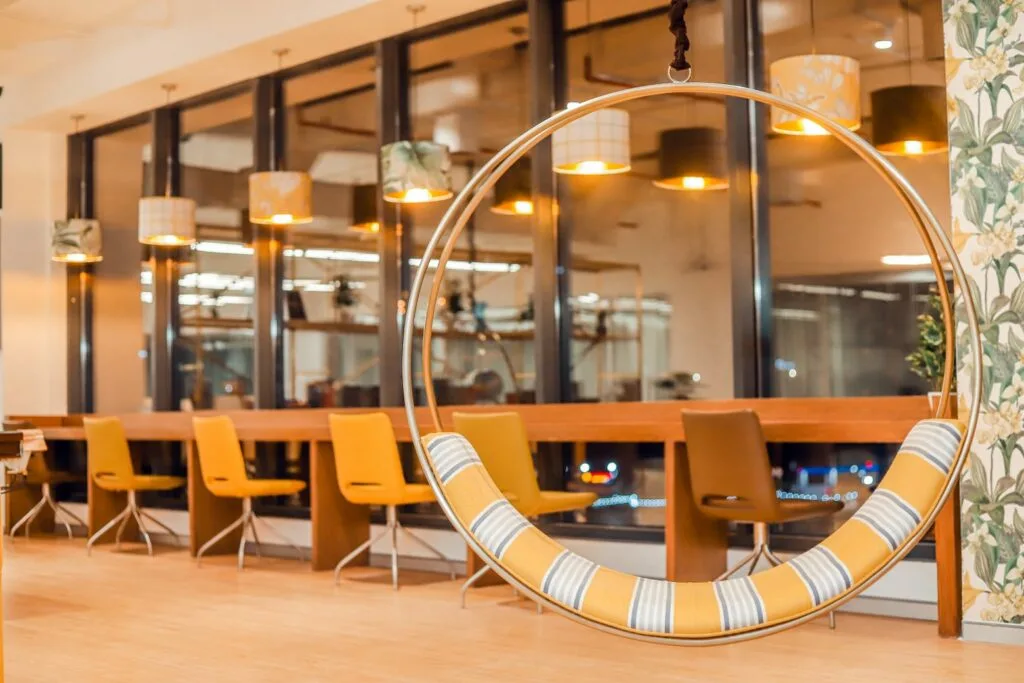
Ans. At Nukleus, we foster collaboration through innovative design elements like interactive lounges, biophilic zones, and modular event spaces that encourage spontaneous interactions, alongside tech integrations such as collaborative digital whiteboards and AI-powered networking tools. Key initiatives include regular industry workshops, peer-to-peer meetups, and our “Nukleus Connect” program, which pairs startups with mentors and enterprises for cross-pollination of ideas. These efforts transform our centers into vibrant hubs where functionality meets creativity, driving meaningful professional synergies.
2. From hot desks to private serviced offices, Nukleus caters to diverse business segments. Which customer segment do you see as the strongest growth driver today?
Ans. SMEs represent our strongest growth driver today, drawn to our flexible mid-sized managed offices that offer prime networking opportunities, scalable amenities, and cost efficiencies without long-term commitments. With NCR’s dynamic ecosystem, SMEs leverage our tech-rich environments to attract talent and scale rapidly, contributing significantly to our 88% occupancy across 11+ centers. This segment’s demand for hybrid-ready, community-focused spaces outpaces others amid economic shifts.
3. What new expectations are clients bringing to co-working spaces today, especially post-pandemic?
Ans. Post-pandemic, clients expect hyper-flexible hybrid models with seamless tech for remote collaboration, enhanced health protocols like touchless access and air purification, and wellness amenities such as quiet pods and ergonomic setups. There’s also a strong push for data-driven personalization via AI tools for space optimization and community curation. At Nukleus, we meet these by prioritizing experience-led designs that blend productivity, safety, and social connection.
4. How is the rising trend of satellite offices influencing workspace decisions among larger enterprises in NCR?
Ans. The satellite office trend is prompting larger enterprises in NCR to decentralize from monolithic HQ models, opting for distributed micro-hubs closer to employee residences to cut commute times and boost retention in hybrid setups. This shifts decisions toward flexible, plug-and-play managed suites with enterprise-grade security and scalability at Nukleus centers in Noida, Gurgaon, and Delhi outskirts. It enhances agility while reducing real estate overheads in a competitive market.
5. As sustainability becomes a priority, what green practices do you think co-working operators must adopt to stay relevant and responsible?
Ans. Co-working operators must embrace energy-efficient smart buildings with solar integrations, LEED-certified designs, and waste-zero initiatives like recycling stations and upcycled furnishings to remain relevant. Water conservation through rainwater harvesting, biophilic elements for natural cooling, and carbon tracking via AI are essential for responsibility. Nukleus leads with these practices, aligning sustainability with cost savings and client ESG goals in India’s evolving workspace landscape.
Wrong shortcode initialized