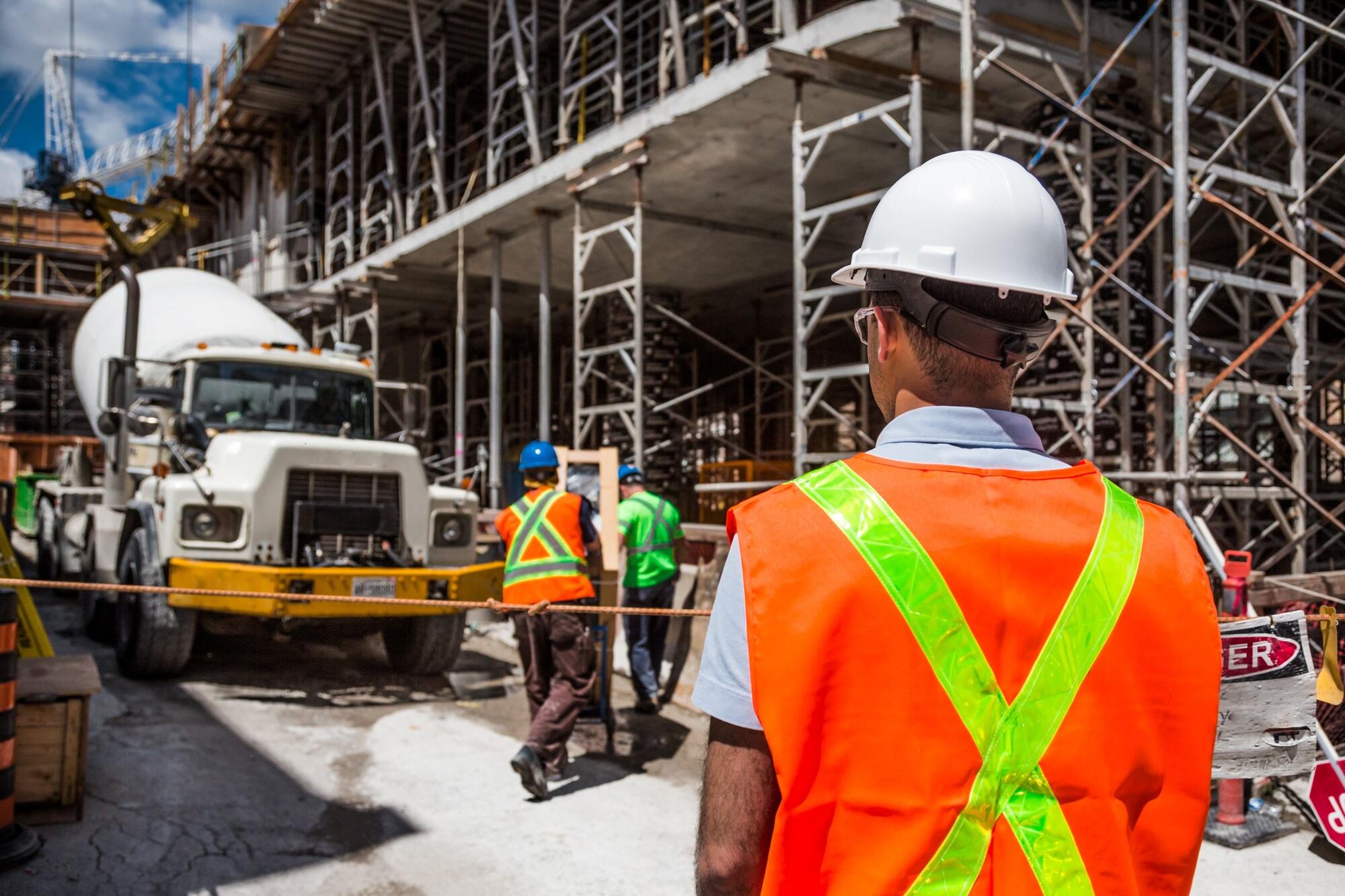
Have you ever stepped onto a job site and wondered if your gear would really protect you in a fall?
Construction work is tough, fast paced, and full of risks, and fall hazards top the list. Choosing the wrong harness or skipping a safety check can put both your health and livelihood on the line. Gear is not just about compliance, it is about confidence and survival.
This article will guide you through the best practices for selecting fall protection gear that keeps you safe.
Understanding Site Hazards
Every job site has its own unique risks. Open edges, scaffolding, ladders, and roofs all create fall dangers. Before selecting gear, you must know exactly where workers face the greatest risks.
Walking the site helps you see what kind of fall systems are needed. Some areas may require restraint systems to keep workers away from the edge. Others may need arrest gear to stop a fall in progress.
By mapping hazards first, you avoid guessing when choosing equipment. This step ensures each worker has the right level of protection. A proper hazard check is the foundation of all fall safety.
Choosing the Right Fall Protection System
Fall restraint systems are designed to prevent workers from reaching danger zones. They are simple but very effective for flat roof or edge work. Restraint is often the first choice when prevention is possible.
Fall arrest gear is used when restraint is not enough. Harnesses, lifelines, and shock-absorbing lanyards stop a fall in progress. When evaluating options, it may be wise to consider fall protection harnesses from reputable suppliers to ensure compatibility, certification, and durability with other gear.
Positioning systems allow a worker to use both hands while staying secure. They are common for tower climbing or wall work. Choosing the wrong system could reduce safety instead of improving it.
Ensuring Proper Fit and Comfort
A harness that does not fit is unsafe. Straps that are too loose can slip off in a fall. Straps that are too tight can restrict blood flow and cause injury.
Workers should be trained to put on gear correctly. Adjustment points must be set for each individual, not shared across the crew. This practice reduces mistakes and improves safety.
Comfort is also important for daily use. Gear that pinches, rubs, or limits movement often leads to noncompliance. The easier the gear is to wear, the more likely workers are to use it.
Checking for Quality and Compliance
Not all fall protection gear is equal in quality. Using uncertified equipment risks failure at the worst possible time. Workers should only use gear that meets OSHA and ANSI standards.
Inspections are required before each shift. Harnesses should be checked for fraying straps or broken stitching. Lanyards and anchors must be free from damage or wear.
Durable gear lasts longer and builds trust with the crew. Investing in quality prevents both injuries and downtime. Compliance ensures the job site meets legal and safety demands.
Planning for Rescue Operations
Stopping a fall is only part of the solution. A worker left hanging in a harness is still in danger. Suspension trauma can occur within minutes.
Every job site must have a rescue plan in place. Workers should be trained on how to reach and recover a fallen coworker. Rescue gear must also be kept nearby and in good condition.
Planning for rescue shows that safety goes beyond compliance. It ensures workers know they will not be left hanging in an emergency. A strong plan gives peace of mind and protects lives.
Establishing Anchor Point Safety
Anchor points are the backbone of any fall protection system. Without a secure anchor, even the best harness cannot save a worker. These points must be strong enough to hold the impact of a fall.
Anchor points should always be placed above the worker whenever possible. This reduces swing falls and improves safety. If anchors are placed at foot level, the fall distance can increase dangerously.
Only anchors that meet safety standards should be used. Temporary anchors must be inspected each day. Permanent anchors should be checked on a regular schedule to ensure long-term reliability.
Inspecting Equipment Regularly
Fall protection gear wears out faster than many workers expect. Harnesses and lanyards can weaken from UV exposure, dirt, and daily use. Inspection is the best defense against hidden risks.
Every worker should inspect their own gear before starting a shift. They should look for loose stitching, cuts, or chemical damage. Any piece of gear with defects must be removed from service.
Supervisors should also schedule regular detailed checks. Records of these inspections help track gear over time. Reliable documentation creates accountability and improves safety culture.
Considering Environmental Conditions
Job site conditions affect how fall protection gear performs. Rain, ice, or wind can increase the risk of falls. Gear must be chosen with these factors in mind.
Cold weather can make straps stiff and harder to adjust. Hot weather can increase worker fatigue, which leads to mistakes. Specialized gear may be needed for extreme environments.
Surfaces like steel beams or wet concrete require extra care. Slip risks combine with fall risks to create a more dangerous site. Matching gear to the environment ensures better safety.
Promoting a Safety-First Culture
Fall protection is not just about rules or gear. It is about building a culture where safety comes first. Workers must feel responsible for their own safety and the safety of others.
Supervisors should set the example by wearing their own gear properly. Visible leadership encourages workers to follow best practices. Peer-to-peer reminders also reinforce good habits.
A strong culture makes compliance natural, not forced. Workers speak up about unsafe practices without fear. When safety becomes part of daily behavior, fall protection is most effective.
Strong Gear Saves Lives Every Time
The real test of fall protection gear is not whether it looks sturdy but whether it can be trusted when the unexpected happens. Every worker deserves to step on site knowing their harness, lanyard, and anchor point are reliable. Safety begins with making smart choices before the first tool is lifted.
The culture of a site is shaped by how seriously fall risks are treated. When safety is prioritized, workers return home stronger and the work speaks for itself.
Were you satisfied with the information in this article? If yes, our blog offers even more valuable resources.