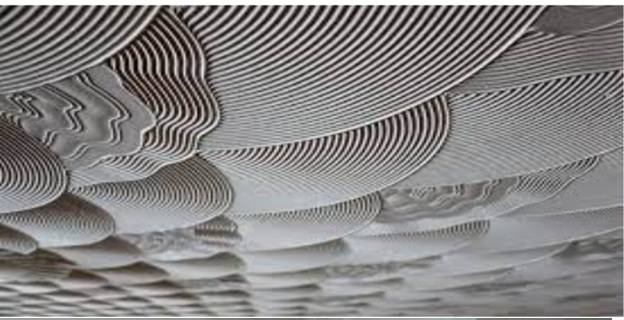
Artex ceilings were once a popular feature in many homes, offering textured patterns that stood out from traditional smooth plaster. However, changes in design trends and the challenges of repair and maintenance now prompt many homeowners to consider their options. The most effective approach for dealing with Artex ceilings is to assess whether covering, repairing, or removing is best based on the ceiling’s condition, presence of asbestos, and the desired finish.
Each method—covering with new plasterboard, repairing damaged sections, or complete removal—requires careful consideration of costs, safety, and the final appearance. Professional guidance is crucial, especially when older ceilings may contain hazardous materials. Understanding the right solution can help homeowners improve their space safely and efficiently.
Understanding Artex Ceilings
Artex is a textured coating widely used in UK homes, often found on ceilings. Knowing its background, how to recognize it, and understanding health considerations is essential for making responsible choices.
History and Use in Homes
Artex gained popularity in the UK during the 1970s–1990s because it allowed homeowners to create decorative ceiling patterns without complex plastering skills. It was marketed as a quick and affordable solution for both new builds and renovations.
The most common application was on ceilings, but some walls were also finished with Artex. Textured ceilings became a hallmark of this period and are still found across many UK homes today. Artex was mainly chosen for its ability to hide imperfections and its low cost.
By the early 2000s, smooth plaster finishes became preferred in modern interior design. Today, Artex is seen as outdated but remains widespread, especially in older properties.
Identifying Artex Finishes
Artex typically appears as a decorative, textured finish rather than a smooth surface.
Common patterns include:
- Swirls: Overlapping curved shapes
- Stipples: Spiky, bumpy texture often achieved with a roller or brush
- Bark or fan: Wavy, tree-bark-like or fan patterns
Compared to standard plaster, Artex has a visibly raised and irregular finish. It can feel rough to the touch and is usually painted over in white or light colours. Anyone dealing with older ceilings should inspect for these patterns, as they are strong indicators of an Artex finish.
Asbestos Concerns in Artex
Older Artex, especially applied before the mid-1980s, may contain white asbestos (chrysotile) as a strengthener. This presents a risk if the material is disturbed during removal, sanding, or drilling, as asbestos fibres can be released into the air.
Key points about asbestos in Artex:
- Asbestos use in Artex was banned in the UK in 1999
- Ceilings installed after 2000 are unlikely to contain asbestos
- Testing by a certified professional is recommended before any intrusive work on pre-2000 Artex
If asbestos is present, only licensed specialists should undertake removal or repair. Homeowners should avoid disturbing Artex until a proper assessment is made.
Options for Covering Artex Ceilings
Homeowners have several choices when it comes to improving the appearance of Artex ceilings. Each method has distinct benefits, costs, and long-term considerations, so understanding the main options helps when selecting the most suitable solution.
Plastering Over Artex
Skimming plaster over Artex provides a smooth, modern finish and effectively hides textured patterns. This method is usually carried out by a professional plasterer, but confident DIYers can also attempt it with the right skills and preparation.
Preparation involves scraping off any high points, cleaning the surface, and sometimes applying a bonding agent to help the plaster adhere. The process generally requires two coats: a base coat to level the surface, followed by a finishing skim. https://plastereryork.co.uk/
Key points:
- Offers a flat, ready-to-paint ceiling
- Requires existing Artex to be in good condition and securely attached
- Messy and takes a few days to complete, including drying time
- Potential for additional costs if asbestos is present in older ceilings (pre-2000)
While this method permanently covers the Artex, it also adds a small amount of weight to the ceiling, which is usually not an issue unless the base is unstable.
Using Ceiling Panels or Cladding
Ceiling panels and cladding offer a way to conceal Artex without plastering or construction mess. Homeowners can select from a variety of materials, including PVC, timber, and composite boards, each offering a different appearance and level of moisture resistance.
These systems can be installed directly onto the existing ceiling using adhesive or a batten framework. Most panels interlock or slot together, creating a seamless look. Installation is often quicker and cleaner than plastering and can usually be done by a competent DIYer.
Advantages:
- Instantly hides Artex
- Wide range of styles and finishes
- Some panels offer acoustic or insulation benefits
- Minimal disruption and no waiting for plaster to dry
Panels can reduce ceiling height slightly and may not be suitable for rooms where every inch of headroom matters.
Paints and Texture Solutions
Specialist ceiling paints and thick texture coverings can reduce the visual impact of Artex, though they will not produce a perfectly smooth finish. These products are applied using a roller or brush and can soften sharp peaks, brighten the room, and make old patterns less prominent.
Options include heavy-duty mat paints, which fill small indentations, and liquid skim coat products designed for textured surfaces. For minor texture, multiple coats may provide acceptable results; for deeper patterns, improvement is limited.
- Quick, cost-effective, and DIY-friendly
- No major changes to ceiling structure
- Results depend heavily on the depth and shape of the pattern
Paints and texture solutions are best suited for cosmetic updates rather than full concealment and work well where a smoother but not completely flat finish is acceptable.
Repairing Damaged Artex Ceilings
Repairing Artex ceilings requires careful handling to avoid further damage or an obvious patch. Matching textures and maintaining safety are essential throughout the process.
Minor Crack and Chip Repairs
For small cracks or chips in Artex ceilings, a high-quality filler or repair compound is often used. The area should be cleaned to remove dust or any loose material before application. Filling is done with a putty knife, smoothing the surface as much as possible to reduce later sanding.
After the filler dries, the area may need light sanding, but care is taken not to disturb the surrounding texture. Sometimes, additional thin layers are applied if the initial repair shrinks. Once the filler is flush with the ceiling, the repaired spot is primed and repainted. Matching paint color is crucial, especially on older surfaces.
For spots with minor water staining, stain-blocking primers are used after repairs to prevent marks from bleeding through new paint. Regular inspection is recommended, as small cracks can signal broader issues if moisture is present.
Blending New and Original Patterns
A key challenge with Artex repairs is making the new texture blend seamlessly with the existing pattern. Identifying the original design—such as stipple, swirl, or fan patterns—helps determine the correct application method.
Plasterers often use the same tools originally used, like stipple brushes or textured rollers, to replicate patterns. Small samples may be created on cardboard to practice before applying directly to the ceiling. For common designs, templates or stamps are available to assist with matching.
Attention to drying times is important; new Artex is worked while still soft to match peaks and troughs. Slight differences are inevitable, but careful feathering around edges helps minimize visible joins. Lighting can also affect how well repairs blend, so always assess from multiple angles.
Safety Precautions and Tools Needed
Repairing Artex ceilings may pose health risks, particularly if installed before the mid-1980s, as older Artex formulations sometimes contain asbestos. If the ceiling’s history is uncertain, samples should be tested by professionals. Avoid dry sanding or abrasive removal unless asbestos has been ruled out.
Key tools for minor repairs include:
- Putty knife or filling blade
- Sanding block (with dust extraction if possible)
- Texture application tools (brush, roller, or sponge)
- Protective goggles and mask
- Disposable gloves and coveralls
Work areas should be well-ventilated, with dust sheets protecting floors and furnishings. Any repair involving water damage or widespread cracks should be assessed for underlying issues like leaks before cosmetic work begins. Safety remains the priority throughout the process.
Removing Artex Ceilings Safely
Careful planning and proper safety measures are critical when removing Artex ceilings. Homeowners need to consider risks such as asbestos and follow required procedures to minimize health hazards and comply with regulations
Professional Removal Processes
Professional removal of Artex ceilings usually starts with testing for asbestos. This step is non-negotiable, especially for properties built or renovated before the late 1990s, as older Artex often contains asbestos fibers. Contractors use specialized tools and protective equipment to avoid creating airborne dust.
Removal commonly uses chemical softeners or steam to loosen the textured material. The softened Artex is then gently scraped away to prevent damage to the underlying plasterboard and to reduce airborne particles.
Contractors often seal off the area with plastic sheeting. Negative pressure units and HEPA-filter vacuums remove contaminated air, minimizing exposure risks. After removal, residues are carefully wiped away, and all waste is double-bagged for disposal.
Hiring a licensed professional is strongly recommended for any work involving potential asbestos. Attempting DIY removal without the correct skills and equipment raises serious health and safety concerns.
Legal and Environmental Considerations
There are strict legal requirements for removing and disposing of asbestos-containing Artex. UK law, for example, classifies such work under the Control of Asbestos Regulations 2012. Only licensed contractors can remove higher-risk asbestos materials, and notification to local authorities may be required.
Disposal must be at a licensed hazardous waste facility. Improper disposal is illegal and poses serious environmental hazards. Contractors typically provide waste consignment notes to document legal compliance. Homeowners should keep records as proof if selling the property in the future.
There are also environmental guidelines to prevent contamination. This includes avoiding water runoff and ensuring that no dust or debris remains after work is completed. Failure to follow these rules can result in fines and legal consequences for both property owners and contractors.