In modern building design, energy efficiency and thermal comfort have become critical priorities. With rising energy costs and increasing environmental concerns, architects and builders are continuously seeking construction methods that enhance thermal performance. Cavity wall construction is one such technique that has gained prominence due to its ability to provide excellent insulation, reduce energy consumption, and improve indoor comfort.
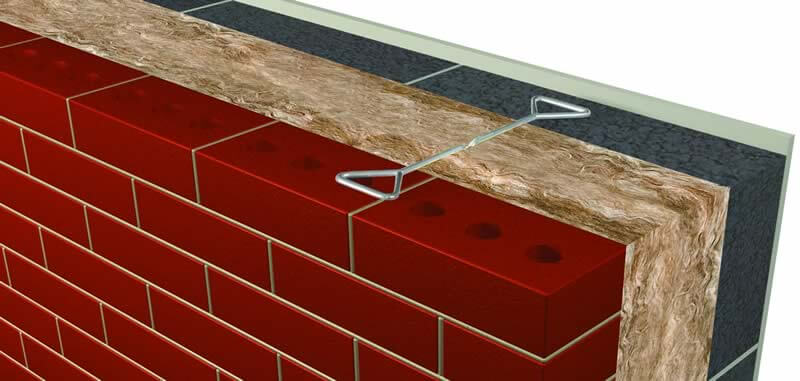
A cavity wall consists of two separate walls, commonly known as the inner and outer leaves, separated by a gap or “cavity.” This cavity can be left empty or filled with insulation material, significantly reducing the transfer of heat through the wall. The concept is simple yet highly effective, combining structural integrity with superior thermal performance.
The Structure of a Cavity Wall
A typical cavity wall has three essential components:
- Inner Leaf (Structural Wall):
The inner leaf is usually constructed from strong materials like reinforced concrete blocks or bricks. Its primary role is structural support, carrying the load of the building and providing stability. - Outer Leaf (Cladding Wall):
The outer leaf, often made of bricks or stone, protects the building from weather elements, including rain, wind, and snow. While it carries less load compared to the inner leaf, it plays a crucial role in safeguarding the insulation cavity from moisture. - Cavity (Air Gap or Insulation Layer):
The cavity separates the two walls, typically ranging from 50 mm to 100 mm in width. It can remain as an air gap for basic thermal resistance or be filled with materials like expanded polystyrene (EPS), mineral wool, polyurethane foam, or glass wool for enhanced thermal insulation.
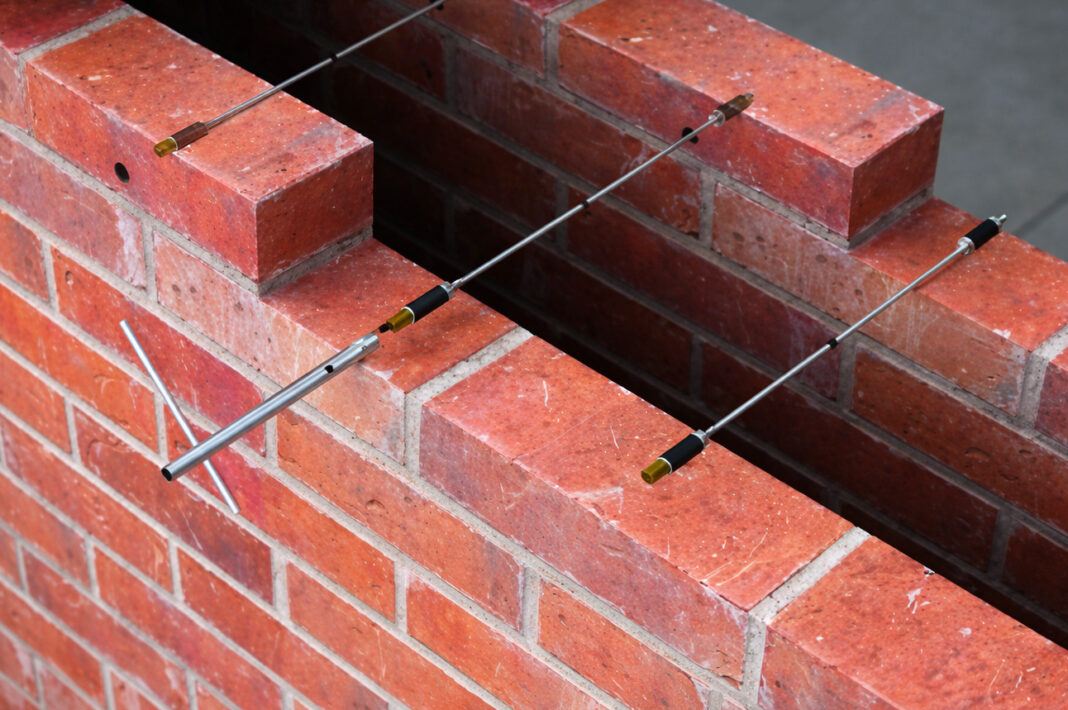
Bricks or blocks are connected across the cavity using wall ties, usually made of stainless steel or corrosion-resistant materials, which maintain stability while preventing thermal bridging.
Importance of Thermal Efficiency
Thermal efficiency in building construction refers to the ability of a structure to retain heat during winters and remain cool during summers, minimizing the need for active heating and cooling systems. A thermally efficient building:
- Reduces energy bills significantly.
- Enhances indoor comfort for occupants.
- Lowers carbon footprint by minimizing reliance on HVAC systems.
- Increases the durability of walls by controlling condensation and moisture ingress.
Cavity walls are particularly effective in moderate to cold climates, where heat retention is crucial. Even in hot climates, they prevent excessive heat from penetrating into indoor spaces.
Applications of Cavity Wall Construction
Cavity wall construction is versatile and widely used due to its thermal, acoustic, and moisture-resistance benefits:
- Residential Buildings: Homes, apartments, and townhouses use cavity walls to improve comfort and reduce heating/cooling costs.
- Commercial Buildings: Offices, hotels, and shopping complexes adopt cavity walls for energy efficiency and indoor climate control.
- Educational & Healthcare Facilities: Schools and hospitals maintain stable temperatures, reduce noise, and prevent dampness.
- Industrial Buildings: Factories and warehouses benefit from temperature regulation, fire resistance, and structural strength.
- Renovation Projects: Existing buildings can be upgraded with cavity insulation to improve energy performance.
- Green Buildings: Cavity walls support eco-friendly standards like LEED and BREEAM, reducing energy use and carbon footprint.
How Cavity Walls Enhance Thermal Efficiency
Cavity walls improve thermal efficiency through several mechanisms:
- Reduction of Heat Transfer:
The cavity acts as a buffer zone, slowing the movement of heat through the wall. In a double-brick wall without a cavity, heat would move directly through the bricks via conduction. By introducing an air gap or insulation, heat transfer is interrupted. - Minimizing Thermal Bridging:
Thermal bridging occurs when heat travels through solid materials like steel or masonry. Properly designed cavity walls with insulated ties or thermal breaks minimize this effect, preventing unwanted heat loss. - Moisture Control:
Moisture can significantly reduce thermal efficiency by saturating wall materials and conducting heat more readily. The cavity helps prevent rainwater from reaching the inner leaf, ensuring that insulation retains its effectiveness. - Use of Insulation Materials:
Filling the cavity with high-performance insulation such as rigid foam boards, mineral wool, or polystyrene beads increases the wall’s R-value (thermal resistance), improving heat retention in winter and keeping interiors cooler in summer.
Materials Used in Cavity Wall Construction
- Bricks and Blocks:
- Common bricks (clay or concrete) are used for the outer leaf.
- Concrete blocks or fly ash blocks are preferred for the inner leaf due to structural requirements.
- Selection depends on load-bearing requirements, fire resistance, and aesthetic preference.
- Insulation Materials:
- Expanded Polystyrene (EPS): Lightweight, moisture-resistant, and thermally efficient.
- Mineral Wool: Excellent fire resistance and thermal insulation.
- Polyurethane Foam: High insulation value and easy installation.
- Glass Wool: Environmentally friendly and highly effective for thermal and acoustic insulation.
- Wall Ties:
Stainless steel or galvanized wall ties maintain the structural integrity of the cavity wall. They should be spaced according to local building codesto balance strength and thermal performance.
Design Considerations
Designing a cavity wall for optimal thermal efficiency involves careful consideration of several factors:
- Cavity Width:
Wider cavities provide better insulation potential. Commonly, 50–100 mm is sufficient, but extremely cold climates may require wider gaps with higher insulation density. - Insulation Placement:
Insulation can be applied within the cavity or externally. Internal insulation is simpler but may reduce usable indoor space. External insulation adds protection against thermal bridging and weathering. - Ventilation of Cavity:
Proper ventilation of the cavity is essential to prevent condensation. Air bricks or vent openings at the base and top of walls facilitate airflow, keeping insulation dry and effective. - Moisture Barrier:
Incorporating a damp-proof course (DPC) at the base and using water-repellent coatings on bricks ensures moisture does not compromise thermal performance. - Wall Tie Design:
Selecting ties with low thermal conductivity and proper spacing prevents heat transfer through the metal components.
Construction Process
The construction of a cavity wall involves several steps:
- Foundation Preparation:
A stable, level foundation ensures that both leaves are aligned and able to carry load efficiently. - Laying the Inner Leaf:
The inner leaf is laid using concrete blocks or bricks, ensuring verticality and alignment. - Creating the Cavity:
Spacers or temporary battens maintain the cavity width between the inner and outer leaves. - Laying the Outer Leaf:
The outer brick layer is built in parallel, with wall ties installed at regular intervals. - Installing Insulation:
If required, insulation is added within the cavity using boards, batts, or loose fill. Gaps between insulation pieces are minimized to avoid thermal leaks. - Finishing:
Mortar joints are carefully filled, and any venting or damp-proofing measures are installed.
Challenges and Considerations
Despite its advantages, cavity wall construction requires attention to detail:
- Correct Installation: Poorly installed ties or insulation can create cold bridges and reduce thermal performance.
- Maintenance: Ventilation openings must remain clear, and wall ties checked for corrosion in older buildings.
- Cost: Initial construction costs may be higher than single-leaf walls, though life-cycle savings offset this.
- Moisture Management: Improper cavity design can lead to water ingress and damp issues.
Conclusion
Cavity wall construction represents a strategic approach to thermal efficiency, energy conservation, and long-term durability. By combining a structural inner leaf, protective outer leaf, and an insulated cavity, these walls address key challenges in modern construction: heat loss, condensation, and acoustic performance.
With careful material selection, proper insulation, and attention to design details, cavity walls provide not only a sustainable and energy-efficient building envelope but also enhanced comfort for occupants. As energy regulations become stricter and the push for green buildings intensifies, cavity wall construction will continue to be a cornerstone of thermally efficient building design.