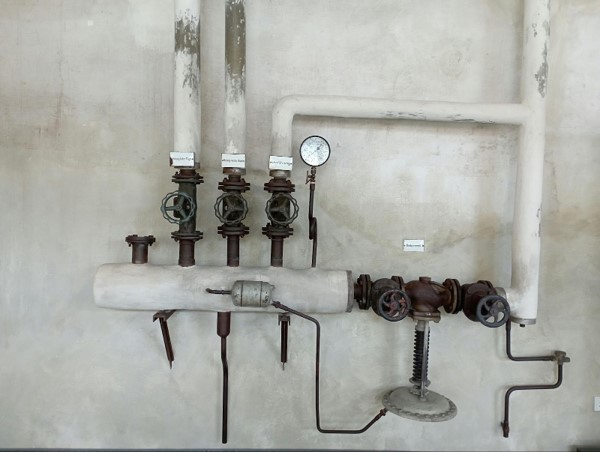
The invisible support structure beneath our homes and cities—our plumbing—is showing signs of age. While many take this network for granted, the impacts of aging plumbing systems are becoming increasingly apparent. From sudden leaks to decreasing water quality, the ramifications touch everyone. Addressing these issues isn’t merely a task for contractors and city officials; it’s a concern for all of us who rely on clean, reliable water every day.
The Problem Beneath Our Feet
Plumbing systems across the country are aging, with pipes that have been in place for decades now deteriorating. Many systems installed during the post-World War II construction boom are nearing the end of their useful lives. As pipes corrode and weaken, leaks become more frequent, and water pressure can plummet. Users may even notice discolored water tainted with rust and other residues leaching from antiquated infrastructure.
Beyond physical deterioration, several external factors also contribute to the strain on these systems. Urban development, increased population density, and historical underfunding of infrastructure projects compound the stress on existing plumbing networks. Rapid changes in water demand and environmental conditions require infrastructure adaptations that often cannot keep pace.
Surprise Costs and Sudden Expenses
For homeowners and municipalities alike, aging plumbing equates to unwelcome costs. When a pipe bursts, the fix isn’t merely a patchwork solution for a localized issue but often requires extensive repairs. These emergencies can bring unexpected financial burdens, weighing heavily on household budgets and municipal funds. Waiting for problems to emerge is risky, as water damage can quickly escalate, leading to costly restoration efforts.
In moments of critical need, having access to an emergency plumbing service like Nichols in Arizona can make a significant difference, addressing abrupt issues before they evolve into bigger, costlier challenges. A swift response by professionals may mitigate extensive water damage and reduce overall repair costs.
Moreover, hidden issues such as damp soil can weaken structural integrity over time. This can prompt further expenditure in the form of expensive foundation repairs and moisture-related restorations that homeowners may not anticipate until visible damage appears. Homes and commercial structures resting on compromised ground face a heightened risk of subsidence.
Public Health Concerns
The state of our plumbing systems is not merely a utility issue but also a public health matter. Outdated pipes can harbor bacteria and facilitate the growth of pathogens, subtly impacting community health. Lead piping, a fixture in older systems, poses a significant health risk, especially in communities with children. Even small amounts of lead exposure can lead to developmental problems and other severe health issues.
Moreover, the chemical treatments required to maintain these aging systems might introduce other concerning contaminants into water supplies. This necessitates not just reactive measures in dealing with emergent health situations but calls for ongoing water quality assessments and adjustments to treatment practices to adapt to changing conditions.
A Collective Responsibility
While large-scale overhauls might seem daunting, communities have a role to play in managing this challenge. Homeowners can contribute by ensuring their systems are regularly inspected, investing in timely repairs, and advocating for systemic updates in their neighborhoods. Understanding the importance of this issue is crucial, as is collective action in pushing for necessary improvements.
Environmental Impact
Water loss due to deteriorating pipes isn’t just a financial matter; it’s an environmental one. Leaking systems contribute to vast amounts of wasted water annually, at a time when water conservation is more important than ever. The continuous loss of treated water not only strains resources but also necessitates the increased energy usage required to keep public water supplies replenished. Reducing these losses should be a priority for anyone concerned about environmental sustainability.
The Path Forward
Addressing aging plumbing systems requires proactive measures. Municipalities have begun exploring various strategies, from prioritizing pipeline replacements to adopting new, long-lasting materials. However, funding remains a significant obstacle, necessitating investment from both public sources and private stakeholders.
Public education campaigns could play a pivotal role in swaying public opinion towards infrastructure investment, educating individuals about their consumption patterns, and championing water efficiency initiatives. Encouraging a community-centered approach that couples economic incentives with educational efforts could help marshal broader societal backing.
Conclusion
The impact of aging plumbing systems is multidimensional, affecting finances, health, and the environment. These problems, though significant, are not insurmountable. As we become more aware of the hidden intricacies below our feet, the opportunity to pave a future with stable, safe, and clean water systems lies within our grasp. It’s a chance to invest in the very systems that support the foundation of our daily lives.
Image Source: https://unsplash.com/photos/i70mRPrtA-E/download?ixid=M3wyNTU4NTN8MHwxfHNlYXJjaHwyfHx0b3Bfa2V5d29yZCUzRCUyN0FnaW5nJTIwUGx1bWJpbmclMjBQaXBlcyUyN3xlbnwwfDB8fHwxNzcwNDQwOTg0fDA