Even in the 1400s before electricity was harnessed and insurance policies written, there was always a healthy respect for the devastation that fire brings along with it. As our technology and infrastructure has upgraded, so have the widespread dangers associated with electrical fires, which remain some of the most common and catastrophic of hazards.
The insurance industry rightfully reveres fires as a top threat to public safety. National Fire Prevention Association research cites:
“In 2024, local fire departments responded to an estimated 1.38 million fires in the United States. These fires caused an estimated 3,920 civilian fire deaths and 11,780 reported civilian fire injuries. The property damage caused by these fires was estimated at $19 billion.
Fire departments responded to a fire somewhere in the US every 23 seconds. A home structure fire was reported every 96 seconds, while a home fire death occurred every three hours, and a home fire injury occurred every 59 minutes.
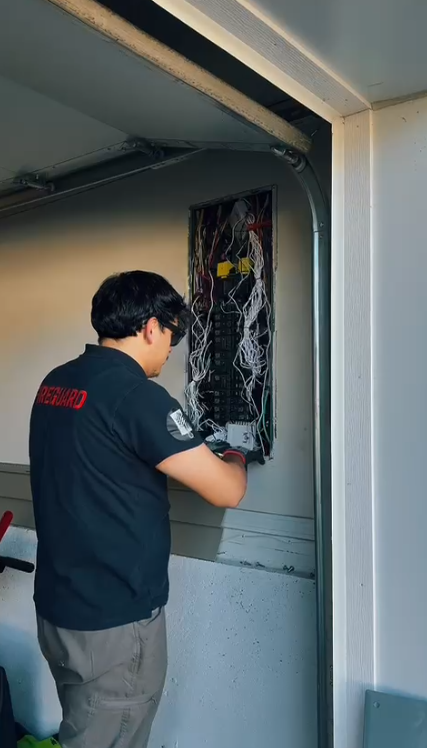
Faulty wiring, overloaded circuits, and outdated panels cause over 50,000 U.S. home fires annually.
The national electrical code has been updated 15 times to include safer electrical standards since the average US home was built in the mid 1970s.”
These numbers are staggering and the harsh reality is many homes are overdue for an inspection.
Arc faults are usually unseen and are one of the major causes of electrical fires. 52% of electrical fires are caused by an arc or short circuit. An arc fault is an unintentional, high-intensity electrical discharge that jumps a gap between conductors. The heat produced is potentially thousands of amps, which can be highly destructive if not contained.
People are not necessarily safe at work either. Contact with electricity is one of the leading causes of fatalities in the workplace. According to the Electrical Safety Foundation International (ESFI), there is an average of 150 workplace electrical fatalities that occur every year in the United States. Among the workers who were fatally injured by electricity, 33% died at a private residence, 28% on industrial premises, and 11% on a street or highway. 96% were employed in a private industry.
Chief Michael Denis, who presides over the Island Park Fire Department (Long Island, NY) and served as a firefighter for 20 years, added some insight into the issues that firefighters walk into everyday.
“My father and my neighbor were both in the fire department, so I grew up around the firehouse and spent a lot of time there,” says Denis. “Being exposed to that environment at a young age inspired me, and I developed a strong desire to help others in need. As a fire chief, the most unsafe electrical issues I’ve seen are usually everyday hazards, such
as overloaded outlets, extension cords used as permanent wiring, and ‘do it yourself’ or unpermitted electrical work.” Denis elaborated further:
“Electrical fires often hide and travel, spreading through walls and wiring and weakening structures before crews realize it. Over the years, a few electrical safety lessons come up again and again. Never assume power is off. Circuits can stay energized or be backfed by generators, solar panels, or batteries, making electrical hazards especially dangerous during overhaul.
Arc flashes and blasts present a risk of severe burns and concussive injuries without warning. Toxic smoke and gases from burning wire insulation can cause serious respiratory harm. And finally, complacency is the biggest danger. Respecting electricity, slowing down, and confirming power control saves more firefighters than any single piece of equipment.”
One way to get ahead of the prevalent electrical fire threat is to install a monitoring system for preventative maintenance.
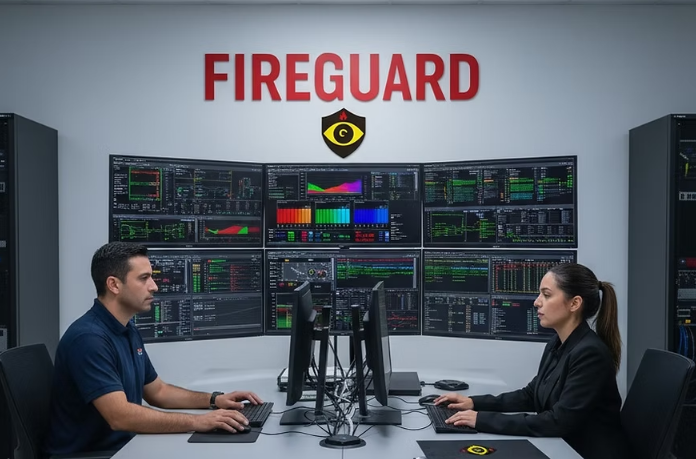
For example, a device called FireGuard, is the first of its kind system that detects abnormalities and overheating in circuits, has been developed by Lights of America CEO Mario Padilla. Padilla, a master electrician with decades of residential and commercial experience, had an epiphany 11 years ago. FireGuard began with a purpose for energy efficiency. That concept later evolved into an unprecedented fire safety device that Padilla hopes will soon be in homes both local and abroad.
FireGuard works through a network of smart sensors that monitor circuits and identify instances of overheating or overload that are usual early warning signs for a fire, saving lives and property in the process. Each system is custom installed and tailored to the individual’s panel, ensuring expert intervention before electrical risks turn into emergencies.
“I initially wanted to develop a device that will help people manage their power, but now the purpose is to reduce hazards and save lives,” said Padilla. “It took a lot of work but we’ve finally got here.”
Insurance companies offer financial incentives in the form of premium discounts, for installation of central station monitoring devices. These risk prevention methods have proven effective in reducing dollars shelled out for property claims, while still protecting home and business owners and freeing up fire departments to respond to other types of emergencies.
– Gerard Fitzgerald, P&C/Life licensed insurance correspondent