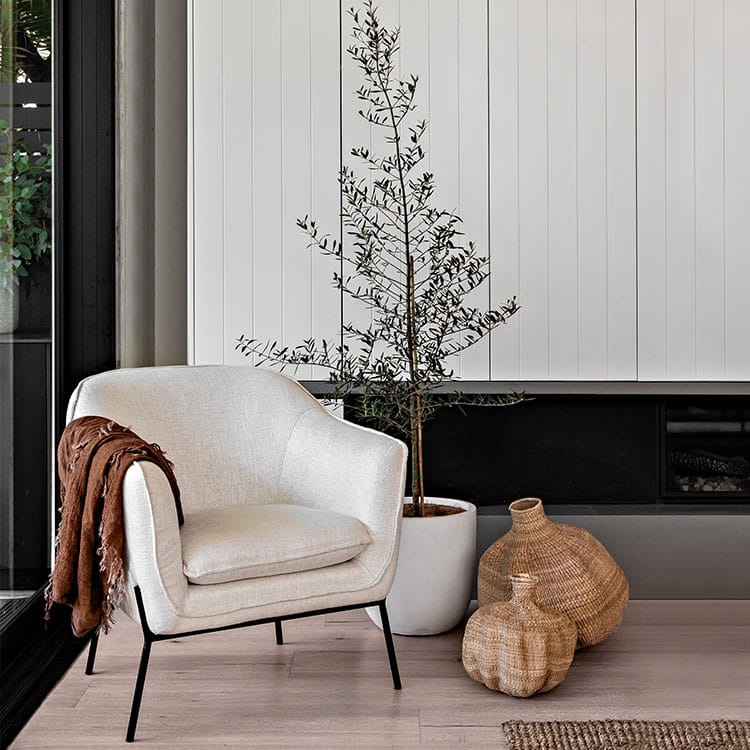
Empty rooms often feel unfinished, not because they lack furniture, but because they lack direction. A complete space shows how it should be used and how people are meant to move through it. When the layout, scale, and finishing details work together, the room begins to feel settled and welcoming. The goal is not to fill every corner, but to create a clear and comfortable structure that makes the space easy to understand.
Start With A Clear Layout
A room starts to feel complete when its layout clearly shows how it is meant to be used. Instead of lining furniture along the walls, placing key pieces in a way that encourages conversation or rest immediately gives the space direction.
In homes prepared for sale or for temporary living, this is often achieved with hired furniture that is selected and arranged to suit the proportions of the room, as seen in styling projects delivered through services like huntleyandco.com.au, where the goal is to present a space that feels practical and ready to live in.
When the layout is resolved, the entire atmosphere changes. Clear walkways, balanced spacing, and furniture that relates to the scale of the room make the space feel calm and intentional. Instead of noticing what is missing, people begin to understand how the room supports everyday life, which is what turns a vacant area into a complete interior.
Choose Furniture With The Right Presence
Scale plays a major role in how complete a room feels. Small or lightweight pieces can make a space seem unfinished because they do not visually hold the area. Furniture with the right proportions gives the room a sense of stability and makes it feel properly furnished without adding more items than necessary. This sense of visual weight helps anchor the space and makes it more inviting.
Focusing on a few well-sized pieces is far more effective than filling the room with many smaller ones. A generous sofa, a properly sized bed, or a dining table that suits the dimensions of the room creates balance straight away. Once these main elements are in place, the rest of the space naturally falls together.
Use Rugs And Lighting To Create Warmth
Soft layers are what turn a furniture arrangement into a comfortable interior. A rug placed beneath a seating or dining setting connects the pieces and makes the layout feel intentional. It shows where the main activity happens and helps the room feel more grounded and complete.
Lighting has the same effect. A single ceiling light often leaves a room feeling flat, while a floor lamp or table lamp adds warmth and depth. This type of layered lighting creates a softer atmosphere and highlights the areas where people are meant to spend time. With the right lighting, even a simple arrangement can feel welcoming and lived in.
Add Texture To Soften The Space
Texture is what removes the stark feeling from an empty room. Upholstered seating, cushions, throws, and curtains introduce comfort and make the space feel more relaxed.
Mixing materials such as timber, fabric, and glass adds gentle contrast and keeps the room visually interesting without making it busy. Designers often refer to this as materiality, but in practice, it simply means combining surfaces so the space feels balanced.
These details also help the room feel settled. A sofa with cushions or a bed with complete linen suggests everyday use, which makes the environment feel natural rather than staged. Even a minimal space becomes more inviting when these softer elements are included.
Style With Restraint And Balance
A room feels complete when it is styled with care, not when every surface is filled. A few well-placed accessories, a piece of artwork, or a simple arrangement on a coffee table can give the space personality while keeping it open and calm. This approach creates composition balance, where each item has room to be noticed.
Leaving some areas clear is just as important as decorating them. Empty space allows the room to breathe and makes the overall layout easier to read. This sense of restraint is what gives a space a finished and comfortable feel rather than making it look crowded.
Creating A Space People Can Picture Living In
Making empty rooms feel complete is about creating clarity and comfort through thoughtful placement, proper scale, and a few well-chosen layers. When the layout makes sense, the furniture suits the space, and the finishing details add warmth, the room no longer feels vacant. It becomes a place that feels ready to be lived in, which is the true measure of a complete interior.