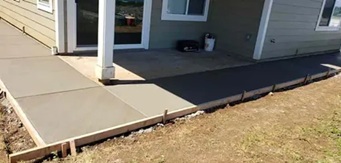
A new driveway seems simple until the first cracks appear. In our work reviewing residential concrete failures across Oahu, we have learned that driveway performance depends less on materials and more on who installs them. Many homeowners assume any contractor with a mixer can deliver reliable concrete. That assumption leads to costly repairs, drainage problems, and premature surface breakdown. A driveway in Hawaii faces heat, salt air, moisture, and shifting soils that few general contractors fully understand.
Hiring a concrete specialist is a structural decision with long-term consequences. This is why selecting experienced concrete professionals in Oahu within the first stages of planning often determines whether a driveway lasts decades or begins failing within years.
Hawaii’s Climate Makes Driveway Construction Unforgiving
Concrete behaves differently in tropical environments. High humidity slows curing. Salt exposure accelerates reinforcement corrosion. Volcanic soils shift under load. Rainfall patterns challenge drainage design. These factors create conditions that magnify installation errors.
Based on experience evaluating failed driveways in Kaneohe and Kapolei, most surface cracking traces back to subgrade preparation mistakes rather than poor materials. Without proper compaction and moisture control, slabs lose support and fracture under normal vehicle loads.
The Federal Highway Administration notes that inadequate subgrade preparation is one of the leading causes of early pavement distress and premature performance loss because the subgrade must provide stable support for the pavement structure. Local contractors who understand Hawaii’s soil behavior design bases differently than mainland installers. That difference directly affects longevity.
Why General Contractors Struggle With Concrete Performance
General contractors often subcontract concrete work or treat it as a simple placement task. In practice, driveway performance depends on engineering details that many crews do not control carefully.
In our field inspections, we routinely see three recurring problems:
- Insufficient base thickness
- Improper moisture conditioning before placement
- Inadequate joint spacing
Each of these errors increases crack probability significantly. Concrete professionals design slab thickness based on vehicle weight, soil classification, and drainage exposure. They adjust curing schedules for humidity and heat.
According to the American Concrete Institute, concrete strength development depends on maintaining adequate curing conditions, and research shows that failure to properly cure concrete can reduce its compressive strength by over 30 % compared with properly cured specimens. Generalists rarely monitor curing conditions with this level of precision.
The Tradeoffs That Only Specialists Explain
Concrete design always involves tradeoffs. Thicker slabs increase cost but reduce cracking risk. Higher cement content improves early strength but raises shrinkage potential. Steel reinforcement controls crack width but increases corrosion risk in salt environments.
Specialists explain these tradeoffs clearly before construction begins.
In coastal Honolulu neighborhoods, we often recommend fiber reinforcement combined with epoxy coated rebar. This increases initial cost but dramatically reduces long-term corrosion damage. Many homeowners never hear these options discussed.
A contractor who cannot explain why a design fits your environment likely did not design it carefully.
Common Mistakes That Ruin Driveways Early
Based on years of site evaluations, three mistakes account for most early failures.
First, placing concrete on wet or unstable soil. This leads to settlement cracks within one year.
Second, ignoring drainage slope. Standing water accelerates surface scaling and freeze damage during rare cold events.
Third, cutting control joints incorrectly. Joints placed too far apart force random cracking across the slab. According to the American Cement Association, properly spaced joints in concrete help eliminate random cracking by creating planned points of stress relief compared with slabs without adequate jointing. These details separate professionals from installers.
Local Conditions Demand Local Expertise
Oahu’s geography varies dramatically across short distances. Windward areas receive far more rainfall than leeward communities. Coastal soils differ from upland clay. Groundwater levels change slab design requirements.
In our consulting work in Ewa Beach, we specify thicker bases than in Mililani for identical driveways because of higher moisture exposure. Mainland specifications rarely account for these differences.
This is where local experience becomes essential. A contractor unfamiliar with island conditions may follow generic standards that underperform here.
Process Control Matters More Than Price
Low bids often signal shortcuts. In our audits, undercompaction appears more frequently in budget installations than in premium work. Poor compaction leads to settlement, cracking, and joint separation.
Ask whether your contractor performs:
- Soil density testing
- Slump testing during placement
- Temperature monitoring during curing
- Post placement joint inspection
Contractors who test and document their work reduce failure risk significantly.
How to Verify Contractor Quality Without Marketing Claims
The most reliable indicator of performance is age. Ask to see driveways completed five to ten years ago in your area. Inspect crack patterns, joint performance, and surface wear.
Speak with homeowners about drainage behavior during heavy rain. Ask how many repairs were needed. Marketing photos never show long-term results.
In our experience, contractors who willingly provide aging project references consistently deliver better work.
Why Professional Design Protects Property Value
A driveway is structural infrastructure. Cracking reduces curb appeal, affects drainage near foundations, and can trigger code compliance issues during resale.
In Hawaii’s competitive real estate market, surface condition influences buyer perception immediately. A failing driveway suggests deeper construction problems even when none exist. Investing in professional installation preserves both functionality and valuation.
Final Advice
A driveway built correctly disappears into daily life. One built poorly becomes a recurring expense. Hire professional contractors who understand Hawaii’s soils, climate, and drainage realities. Demand process transparency, documented quality control, and long-term project references. Avoid decisions based solely on price.