
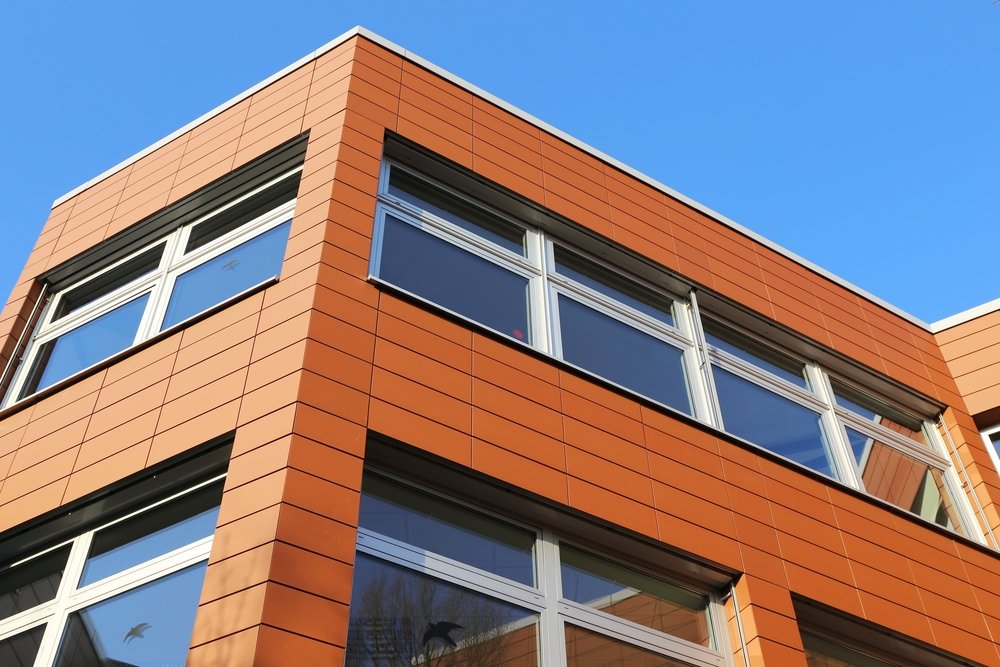
External walls’ and building envelopes’ material choice immediately influences structural behavior, energy consumption, durability, and fulfillment of building rules. External walls form the barrier separating inside areas from their surroundings. They manage wind and rain exposure, air leakage, moisture penetration, and heat transfer. A carefully designed building envelope lowers long-term repair needs, cuts energy consumption, and enhances interior comfort.
Key Considerations for Material Selection
Material decisions should follow performance needs rather than appearance or short-term cost savings.
- Thermal performance and insulation value
- Moisture resistance and weather durability
- Fire safety and code compliance
- Structural compatibility and load transfer
- Lifecycle cost and maintenance requirements
Common Materials Used in External Walls
The choice of materials shapes both performance and constructability. Different options suit different building types, climates, and functional needs.
Reinforced concrete and precast concrete
Often used where fire resistance and strength are vital are concrete walls. Precast components aid to maintain uniform quality across major projects and cut down on site labor.
Brick masonry and blockwork
Masonry is still used frequently since it is local and familiar. Including cavity walls or insulation layers increases thermal and moisture performance.
Stone and stone cladding
Stone is often used in civic and heritage projects for its durability. Long-term performance depends on fixing systems, movement allowance, and drainage provisions.
Metal cladding
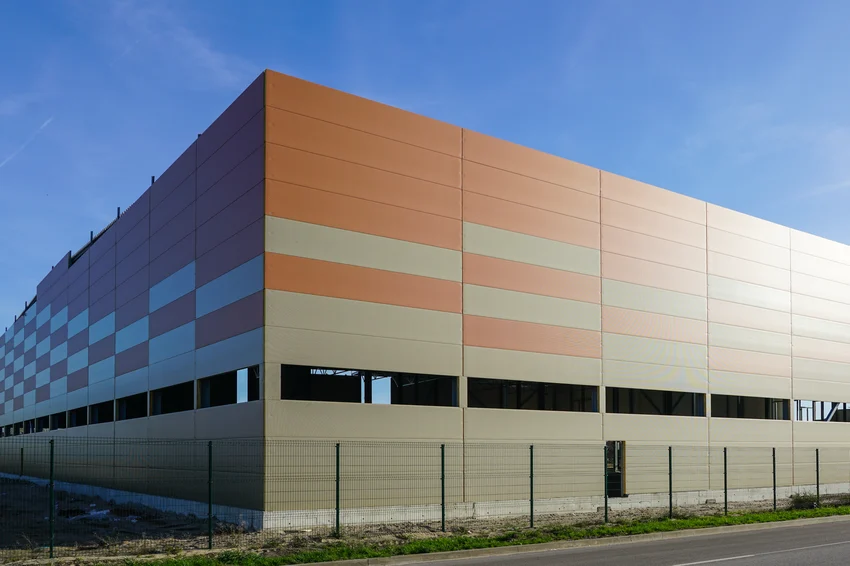
Metal cladding systems are practical for industrial and commercial buildings. They reduce dead load but require careful attention to insulation and corrosion control.
Glass facades and curtain walls
To increase outdoor vision and sunlight, glass systems are chosen. Performance depends on glazing specification, joint sealing, and shading integration.
Insulated sandwich panels
These panels offer built-in insulation in a small wall design. Where thermal consistency and rapid building are needed, they are often utilized.
Thermal & Energy Performance
Both interior comfort and energy use are influenced by the outside wall material choices. Materials with poor thermal conductivity assist to meet energy code requirements and cut heat transfer. With insulated wall systems targeting heat gain in warm areas and continuous insulation enhancing performance in colder ones, climate-specific solutions are needed.
- Use continuous insulation to reduce thermal bridges
- Select materials compatible with local climate conditions
- Align wall performance with HVAC design assumptions
Moisture Control & Weather Resistance
- Provide proper drainage layers and air gaps
- Match vapor permeability to climate and occupancy
- Use durable finishes for pollution and UV exposure
Fire safety requirements for external walls
- Verify fire ratings of facade and insulation materials
- Avoid incompatible material combinations
- Follow applicable national and local fire regulations
Durability, Maintenance & Lifecycle Value
Government and infrastructure projects require materials that can perform reliably over long service periods. Durable materials help limit repair work and reduce disruption during operation.
- Use materials with a proven service record
- Prefer materials that are readily available for repair or replacement
- Review lifecycle cost alongside initial construction cost
Conclusion: System Performance and Durability
External walls perform best when the construction envelope is seen as a system rather than merely one material. Early cooperation among MEP, architecture, and structural teams helps to minimize problems on site. Performance checks and mock-ups prior to execution verify design assumptions. Choice is steered by climate, building use, and rules; no one substance serves every endeavor. Concentrating on system performance and durability guarantees walls function dependably throughout the long run.
