
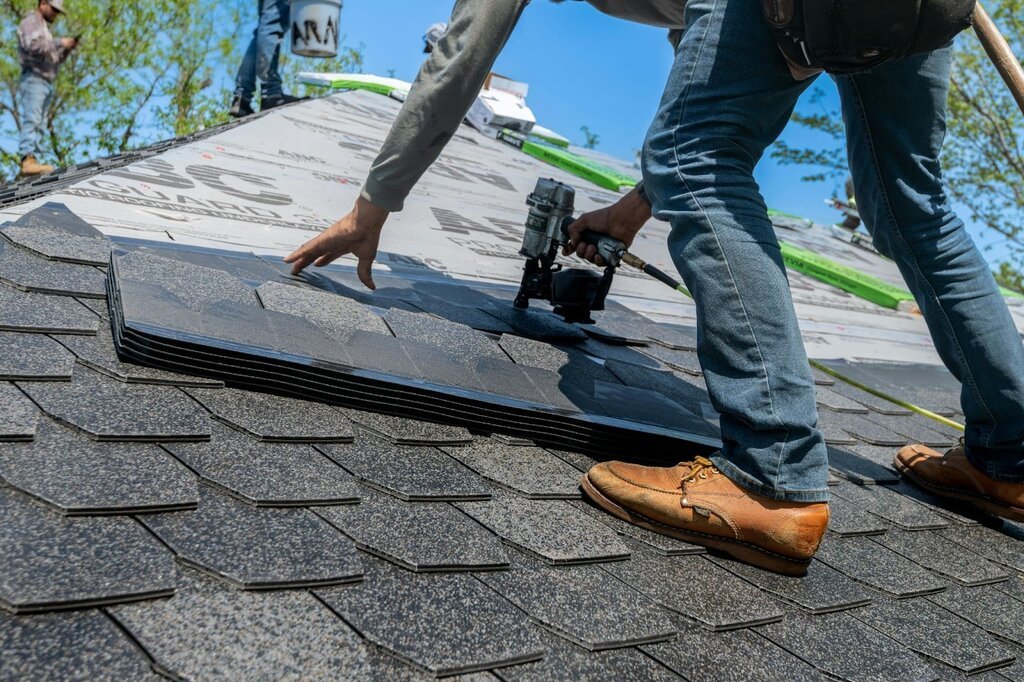
Here’s the thing about roofs—they won’t send you a courtesy text before everything goes sideways. You’re cruising along just fine, then suddenly you’re in full panic mode hunting for a contractor willing to tackle a leak while rain’s pouring down. Emergency fixes will hammer your wallet hard, running three to five times what regular maintenance would’ve cost. And we haven’t even touched on what water does to your inventory or equipment once it gets inside.
Property owners who commit to routine roof inspections pocket roughly 30% savings on repair bills versus the “wait and see” crowd Green Ladder Roofing. Bottom line? Preventive roof maintenance protects the money you’ve sunk into your property.
The True Cost Comparison: Preventive Roof Maintenance vs Emergency Repairs
Getting a clear picture of what proactive care costs versus scrambling when disaster strikes? That’s what changes everything about your roofing strategy. Let’s look at the real numbers when you’re behind the eight ball versus staying two steps ahead.
Breaking Down Emergency Roof Repair Expenses
Call someone for emergency roof repair and watch the premium pricing kick in. Contractors understand your desperation perfectly. After-hours or weekend work? Tack on another 50% to 100%. Rush delivery on materials adds more charges you’d never see with planning.But here’s what stings—your roofer’s bill tells only part of the story. Water doesn’t just drip politely into a bucket. It destroys insulation, ruins ceilings, wrecks inventory. If you’re running a business, downtime during repairs means revenue vanishing into thin air. Nobody itemizes that lost income on repair estimates.
Annual Preventive Maintenance Investment
Routine maintenance for most commercial buildings lands between $300 and $1,000 yearly. You’re getting bi-annual inspections, minor seal fixes, debris cleanup, gutter maintenance. It’s predictable. You can budget it without nasty surprises derailing your quarterly planning.San Jose presents its own quirks—bone-dry summers followed by winter rains that occasionally mean business. Building owners dealing with commercial roofing in San Jose get real advantages from scheduled maintenance that readies the roof for seasonal shifts.
Mild temps mean you’ve got year-round opportunities for preventive work minus weather-related delays. Stack that thousand-dollar annual spend against one emergency repair averaging $5,000 to $15,000. You could maintain your roof for 5 to 15 years for what a single crisis costs.
The Multiplier Effect of Delayed Maintenance
Small problems laugh at staying small—they breed. That $200 flashing fix you ignored? Give it two years, and you’re staring down $5,000 in structural damage. Water operates like a detective, finding every weakness and exploiting it mercilessly. Time becomes your enemy from day one.
That barely-there leak lets moisture infiltrate your decking. Rot follows. Structural integrity crumbles. Now you’re not patching anything—you’re replacing whole sections. Grasping roof maintenance vs repair means spotting this escalation before it decimates your budget. Maintenance tackles stuff at the $100 to $500 range; repairs start at $1,000 and shoot upward fast.
Understanding Roof Maintenance vs Repair: Key Distinctions
Plenty of property owners struggle to draw clean lines between routine upkeep and actual repair projects. Understanding this distinction keeps your budget honest and prevents contractors from overselling services you don’t need yet.
Defining Preventive Maintenance Activities
Maintenance equals scheduled, routine tasks keeping your roof operational. We’re talking inspections, gutter cleaning, debris removal, resealing minor cracks, and flashing checks. These activities stop problems from materialising initially.Most maintenance work won’t break the bank or eat your calendar. Professionals knock out standard inspections and minor upkeep in a few hours. You’re buying information and small fixes that prevent big headaches.
When Maintenance Becomes Repair
Repair work enters the picture when something’s actively broken or failing. Replacing damaged shingles, stopping leaks, patching membranes, and fixing structural concerns. The approach becomes reactive instead of preventive.Cost and complexity spike noticeably. Repairs demand specialised materials, extended labour, and potentially permits. You’re addressing damage that’s already happened rather than heading off future trouble.
The Grey Area: Proactive Repairs During Maintenance
Smart roofing maintenance tips include handling minor discoveries during inspections before they escalate. Your contractor might notice loose flashing or worn sealant that’s hanging on but won’t make it through next season.Addressing these borderline issues during scheduled visits saves considerable cash versus waiting for complete failure. You’re paying standard rates without emergency markups, and you’re preventing the domino effect that follows total breakdowns.
Comprehensive Roofing Maintenance Tips for Different Roof Types
Different roofing materials demand customised maintenance approaches. Strategies that work for asphalt shingles don’t translate to flat commercial membranes, and metal roofs play by their own rules entirely.
Flat and Low-Slope Commercial Roof Care
Flat roofs have this nasty habit of collecting ponding water—standing water refusing to drain within 48 hours. Check drainage paths quarterly and eliminate blockages immediately. Membrane seams require annual scrutiny because that’s ground zero for most leaks.
Studies confirm that preventive maintenance stretches roof lifespan by up to 50%, Green Ladder Roofing. For flat commercial roofs, we’re talking 30 years of service versus 20, which translates to massive cost avoidance over time. Watch for blistering or bubbling on membrane surfaces. These signal trapped moisture that’ll worsen through every temperature swing. Catching them early means simple patches instead of replacing entire sections.
Asphalt Shingle Roof Maintenance Protocol
Shingles broadcast their condition through granule loss. Check your gutters—if granules pile up there, your shingles are deteriorating. Look for curling, cracking, or missing shingles after every serious storm.Algae and moss aren’t merely cosmetic annoyances. They trap moisture against your shingles, speeding up deterioration. Treat them with appropriate solutions before they establish strongholds. Valley areas where roof planes meet deserve extra attention because water flow concentrates there.
How to Prevent Roof Leaks: A Proactive Strategy
Learning how to prevent roof leaks begins with identifying where they typically originate. Flashings around chimneys, vents, and skylights represent the majority of leak sources. Examine these penetrations twice yearly for gaps or deterioration.Pipe boots—those rubber seals around plumbing vents—crack from sun exposure. They’re inexpensive and simple to replace, but cause expensive destruction when they fail. Inspect them every maintenance visit and replace them proactively every 5-7 years.
Weather-based prevention means prepping your roof before seasonal challenges arrive. Clean gutters ahead of fall rains, verify seals before winter freeze-thaw cycles, and inspect for storm damage immediately after severe weather passes through.
Common Questions About Preventive Roof Maintenance
1. Why is preventive maintenance better than breakdown maintenance?
Preventive care delivers predictable workflows and budgets while eliminating crisis-mode stress. It extends asset life, reduces environmental waste from premature replacements, and hands you strategic control over your property instead of letting emergencies dictate your schedule and spending.
2. Why is preventive maintenance more cost effective than corrective maintenance in the long run?
Tackling issues before complete failure minimizes unplanned downtime and disruption. While preventive work demands upfront investment, it prevents costly emergency repairs, rush material expenses, and collateral damage from water intrusion—preserving substantial capital over your roof’s lifetime.
3. How often should I schedule professional roof inspections?
Most roofs benefit from bi-annual professional inspections—generally spring and fall. Older roofs (15+ years) or those facing harsh climates may need quarterly evaluations. Always inspect following major storms regardless of your regular schedule to identify damage before it compounds.
Taking Action on Your Roof’s Future
Preventive roof maintenance converts your biggest overhead expense into a manageable, predictable investment. The financial argument overwhelms—you’ll spend a fraction on scheduled care compared to emergency fixes, extend your roof’s useful life dramatically, and sidestep the operational chaos accompanying unexpected failures.Don’t let water stains on your ceiling force your hand. Schedule that inspection today, establish your maintenance calendar, and pivot from reactive crisis management to proactive asset protection. Your roof—and your budget—will reward you for years ahead.






