
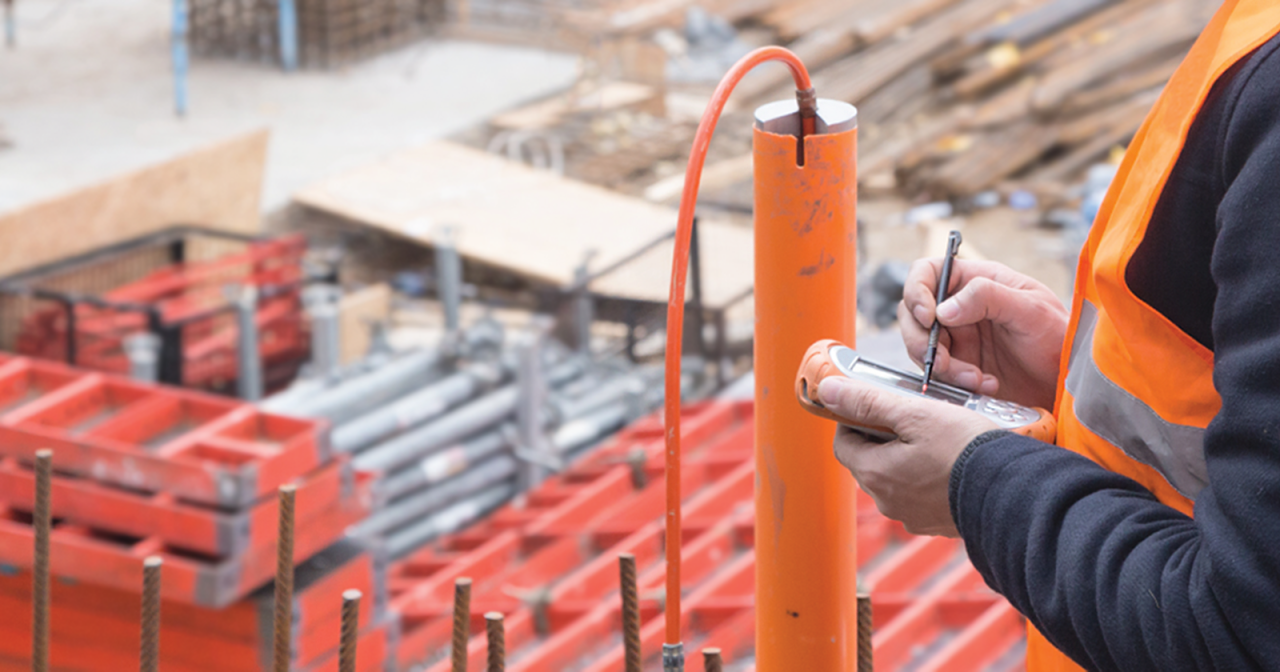
Instrumentation and monitoring provide real data on soil and structural performance. They help engineers, consultants, and authorities verify designs, manage construction risks, and maintain long-term safety. These systems focus on practical, field-relevant monitoring rather than theory, making them essential for safe and reliable geotechnical projects.
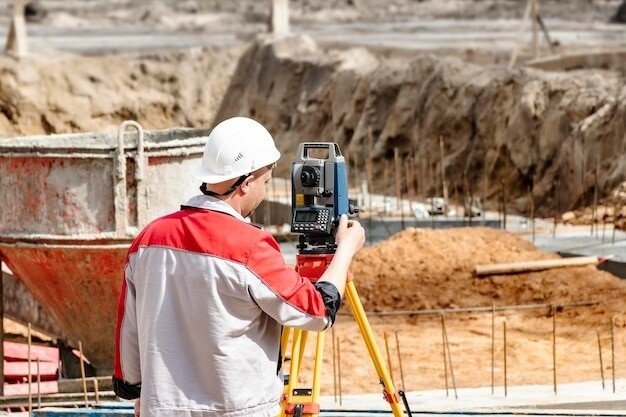
The Importance of Geotechnical Monitoring
Even detailed surveys can’t show every ground change. When building tunnels, foundations, or embankments, soil and rock can shift unexpectedly. Using instruments to monitor the site helps:
- Detect problems like uneven settlement or slope instability early
- Ensure the project performs as planned, especially for critical structures
- Fix issues before they become serious
Core Functions of Monitoring Systems
Instrumentation in geotechnical projects is used to observe both ground and structural response under working conditions.
Typical functions include:
- Measure deformation, displacement, and settlement
- Monitor groundwater levels and pore water pressure
- Track lateral soil movement and slope behavior
- Verify load transfer and foundation performance
These measurements allow informed decision-making rather than reliance on visual inspection alone.
Common Geotechnical Instrumentation Products
A wide range of instruments is used depending on project type, soil conditions, and monitoring objectives.
Typical products include:
- Piezometers – monitor pore water pressure and groundwater response
- Inclinometers – measure lateral soil and slope movement
- Settlement plates and gauges – track embankments and soft ground behavior
- Extensometers – detect vertical or horizontal displacement
- Load cells and pressure cells – measure foundation and structural loads
- Crack meters and tilt sensors – monitor structural movement
Hybrid Comparison Table: Instruments, Purpose, and Typical Applications
| Instrument Type | Purpose / Measured Parameter | Typical Applications | Key Notes |
| Piezometer | Pore water pressure, groundwater levels | Dams, slopes, excavations, foundations | Continuous or manual monitoring; triggers early intervention |
| Inclinometer | Lateral soil movement, slope stability | Embankments, landslides, cuttings | Helps detect early slope failure or lateral displacement |
| Settlement plate / gauge | Vertical settlement or ground compression | Embankments, soft ground, deep excavations | Simple, reliable, tracks progressive settlement |
| Extensometer | Vertical or horizontal displacement | Foundations, tunnels, retaining walls | Can measure multiple points over time for trend analysis |
| Load cell / Pressure cell | Foundation or structural loads | Bridges, towers, heavy structures | Validates load transfer and design assumptions |
| Crack meter / Tilt sensor | Structural movement, cracks | Retaining walls, slabs, structural elements | Supports safety checks and maintenance planning |
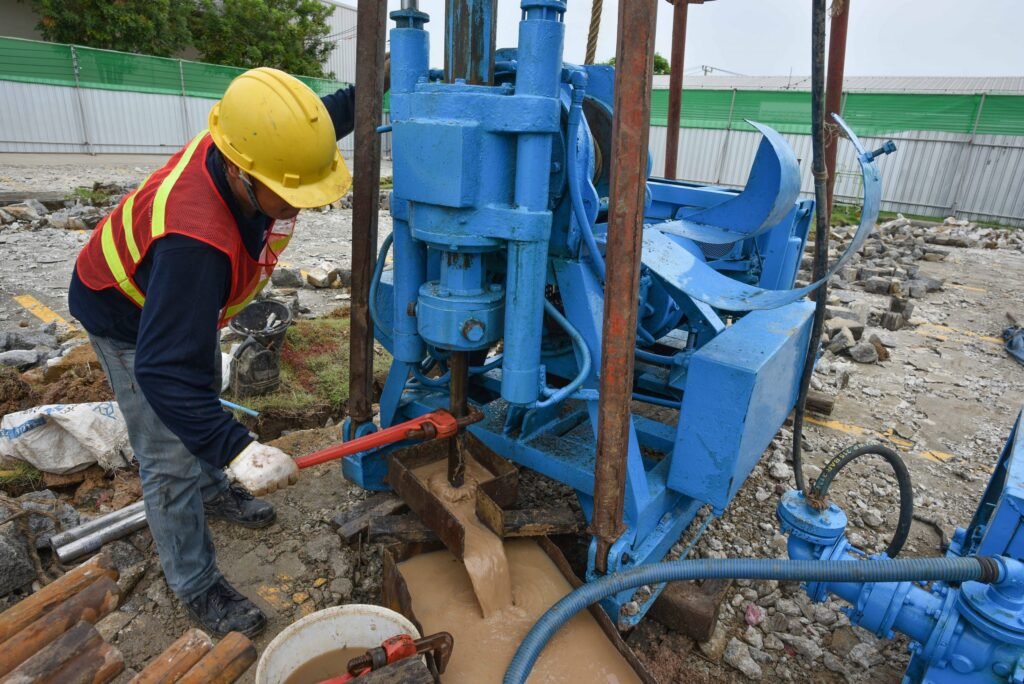
Benefits for Project Stakeholders
Instrumentation provides value across all stages of a geotechnical project, from design validation to asset operation. For public infrastructure and regulated works, monitoring is often mandatory.
Key advantages:
- Early identification of potential geotechnical risks
- Improved safety during excavation and construction
- Validation of design assumptions using real field data
- Better control over construction sequencing
- Reduced risk of unexpected failures or disputes
- Supports compliance reporting and long-term asset management for government clients
Why Data Acquisition and Interpretation Matter
Geotechnical monitoring today uses smart sensors and automated logging, often with remote access. Continuous monitoring gives engineers a clear picture of ground behavior. Key points include:
- Defining trigger points and reporting methods before construction
- Making sure thresholds are clear so site teams can respond quickly
- Focus on interpreting the readings correctly, not just collecting them
Where Geotechnical Instrumentation Is Used
- Basements & deep excavations – watch soil and structures
- Dams & embankments – check for stability
- Tunnels & underground utilities – track safety during digging
- Slopes & landslide zones – detect early movement
- Heavy foundations – ensure long-term performance
Practical Takeaway
Instrumentation and monitoring are essential tools when used thoughtfully. Selecting appropriate sensors, installing them correctly, and setting clear thresholds provides engineers and authorities with reliable field information. This allows teams to spot early signs of settlement, slope shifts, or structural movement, check that designs are performing as intended, and maintain stability over the long term. A straightforward approach helps manage uncertainty, reduce risks, and maintain confidence throughout construction and operation.
