
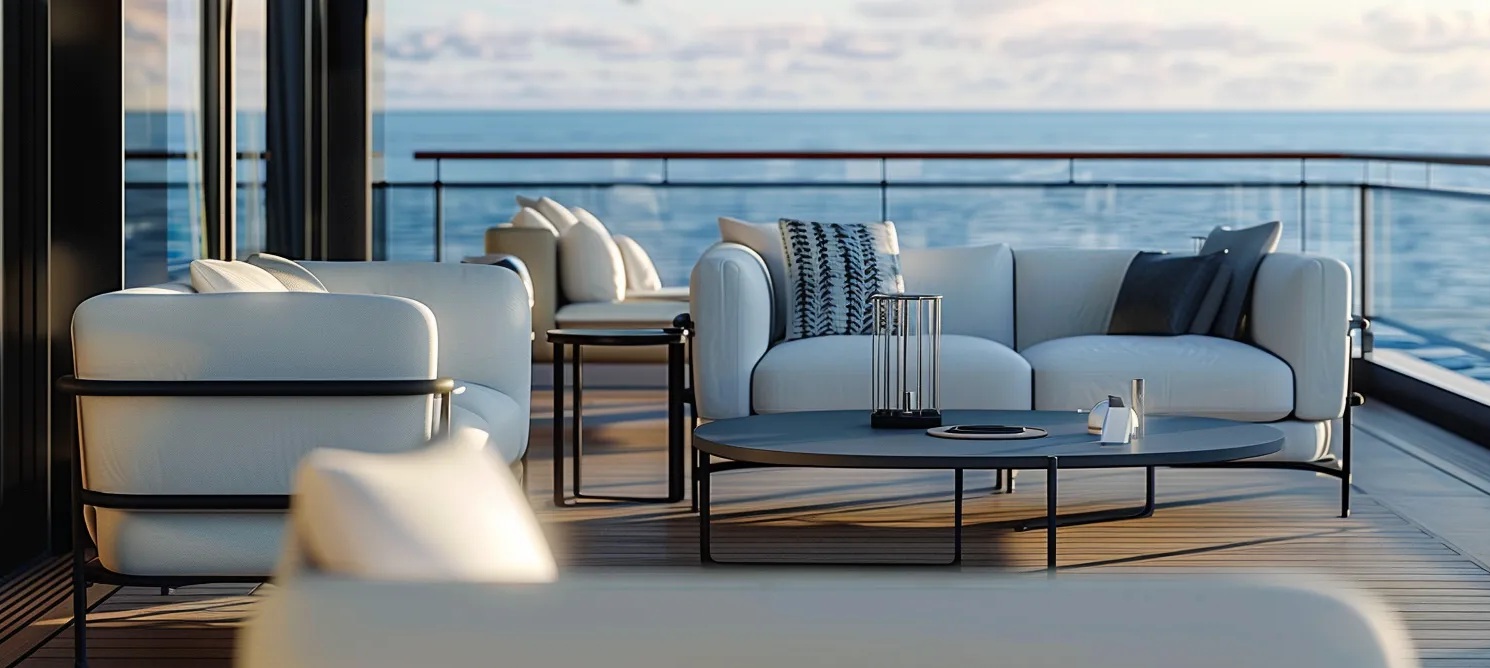
Embarking on a journey across the open seas requires more than just a ship; it necessitates a haven of comfort and style for passengers. Cruise lines today are increasingly focusing on providing this experience through custom furniture that not only looks good but also withstands the rigors of maritime life. Choosing the right furnishings is essential to setting the tone and ensuring guest comfort on board. This article provides invaluable insights and top tips for creating an environment that invites travelers to relax in luxury and style. Keep reading to discover how to make the best choices for your cruise line’s furniture needs.
Understanding the Unique Furniture Needs of Cruise Lines
The context of a cruise ship is distinct from land-based establishments, space is at a premium, and the furniture must continually withstand the movement and environmental conditions at sea. Furniture selections must be space-efficient without compromising on comfort. The challenges of a fluctuating clientele demand a flexible, adaptable design to cater to diverse tastes and needs.
Moreover, the furniture must comply with the stringent safety requirements for maritime environments. These include non-slip surfaces, resistant materials to saltwater and sunlight, and securing mechanisms for rough seas. Integrating furniture that complies with these standards while maintaining a luxurious aesthetic is central to successful cruise ship interior design.
Additionally, the longevity and maintenance of custom cruise furniture are vital considerations. Frequent use requires materials and construction that are durable. Easy-to-clean surfaces, durable fabrics, and high-resilience foams are crucial to preserving the furniture’s new, inviting look over time.
Lastly, the furniture’s functionality extends to its versatility. The ability to convert and repurpose pieces for different events or times of day can be especially beneficial on a cruise ship, where space is limited. The flexibility of custom furniture can help maximize the utility of every square foot on board.
Balancing Aesthetics and Functionality in Marine Furniture Design
In the world of cruise ship furnishing, there is a fine line between form and function. Aesthetics play a significant role in shaping a cruise line’s character and in contributing to the overall guest experience. Yet, the furniture must remain practical, supporting the day-to-day operations of a maritime vessel.
Furniture designers must therefore be adept at creating pieces that balance style and practicality. This involves selecting visually appealing designs that also incorporate features such as hidden storage or foldable components. Sometimes, furniture may need to serve dual purposes, such as benches that transform into emergency flotation devices.
Establishing a cohesive aesthetic throughout the ship is also key to balancing design and utility. The onboard environment should flow seamlessly, with the furniture acting as a link between different areas of the vessel. It should reflect the cruise line’s signature style while remaining highly functional.
When form meets function, the result is furniture that not only enhances the cruise ship’s appeal but also efficiently meets guests’ needs. This dual focus on beauty and practicality creates a harmonious, hospitable environment on deck, where every piece of furniture enhances the voyage experience.
Selecting Durable Materials for High-Traffic Cruise Environments
The cruise ship environment is characterized by constant use and exposure to diverse factors that can wear down ordinary furniture. High-traffic areas, such as lobbies, dining rooms, and pool decks, require materials that withstand consistent use while maintaining their appearance and functionality over time.
Choosing the right materials is an investment in the longevity of the cruise line’s furnishings. Hard-wearing textiles, marine-grade metals, and robust synthetic blends can be more cost-effective over the long term than cheaper, less durable options. Materials that resist fading, staining, and mildew are vital for both indoor and outdoor pieces.
Moreover, sustainability is an important aspect of modern cruise ship operations. Selecting environmentally friendly materials not only aligns with global conservation efforts but also meets the expectations of eco-conscious guests. Cruise lines are increasingly seeking out recyclable or renewable materials that minimize environmental impact without sacrificing quality or comfort.
It’s not just the primary components of furniture that need to be resilient; hardware such as hinges, handles, and fixtures must also be suitable for maritime conditions. Hardware that resists corrosion and withstands frequent use will help ensure the furniture remains functional and attractive for years to come.

