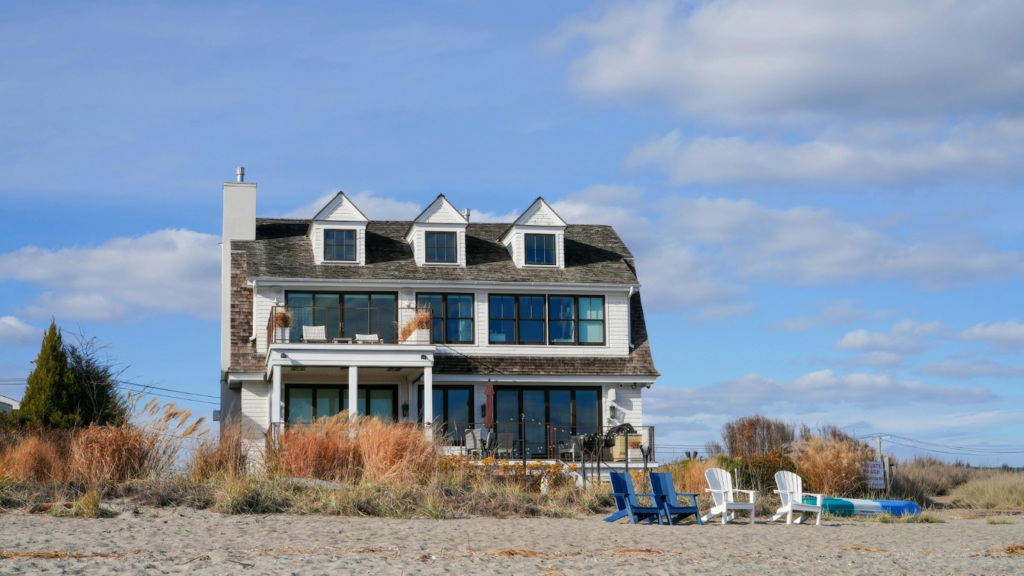
Ever lost out on the perfect beach house because someone else grabbed it while you were still daydreaming about your trip? It stings. And honestly, it happens way more than it should. The gap between landing that stunning oceanfront property and having to settle for something inland often boils down to one thing: timing.
Figuring out when to book a vacation home goes beyond simple convenience, you’re really talking about access to better properties, genuine cost savings, and keeping your sanity intact while planning. This guide walks you through booking windows that genuinely matter, so you can lock down amazing places before they vanish.
Peak Season Booking Windows: What the Data Reveals
Here’s something most people miss: the vacation rental market runs on pretty predictable cycles. Research confirms that planning timelines swing wildly depending on where you’re headed and what time of year.
Summer Coastal Properties Require Advanced Planning
Most Rental hosts open their calendars anywhere from 12-18 months out, though you’ll find plenty that only allow bookings 6-12 months ahead. Beach spots during those hot summer months? You’ll want to book at least 6-9 months before you go. Wait until April to reserve something for July, and you’re basically sifting through leftovers.
Markets along Florida’s Gulf Coast fill up at ridiculous speeds. Once you hit that 4-month countdown before arrival, popular beaches have already lost most of their good inventory.
Mountain Destinations Follow Different Timelines
What ranks among America’s top mountain getaways, Jackson, Wyoming. It is blending exceptional skiing with incredible summer adventures. Its location near Grand Teton National Park and Yellowstone creates year-round appeal for families and outdoor enthusiasts. Jackson rental homes command higher prices here because inventory stays tight and demand never really drops off.
When you’re eyeing peak seasons in Jackson, in this competitive market you typically need booking 9-14 months ahead, particularly for winter ski season or the packed summer period. This market moves faster than most mountain communities, partly because there’s no easy way to expand inventory like coastal regions can. You’re competing against repeat guests who reserve their favorite spots immediately after checking out.
Winter Holiday Rentals Need Year-Round Planning
Thinking about a ski vacation or warm tropical escape this winter? Start looking 10-14 months before your target dates. Ski resort properties frequently release calendars a full year early, and prime locations near lifts evaporate within weeks. The best time to book vacation rental spots for winter holidays actually falls during the previous winter season while snow and skiing are already on your mind.
Now that seasonal timing makes sense, let’s dig into how specific property types completely reshape your booking approach.
Property Type Changes Everything
Different vacation homes operate on wildly different booking rhythms. What works for a standard condo won’t apply to specialty properties that fill up at their own pace.
Large Group Accommodations Disappear First
Properties that sleep 10+ people make up less than 15% of available vacation rentals, yet they handle a massive share of demand. Family reunions, wedding groups, corporate retreats, everyone’s fighting over these spaces. You’ll need 9-15 months advance notice for multi-family properties during busy seasons. Plus, coordinating large groups takes time anyway, so early commitment actually helps.
Multi-generational trips face the biggest booking headaches. Getting everyone’s schedule to line up takes forever, and by the time you’ve reached agreement, the best places are already gone.
Luxury Properties Play By Their Own Rules
High-end vacation homes frequently don’t even show up on major booking sites. Property managers keep private client lists, and returning guests get first dibs. When these places do hit the public market, they’re gone in days. Premium waterfront spots or architecturally stunning homes require building relationships with management companies months before you actually need to book anything.
Pet-Friendly Rentals Require Extra Lead Time
Only around 20-30% of vacation rentals welcome pets, which creates artificial scarcity for anyone traveling with animals. Bringing your dog along? Add 2-3 months to whatever booking window you’d normally consider. Pet-friendly beachfront properties especially get snatched up fast since they combine two limiting factors, waterfront appeal and pet acceptance.
Smart booking approaches protect your plans even when unexpected stuff happens.
Flexible Booking Strategies Protect Your Investment
Nobody likes losing deposits when life gets in the way. The pandemic permanently changed how cancellation policies function across vacation rentals.
Understanding Cancellation Policy Tiers
Properties usually offer three cancellation structures: flexible (full refund until 24-48 hours before), moderate (50% refund up to 5-7 days prior), or strict (no refunds within 60 days). Flexible policies often run 10-15% more per night, but that’s basically cheap insurance if your dates aren’t carved in stone. Over 60% of travel bookings now happen on mobile devices, which makes monitoring and adjusting reservations easier than ever.
Travel Insurance Fills the Gaps
Quality travel insurance covers scenarios that cancellation policies don’t, medical emergencies, weather disasters, or unexpected work conflicts. Policies typically cost 4-8% of your total trip but can save thousands when things go sideways. Don’t wait until after booking to check insurance prices; build it into your initial budget from the start.
Split-Stay Strategies Maximize Flexibility
Booking two different properties for one longer trip reduces your commitment risk. If the first week disappoints, you’re not trapped in the same place. This tactic works particularly well for exploring different neighborhoods in one destination or testing shoulder season against peak season experiences.
Understanding platform differences helps you book both smarter and faster.
Platform-Specific Booking Advantages
Where you book matters nearly as much as when you book. Each major platform runs with unique features worth understanding.
Direct Owner Bookings Save Money
Booking straight through property websites or management companies typically saves 10-20% compared to big platforms. Owners skip commission fees and frequently pass those savings to you. You’ll also get better communication and more flexibility around check-in times or special requests. The downside? You’re managing everything outside a centralized platform’s protection policies.
Price Tracking Tools Catch Deals Automatically
Browser extensions and monitoring apps can watch specific properties for rate drops. If prices fall after your initial booking, some tools automatically request refunds or rebook at lower rates. This works best for properties offering flexible cancellation, but it’s worth setting up either way.
Technology helps, but sometimes vacation home booking tips from seasoned travelers prove more valuable than any app.
Hidden Factors That Affect Availability
Several under-the-radar elements influence why certain properties disappear faster than others.
Owner Occupancy Patterns Create Gaps
Many vacation rental owners block out 2-4 weeks yearly for personal use. These blocks often land during prime dates, spring break, major holidays, or peak summer weeks. If you’re flexible by just a few days, you might access properties that appeared fully booked because owner blocks landed right on your original dates.
Local Regulations Shift Inventory
Cities constantly tweak short-term rental rules. Some cap annual rental days or ban certain neighborhoods outright. New permit requirements can temporarily remove properties from the market while owners get compliant. Staying aware of regulatory shifts in your target destination helps explain sudden inventory changes.
Regional markets operate on dramatically different timelines worth examining separately.
Regional Market Differences You Need to Know
Booking windows aren’t universal across vacation markets. Understanding how early to book vacation home properties depends heavily on your destination.
Popular U.S. Markets Operate Uniquely
California wine country typically needs 4-8 months advance booking for harvest season visits. Hawaiian properties require 10-18 months for the peak winter season. Colorado mountain towns run on 8-12 month windows for ski season. Each market developed its own timing based on supply limits and demand patterns. You can’t apply Florida beach timing to Vermont fall foliage season and expect identical results.
International Destinations Require More Planning
European villas, especially in Tuscany or along the Amalfi Coast, need 12-18 months advance booking for summer travel. Greek Islands follow similar patterns. Costa Rica and Mexico show more flexibility, with 6-10 months usually sufficient even during peak season. Factor in visa processing times and flight booking windows when planning international trips.
Let’s tackle the most common questions travelers ask about booking timelines.
Smart Timing Pays Off Long-Term
The vacation rental reservation timeline that works best depends on your specific situation, destination type, property requirements, group size, and date flexibility all play roles. But clear patterns emerge across markets: book 6-12 months out for most peak season travel, stretch that to 10-14 months for holidays or specialty properties, and don’t hesitate to wait for last-minute deals if you’re flexible on dates and location. The gap between strategic timing and random booking can mean thousands in savings plus access to properties you’d otherwise miss completely.
Your Vacation Rental Booking Questions Answered
Does booking 12 months out guarantee the best price?
Not always. While you’ll definitely get the best selection, prices sometimes drop 30-60 days out when hosts scramble to fill gaps. Early booking secures choice properties but doesn’t automatically mean lowest rates.
Should I book directly with owners or through platforms?
Direct booking saves 10-20% typically, but platforms offer protection and consolidated reviews. For first-time stays, platforms provide more security. For return visits, go direct and pocket the savings.
How do cancellation deadlines affect booking timing?
Properties with strict policies (60+ day cancellation windows) should only get booked when your dates are absolutely firm. Flexible policies let you book earlier with less commitment risk, though nightly rates run higher.