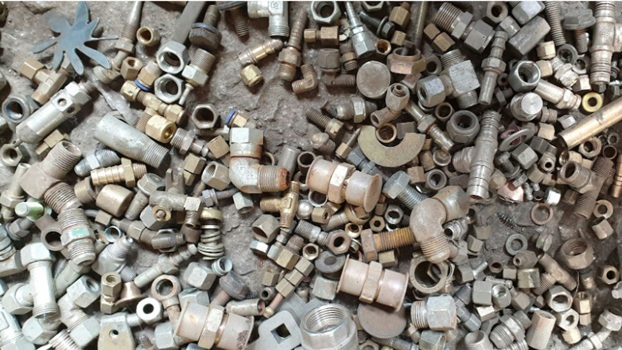
Selecting the right pipe fittings can make or break your plumbing or industrial project. The wrong choice leads to leaks, system failures, and costly repairs down the line.
Whether you’re working on a residential plumbing job or a large-scale industrial installation, understanding your options is crucial. This guide will help you navigate the selection process with confidence.
Understanding Pipe Fittings
Pipe fittings are components used to connect, terminate, or change the direction of piping systems. They serve as the joints that hold your entire system together.
These small components play a massive role in system integrity. A single faulty fitting can compromise an entire installation.
Fittings come in various shapes, sizes, and materials to suit different applications. Knowing which type to use requires understanding your project’s specific requirements.
Types of Pipe Fittings
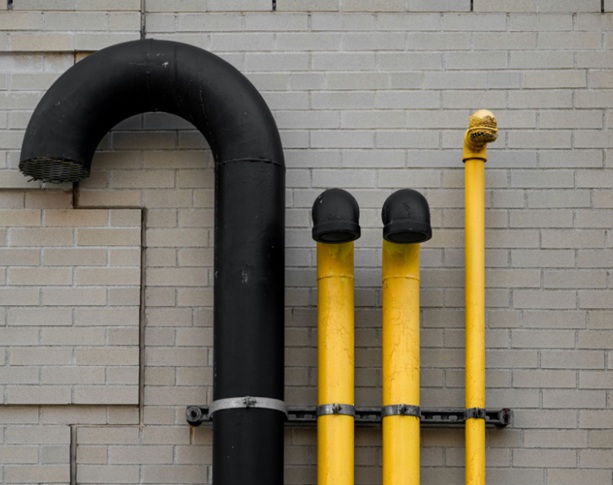
The market offers numerous fitting types, each designed for specific purposes. Familiarising yourself with the main categories helps narrow down your options.
Elbows
Elbows change the direction of flow within a piping system. They typically come in 45-degree and 90-degree angles.
These fittings are essential when navigating around obstacles or corners. Choose the angle that creates the smoothest flow path for your application.
Tees
Tee fittings create branch connections in your piping system. They allow you to split or combine flows from multiple directions.
Standard tees have equal-sized outlets on all three ends. Reducing tees feature different-sized outlets to accommodate varying pipe diameters.
Couplings
Couplings join two pipes of the same diameter together. They provide a simple, straightforward connection method.
Some couplings are designed for permanent connections, while others allow for easy disconnection. Choose based on whether you’ll need to disassemble the connection later.
Reducers
Reducers connect pipes of different diameters. They allow smooth transitions between larger and smaller pipe sizes.
Concentric reducers maintain a common centreline between pipes. Eccentric reducers offset the centreline, which helps prevent air pockets in horizontal installations.
Unions
Unions provide easy disconnection points within a piping system. They’re invaluable for maintenance and repair access.
These fittings consist of three pieces that thread together. Loosening the central nut allows separation without disturbing the surrounding pipework.
Caps and Plugs
Caps and plugs seal the ends of pipes. Caps fit over the outside of a pipe, while plugs insert into the pipe’s interior.
Use these fittings to terminate dead-end runs or close off unused outlets. They’re also useful for pressure testing before system completion.
Thread Standards Matter
Thread compatibility is critical when selecting pipe fittings. Mismatched threads result in leaks and connection failures.
BSP Thread Standard
British Standard Pipe (BSP) threads are widely used in Australia, Europe, and many other regions. This standard comes in two variants: parallel (BSPP) and tapered (BSPT).
For Australian projects, BSP threaded fittings are typically the go-to choice. They offer reliable connections and broad compatibility with local plumbing systems.
NPT Thread Standard
National Pipe Thread (NPT) is the standard used primarily in North America. These tapered threads create seals through thread deformation.
NPT and BSP threads are not interchangeable despite appearing similar. Always verify the thread standard before purchasing fittings for your project.
Metric Threads
Metric threaded fittings follow ISO standards and are common in European equipment. They’re identified by their diameter and pitch measurements in millimetres.
Mixing metric fittings with imperial systems requires adapters. Ensure you have the correct transition fittings when working with mixed standards.
Choosing the Right Material
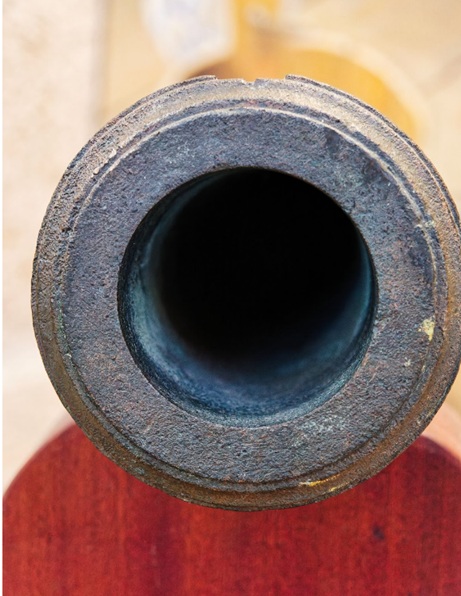
Fitting material affects durability, corrosion resistance, and application suitability. Your operating environment dictates the best material choice.
Stainless Steel
Stainless steel fittings offer exceptional corrosion resistance and strength. They’re ideal for harsh environments and applications requiring hygiene.
These fittings withstand high temperatures and pressures reliably. Food processing, pharmaceutical, and marine applications commonly specify stainless steel.
Brass
Brass fittings provide good corrosion resistance at a lower cost than stainless steel. They work well in potable water and general plumbing applications.
The material machines easily, allowing precise thread cutting. However, brass may not suit highly corrosive or high-temperature environments.
Carbon Steel
Carbon steel fittings offer high strength and pressure ratings. They’re common in industrial and oil, and gas applications.
These fittings require protective coatings to prevent rust. Galvanised or painted options extend service life in corrosive conditions.
PVC and CPVC
Plastic fittings suit low-pressure, non-critical applications. They resist corrosion and chemical attack effectively.
PVC works for cold water applications, while CPVC handles higher temperatures. Neither material suits high-pressure or structural applications.
Copper
Copper fittings are traditional choices for residential plumbing. They offer excellent corrosion resistance and antimicrobial properties.
These fittings typically connect through soldering or compression methods. Copper remains popular despite the growth of alternative materials.
Pressure and Temperature Ratings
Every fitting has maximum pressure and temperature limits. Exceeding these ratings risks catastrophic failure.
Check the manufacturer’s specifications for each fitting you select. Ensure ratings exceed your system’s maximum operating conditions with an appropriate safety margin.
Temperature affects material strength and seal integrity. High-temperature applications require fittings specifically rated for thermal stress.
Sizing Considerations
Proper sizing ensures adequate flow and system performance. Undersized fittings create restrictions and pressure drops.
Nominal pipe size (NPS) or diameter nominal (DN) identifies fitting sizes. Match fittings precisely to your pipe dimensions for proper connections.
Consider future expansion when sizing your system. Slightly oversized fittings may accommodate increased capacity later.
Connection Methods
Different fittings use various connection methods. Choose based on your tools, skills, and application requirements.
Threaded Connections
Threaded fittings screw together for mechanical joining. They allow disassembly but require proper sealing with tape or compound.
Welded Connections
Welded fittings create permanent, high-strength joints. They’re essential for high-pressure and critical applications.
Compression Fittings
Compression fittings use ferrules to create seals without special tools. They’re convenient for repairs and modifications.
Push-Fit Connections
Push-fit fittings snap onto pipes without tools or soldering. They speed installation but may not suit all applications.
Application-Specific Considerations
Different industries have unique fitting requirements. Understanding your application’s demands guides proper selection.
Potable Water Systems
Water supply fittings must meet health and safety certifications. Use only approved materials that won’t contaminate drinking water.
Gas Systems
Gas fittings require specific approvals and installation methods. Never substitute standard plumbing fittings in gas applications.
Industrial Processes
Industrial applications may involve corrosive chemicals or extreme conditions. Specify fittings rated for your specific process media.
Hydraulic Systems
Hydraulic fittings must withstand high pressures and vibration. Use only components designed for hydraulic service.
Quality and Certification
Cheap fittings often cost more in the long run. Failures, leaks, and replacements quickly exceed initial savings.
Purchase fittings from reputable manufacturers with proper certifications. Look for standards compliance markings on all components.
Documentation matters for commercial and industrial projects. Maintain records of fitting specifications and certifications for compliance purposes.
Conclusion
Choosing the right pipe fittings requires careful consideration of multiple factors. Material, size, thread standard, and pressure ratings all influence your decision.
Take time to assess your project’s specific requirements before purchasing. Consulting with suppliers or engineers helps ensure correct selection.
Quality fittings installed correctly provide years of reliable service. The investment in proper components pays dividends through reduced maintenance and system longevity.
Your piping system is only as strong as its weakest connection. Make every fitting count by choosing wisely for your application.