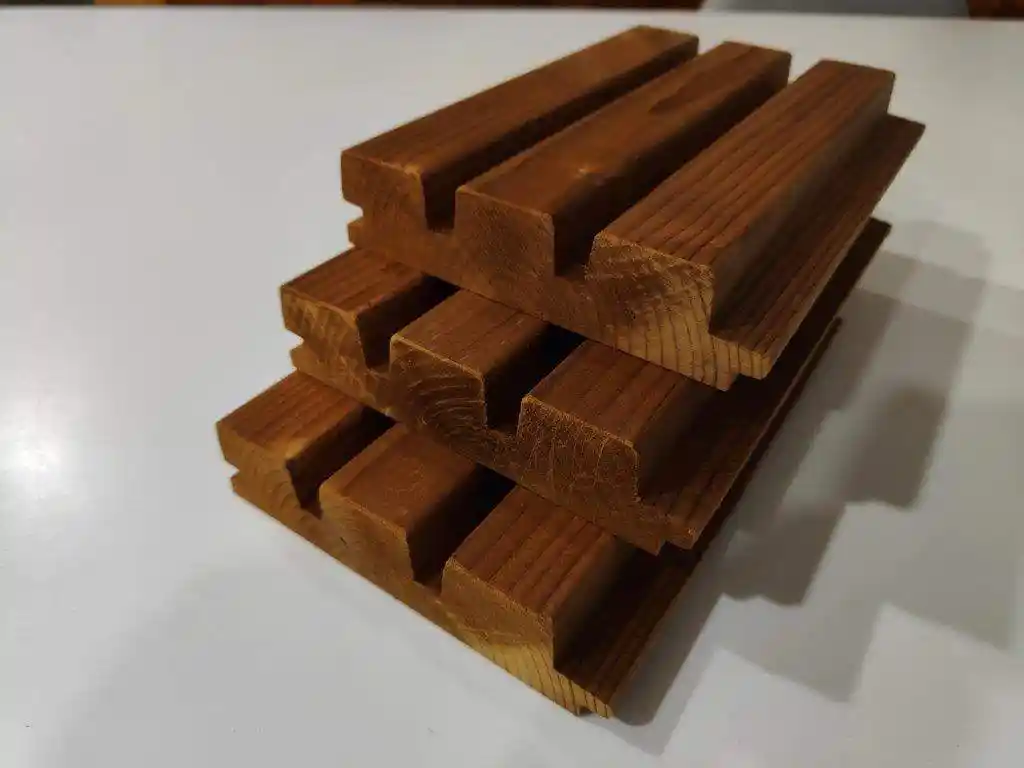
The demand for sustainable and energy-efficient construction materials is reshaping the modern built environment. As architects and developers look to meet stricter carbon reduction targets, ThermoWood has emerged as a standout performer. This thermally modified timber delivers exceptional durability, dimensional stability, and a refined finish—making it ideal for facades, decking, and architectural detailing in both commercial and residential projects. Many architects also specify ThermoPine for lighter colour options and cost-effective sustainability.
ThermoWood is created through an advanced heat-treatment process that uses only heat and steam—no chemicals or synthetic additives. This process modifies the cellular structure of softwood, reducing its moisture content and improving its resistance to decay and warping. The result is a product that performs like hardwood but retains the light weight and easy workability of pine. Its natural appeal and minimal maintenance needs make it an increasingly popular choice for sustainable architecture worldwide. ThermoPine, derived from the same thermal modification technology, offers similar stability and rich tone with slightly softer grain, making it ideal for residential façades.
When used as ThermoWood Cladding, the material provides a stable, long-lasting envelope that helps regulate building performance. By reducing moisture absorption and improving thermal insulation, ThermoWood contributes to more consistent indoor climates and lower energy demands—key considerations in achieving sustainable building certifications such as BREEAM and LEED.
Another major advantage of ThermoWood is its versatility in design. Its smooth texture and warm brown tone can complement both traditional and contemporary structures. The wood can also be finished with natural oils, stains, or left untreated to weather gracefully into a soft silver-grey patina. This flexibility allows architects to achieve diverse aesthetic goals while maintaining environmental integrity.
For structures that require higher levels of protection, combining ThermoWood with modern safety technologies delivers even greater performance. Timber Cladding Specialists supply fully treated Fire Rated Cladding systems that achieve Euroclass B-s1,d0 ratings under UK and EU testing standards. These products provide superior flame resistance and low smoke development, ensuring that design innovation never comes at the expense of safety.
Beyond fire resistance, architectural interest in alternative finishes such as charred timber is rising rapidly. The Japanese-inspired technique of Shou Sugi Ban wood introduces a distinctive blackened surface that is both striking and durable. By charring the timber’s outer layer, a protective carbon shell forms that resists insects, moisture, and UV exposure. This finish pairs beautifully with ThermoWood elements, creating contrast and depth in contemporary facades. Many architects also specify ThermoPine for lighter colour options and cost-effective sustainability.
ThermoWood and other advanced timber systems align with the growing move toward circular construction models. Unlike composite or PVC-based materials, timber stores carbon throughout its life cycle and can be reused, repurposed, or safely recycled. This low environmental impact supports long-term sustainability goals while reducing waste and dependency on energy-intensive building products.
Energy performance also plays a critical role in today’s building standards. Timber cladding acts as a natural thermal buffer, reducing thermal bridging and improving envelope efficiency. When combined with modern insulation and ventilated rainscreen designs, ThermoWood contributes to enhanced building performance and long-term comfort for occupants.
Ultimately, ThermoWood demonstrates how innovation and sustainability can coexist. Its natural durability, consistent performance, and design adaptability make it one of the most advanced timber materials available to the construction industry today. From large commercial developments to small residential extensions, its ability to deliver beauty and longevity makes it a cornerstone of future-ready architecture.
To explore available profiles, performance certifications, or obtain detailed quotations, visit the Request a Quote at Timber Cladding Specialists. Their team provides tailored solutions for architects, contractors, and developers seeking the best in sustainable and fire-safe timber design.