If you’re running a farm or managing agricultural property, you know that every dollar counts. Construction costs have been climbing steadily, and building new structures can feel like a major financial burden. But here’s the good news: with smart planning and the right approach, you can create durable, functional buildings without breaking the bank.
This article walks you through practical, budget-friendly solutions that don’t compromise on quality. Whether you’re planning storage facilities, equipment sheds, or livestock housing, these strategies will help you make informed decisions that protect your investment for years to come.
Understanding Budget Constraints in Agricultural Construction
Let’s be honest—building on a farm isn’t cheap. But understanding where your money goes is the first step toward controlling costs.
Factors Influencing Project Costs
Several elements impact your bottom line. Material prices fluctuate based on market conditions and availability in your region. Labor costs vary significantly depending on where you’re located and the complexity of your project. Site preparation can also surprise you—what looks like flat ground might need extensive work for proper drainage or leveling.
Don’t forget about permits and compliance requirements. While these might seem like bureaucratic hurdles, they protect your investment by ensuring your structure meets safety standards. Factor these costs into your initial budget to avoid unpleasant surprises down the road.
Long-Term Value vs. Initial Investment
Here’s where many property owners make a critical mistake: focusing solely on upfront costs. A cheaper building that requires constant repairs will drain your wallet faster than a quality structure with a higher initial price tag.
Think about energy efficiency, too. Proper insulation and ventilation might cost more initially, but they reduce heating and cooling expenses year after year. In agricultural settings where buildings endure harsh weather, extreme temperatures, and heavy use, durability directly translates to savings. Calculate your return on investment over a decade, not just the first year.
Material Selection Strategies for Affordability
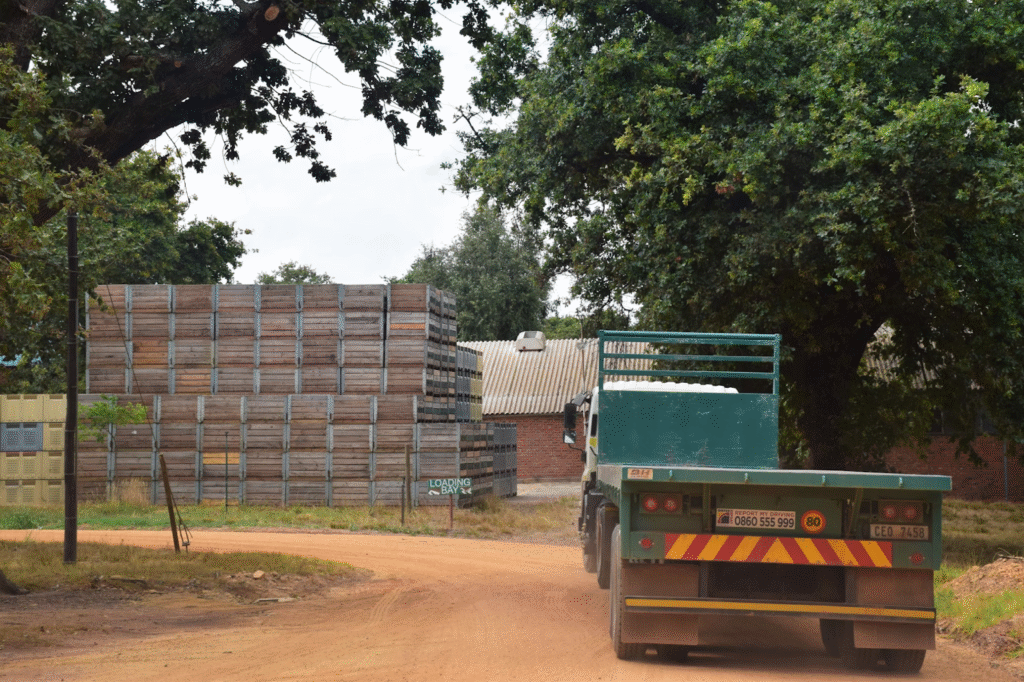
Source: https://unsplash.com/photos/a-green-truck-driving-down-a-dirt-road-L_gFdUHESeU
Choosing the right materials makes all the difference between a budget-friendly project and a money pit.
Steel Framework Advantages
Steel has become increasingly popular in agricultural construction, and for good reason. While the initial cost might seem higher than wood, steel’s longevity eliminates the need for frequent repairs or replacement. It doesn’t warp, rot, or attract pests—common problems with traditional materials.
Prefabricated steel components arrive ready to assemble, which dramatically reduces labor costs. You’re not paying workers to measure, cut, and fit materials on-site. Galvanized steel adds another layer of protection against rust and corrosion, essential when your building faces rain, snow, and humidity.
Modern steel structures work exceptionally well for various agricultural needs. When planning protective structures for livestock, such as a horse shelter, steel frameworks provide the durability and weather resistance necessary for animal safety while keeping maintenance requirements minimal. The open-span designs possible with steel eliminate the need for internal support columns, giving you maximum usable space.
Alternative Building Materials
Don’t overlook other cost-saving material options. Locally sourced materials reduce transportation expenses and often come with lower price tags. Some farmers successfully incorporate recycled components—reclaimed wood, metal roofing panels, or concrete blocks—into their buildings.
Hybrid construction approaches can also stretch your budget. Maybe you use steel for the main framework but choose less expensive materials for non-structural elements. The key is matching material quality to its specific purpose. Your roof needs premium protection, but interior partition walls might work fine with standard materials.
Design Approaches That Reduce Construction Expenses
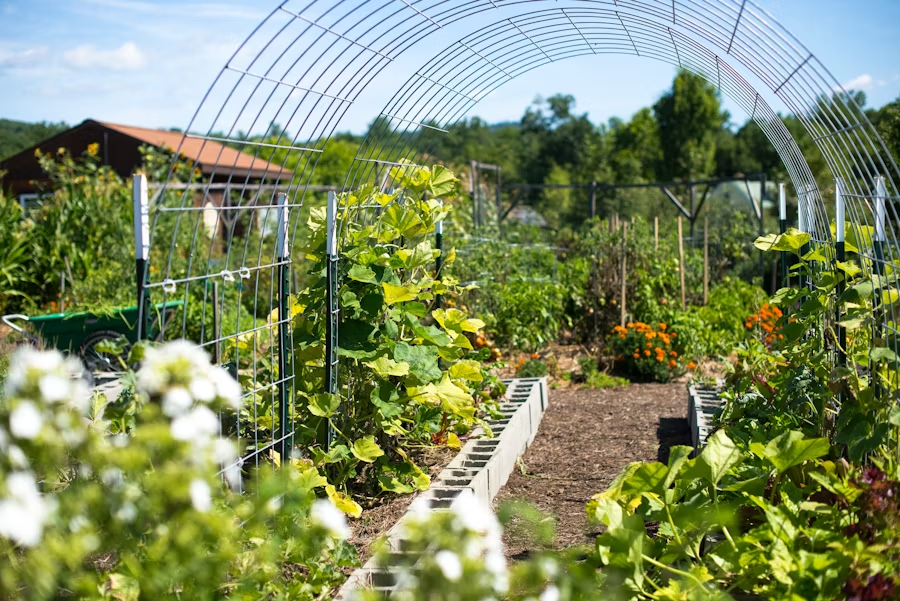
Source: https://unsplash.com/photos/green-plants-on-garden-during-daytime-LV7kkHh8gk4
Smart design choices impact your budget as much as material selection.
Simplified Structural Layouts
Complicated designs cost more—it’s that simple. Open-floor plans with minimal interior walls reduce material needs and construction time. Rectangular buildings are more economical than complex shapes because they minimize waste during cutting and fitting.
Standardized dimensions work in your favor, too. Materials come in standard sizes, so designing around these dimensions means less cutting, less waste, and lower costs. A building that’s 30 feet wide uses materials more efficiently than one that’s 27 feet wide.
Consider multi-purpose designs that adapt to changing needs. A structure with movable partitions can serve different functions over time without requiring new construction. Plan for future expansion by designing in phases—build what you need now, with easy additions possible later.
Prefabricated and Modular Options
Prefabricated buildings deserve serious consideration. They’re manufactured in controlled environments where efficiency and quality control are maximized. You avoid weather delays, and construction happens faster than traditional methods.
Assembly is straightforward enough that you might handle some of it yourself, further reducing labor costs. Many prefabricated options offer customization within their standard frameworks, so you’re not sacrificing functionality for affordability.
Transportation and site requirements are important considerations. Ensure your property has adequate access for delivery trucks and equipment. A clear, level assembly area speeds up the process and reduces complications.
Site Preparation and Foundation Considerations
Source: https://unsplash.com/photos/a-house-in-a-field-t6dvkBs-GRk
Your building is only as good as what’s underneath it.
Minimizing Earthwork Requirements
Choose your building site carefully. Selecting naturally level ground with good drainage eliminates expensive earthwork. Walk your property and identify areas that already meet most requirements.
Conduct a basic soil assessment before committing to a location. Some soil types require more extensive foundation work than others. Sandy, well-draining soil is ideal, while clay or rocky soil might need additional preparation.
Plan equipment access from the start. Construction crews need room to maneuver, and you’ll want easy access for future maintenance. Poor access increases labor time and costs.
Utility Infrastructure Planning
Think through your utility needs before breaking ground. Running electrical lines, water supply, and drainage systems after construction is expensive. Even if you don’t need full utilities immediately, installing conduit or rough plumbing during construction gives you affordable options later.
Position your building with future expansion in mind. Leave room for additional structures or utility connections. This forward thinking prevents expensive retrofitting down the road.
Maintenance and Lifecycle Cost Management
Building smart includes planning for ongoing care.
Preventive Maintenance Programs
Regular inspections catch small problems before they become expensive repairs. Walk around your buildings seasonally, looking for loose fasteners, damaged panels, or drainage issues. A tube of sealant costs a few dollars today but prevents thousands in water damage tomorrow.
Keep your weatherproofing maintained. Check roof seals, door thresholds, and window caulking annually. Ensure ventilation systems remain clear and functional—proper airflow prevents moisture buildup that leads to deterioration.
Document everything. Keep records of construction details, material specifications, and warranty information. When repairs are needed, this information helps you find correct replacement parts quickly and affordably.
Designing for Easy Repairs
Some designs make maintenance simpler. Accessible roof panels allow easy inspection and repair. Standardized components mean replacement parts are readily available rather than requiring custom fabrication.
Include DIY-friendly features where appropriate. Not every repair requires professional help, and doing simple maintenance yourself saves money. Choose fastener types and connection methods that work with common tools.
Conclusion
Building cost-effectively on agricultural property requires balancing immediate expenses with long-term value. Focus on durable materials like steel that minimize maintenance, embrace simplified designs that reduce construction complexity, and plan your site preparation carefully to avoid expensive surprises.
Remember that the cheapest option today might not be the most economical over time. Invest in quality where it matters—foundations, structural integrity, and weather protection—while economizing on less critical elements. With thoughtful planning and smart material choices, you can create functional, durable agricultural buildings that serve your needs without straining your budget.
FAQs
What is the most cost-effective foundation type for agricultural buildings?
For most agricultural structures, concrete pier foundations offer the best balance of affordability and performance. They work well in various soil conditions, require less concrete than slab foundations, and provide adequate support for steel-framed buildings. In stable soil with good drainage, gravel pads can be even more economical for lighter structures.
How much can prefabricated structures save compared to traditional construction?
Prefabricated agricultural buildings typically cost 20-40% less than traditional construction methods. You save on labor (construction happens faster), materials (less waste), and time (weather doesn’t delay manufacturing). Assembly usually takes days rather than weeks, which also reduces labor expenses considerably.
Can agricultural buildings be expanded affordably in the future?
Yes, if you plan for it during initial design. Modular construction approaches allow straightforward additions. Choose end-wall designs that can be removed or modified easily. Leave adequate space around your building for expansion, and consider utility infrastructure that can accommodate increased capacity. Steel-framed buildings particularly lend themselves to cost-effective expansion.
What permits are typically required for agricultural construction projects?
Most agricultural buildings require building permits, especially if they exceed certain size thresholds or include electrical or plumbing systems. Requirements vary by location, but expect to submit site plans, structural details, and intended use information. Agricultural exemptions may apply in some areas for certain structure types. Check with your local building department early in the planning process to understand specific requirements and avoid delays.